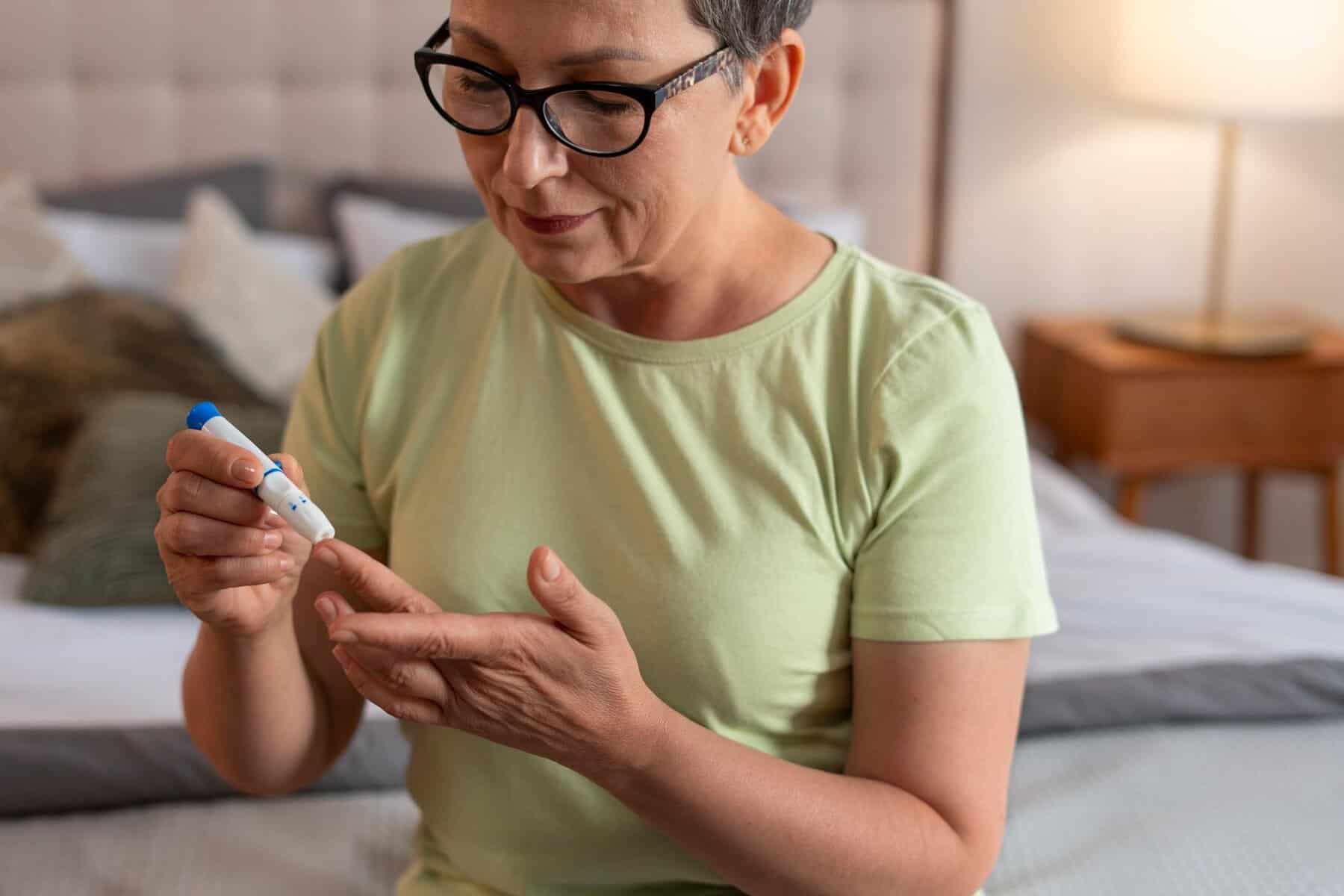
Many people have become more proactive about monitoring their health, particularly since the pandemic. Technology has stepped in to meet this demand. At-home health diagnostics, particularly blood tests, have surged in popularity thanks to their convenience, privacy and speed. But how exactly do these tests work, and what can you trust them to tell you?
Let’s explore the growing world of at-home blood testing kits and what they can offer, as well as where they may fall short.
How Do At-Home Blood Tests Work?
At-home blood test kits are designed to make routine health checks more accessible. Most kits involve collecting a small sample of blood (either via a finger-prick or a larger volume drawn through a home phlebotomy service) which is then sent to an accredited lab for analysis. Once your sample is tested, results are delivered digitally, often through secure online dashboards or app-based platforms.
Finger-Prick vs Full Blood Collection
The most common method for home testing is a finger-prick, where a small lancet is used to draw a few drops of blood. While suitable for many routine checks, finger-prick samples are limited in volume and may not support more detailed analysis. Full blood collection, typically arranged via a home visit from a trained professional, offers a broader testing scope but may not be necessary for everyone.
Sending Samples to Accredited Labs
Once your sample is collected, you package it using the materials provided and post it to a certified laboratory. These labs are held to strict standards, and many offer results within 24–72 hours. Interpretation is usually provided through a secure platform, sometimes with health dashboards, explanations and follow-up recommendations; though this can vary between providers.
What Can You Test for at Home?
The most common health markers and conditions covered by at home blood testing:
General Health – Cholesterol, Blood Sugar, Iron, Thyroid
These tests assess key indicators of your general wellbeing. High cholesterol or blood sugar levels, for example, can flag cardiovascular or metabolic concerns. Iron and thyroid tests are also important for identifying anaemia or hormonal imbalances that may cause fatigue, weight changes or mood disturbances.
Hormonal Profiles – Testosterone, Oestrogen, Cortisol
Hormone levels influence everything from energy to fertility. Home tests can assess oestrogen, progesterone or testosterone for reproductive health, while cortisol checks can highlight stress-related imbalances. These tests are popular among people tracking cycle patterns, menopause or fatigue.
Sexual Health – STIs, HIV, Hepatitis B & C
Discreet, at-home testing for sexually transmitted infections (STIs) offers privacy and reassurance. Many kits test for chlamydia, gonorrhoea, HIV, syphilis and hepatitis. Some require blood samples, others include swabs. Results can help ensure early treatment if needed.
Allergy and Food Sensitivity Panels
While not diagnostic in a clinical sense, these tests can highlight IgE or IgG reactions that might suggest sensitivities to certain foods or environmental allergens. This can be a starting point for discussing symptoms like bloating, skin flare-ups or headaches with a clinician.
Vitamin Deficiencies – B12, D, Folate
Low levels of key vitamins are surprisingly common, especially B12 and D. These nutrients play vital roles in immune function, energy production and neurological health. Home blood tests can spot deficiencies early, supporting timely dietary or supplement changes.

Benefits of At-Home Testing Kits
Privacy and Discretion
At-home kits allow you to manage personal or sensitive health checks without the potential discomfort or embarrassment of clinic visits. This is particularly useful for STI testing or hormone profiling.
No Appointment or Waiting Time
There’s no need to book GP appointments or take time off work. Simply order your kit, collect your sample at a time that suits you and send it off – all from the comfort of your own home.
Track Health from Home Over Time
Regular testing can help you monitor chronic conditions or track progress with lifestyle changes. Some platforms offer dashboards to visualise trends in your health over time.
Limitations and Considerations
Balancing the benefits with an honest look at the drawbacks:
Sample Handling and Accuracy Risks
While most labs are highly accurate, the quality of results depends on how the sample is collected, stored and shipped. Improper handling can affect results, particularly with finger-prick kits.
Potential for Misinterpretation Without Clinical Support
Not all services offer follow-up advice or access to clinicians. This can lead to confusion or anxiety if results are abnormal. Understanding your results in context is crucial.
Not Suitable for Emergency or Complex Diagnostics
If you’re unwell or experiencing symptoms that are severe or rapidly worsening, at-home tests are not appropriate. You should always seek immediate medical attention when needed.
When to Follow Up with a Healthcare Professional
Blood test results are only one part of the picture. They should lead to meaningful action when necessary.
Abnormal Results or Unexplained Symptoms
If your test flags anything out of range, or if you’re still experiencing symptoms like fatigue, pain or weight changes, it’s important to speak to a healthcare professional who can investigate further.
Using Results to Inform GP Visits or Lifestyle Changes
Your results can provide a useful starting point for conversations with your GP, whether that’s adjusting medication, exploring new symptoms or making informed changes to your diet, exercise or supplements.
Choosing a Reliable At-Home Testing Provider
Not all blood testing providers are equal. Look for services partnered with UKAS-accredited laboratories and healthcare professionals. Transparent pricing, clear result turnaround times and access to clinical advice are all markers of a trustworthy provider. Independent reviews can also offer helpful insight.
Empowering Health Monitoring at Home
At-home blood testing isn’t a replacement for your doctor, but it can be a valuable tool for managing your health on your terms. Whether you’re checking your vitamin levels, managing a known condition or simply staying proactive, these tests offer greater autonomy and insight.
If you’re ready to take a step towards convenient, patient-led health monitoring, The Forbury Clinic offers a range of reliable, consultant-backed at-home blood testing options. Get in touch today for more details.