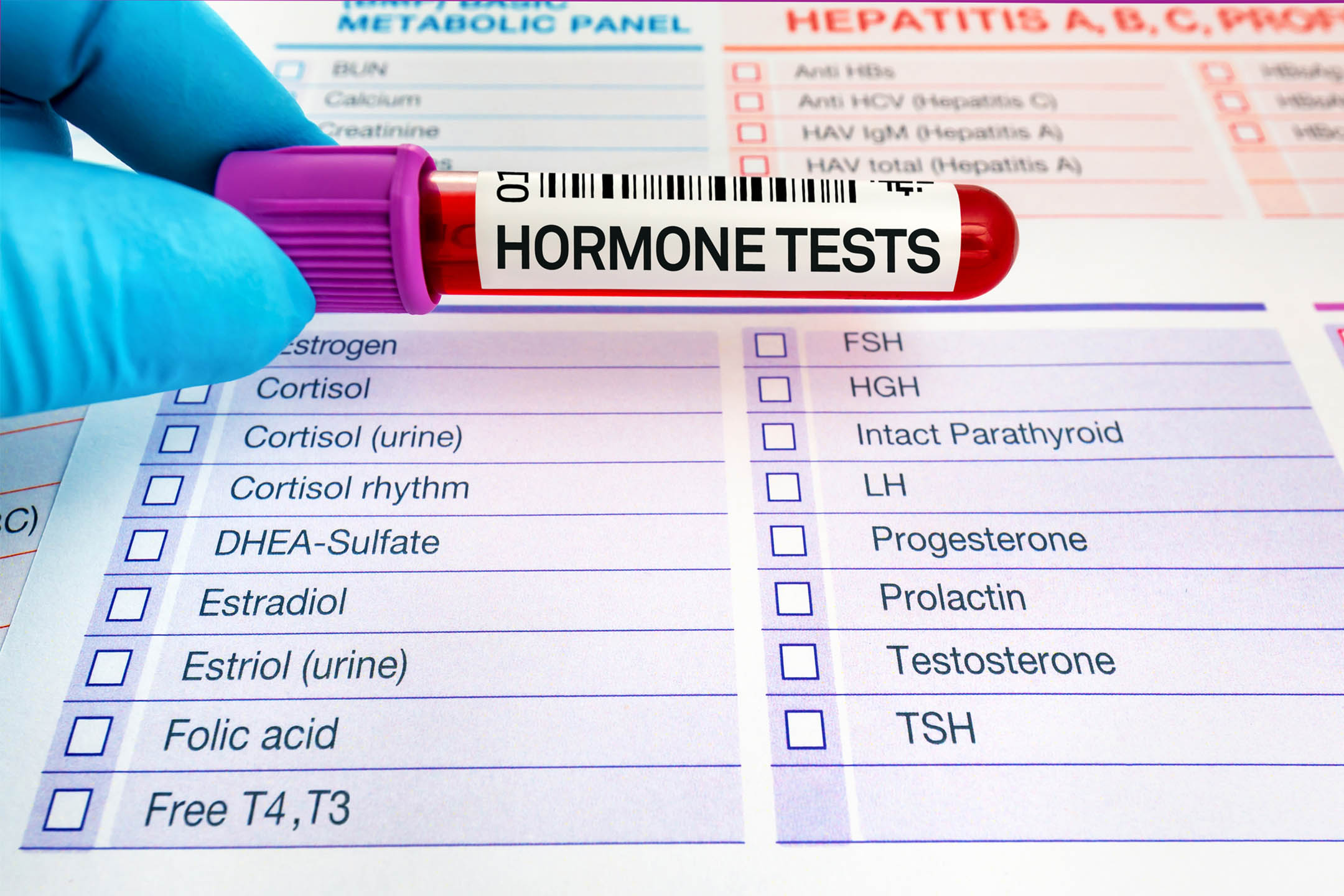
Hormone level testing helps with understanding unexplained symptoms and identifying underlying health conditions. Hormones influence nearly every system in the body, from energy levels and mood to weight regulation and reproductive health. When levels shift outside their optimal range, symptoms can appear gradually and may be difficult to attribute to a single cause without proper testing.
For many people, hormone level testing provides clarity. It allows clinicians to move beyond guesswork and develop a targeted plan based on measurable results rather than assumptions.
What Hormones Are and Why They Matter
Hormones are chemical messengers produced by specialised glands. They travel through the bloodstream to tissues and organs, regulating growth, metabolism, mood, sleep, appetite, reproduction, and stress response. Even small changes in hormone levels can significantly affect how you feel and function on a daily basis.
The endocrine system is the network responsible for producing and regulating hormones. Key glands include the pituitary gland, often referred to as the master gland. It coordinates hormone release throughout the body. The thyroid gland controls metabolic rate. The adrenal glands manage stress hormones such as cortisol. The ovaries or testes regulate reproductive hormones. Because these glands work in a finely balanced system, even small disruptions can influence multiple body systems at once.
Why Doctors Recommend Hormone Testing
Hormone level testing is recommended when symptoms suggest an imbalance or when long‑term monitoring is required. Testing provides objective data to support diagnosis and guide appropriate treatment decisions.
Unexplained Symptoms
Persistent fatigue, unexplained weight change, low mood, hair thinning, irregular periods, low libido, or sleep disturbance may all indicate hormonal imbalance. In such cases, a hormone blood test UK service can help identify whether thyroid, reproductive, or adrenal hormones are contributing to symptoms.
Fertility and Reproductive Health
Hormone testing is central to fertility assessments. It helps evaluate ovulation, ovarian reserve, and cycle regularity. A menopause hormone test may be recommended when women experience hot flushes, night sweats, or cycle changes. Testing oestrogen levels and progesterone supports assessment of perimenopause and menopause transition.
Long Term Health Monitoring
Hormone testing is also used to screen for thyroid disorders, adrenal dysfunction, and metabolic concerns. A thyroid function test can detect early signs of hypothyroidism or hyperthyroidism, even before symptoms become severe. Monitoring hormone levels over time helps ensure treatment remains effective.
Common Hormone Tests and What They Show
Different hormones require different types of testing depending on the suspected condition. A clinician will select tests based on your symptoms, medical history, and clinical findings.
Thyroid Hormone Tests
Thyroid hormone testing usually includes TSH (thyroid stimulating hormone), T3, and T4. TSH indicates how hard the pituitary gland is working to stimulate the thyroid. Abnormal results may suggest hypothyroidism, where the thyroid is underactive, or hyperthyroidism, where it is overactive. A thyroid function test helps guide treatment and monitor response to medication.
Oestrogen and Progesterone
Oestrogen levels and progesterone regulate the menstrual cycle and play a key role in bone health and cardiovascular protection. Fluctuations are common during perimenopause. A menopause hormone test may assess these hormones alongside follicle stimulating hormone to confirm menopausal transition.
Testosterone
Testosterone is important in both women and men. In men, it supports muscle mass, libido, and energy levels. In women, smaller amounts contribute to sexual function and overall wellbeing. A testosterone test for women may be performed in cases of irregular cycles, excess hair growth, or suspected Polycystic Ovary Syndrome. Abnormal levels can affect mood, metabolism, and reproductive health.
Cortisol
Cortisol is produced by the adrenal glands and reflects the body’s stress response. A cortisol test can help evaluate suspected adrenal dysfunction. Abnormal cortisol levels may be linked to fatigue, weight changes, sleep disturbance, or blood pressure concerns.
Prolactin and Pituitary Hormones
Prolactin is a hormone produced by the pituitary gland. Elevated prolactin can disrupt menstrual cycles and fertility. Other pituitary hormones may be assessed when symptoms suggest possible gland imbalance or when multiple hormone pathways appear affected.
How Hormone Testing Is Carried Out
Hormone level testing is most commonly performed using blood samples analysed in a laboratory. A hormone blood test service typically involves a simple blood draw, often taken in the morning when certain hormones are most stable. For women, timing within the menstrual cycle may be important when assessing oestrogen levels or progesterone.
In some cases, saliva or urine tests are used. These may help assess cortisol rhythms throughout the day or analyse hormone metabolites. The choice of method depends on the hormone being measured and the clinical question being asked.
Interpreting results requires clinical expertise. Hormone levels vary according to age, sex, time of day, and life stage. Results must be assessed alongside symptoms, medical history, and any current medications to avoid overdiagnosis or unnecessary treatment.
What Hormone Imbalances Can Reveal
Hormone testing often uncovers underlying conditions that may not be obvious from symptoms alone. Identifying imbalances early supports timely intervention and reduces long‑term health risks.
Thyroid Disorders
Thyroid imbalances can slow or accelerate metabolism. Hypothyroidism may cause weight gain, fatigue, dry skin, and low mood. Hyperthyroidism can lead to weight loss, palpitations, and anxiety. A thyroid function test confirms diagnosis and guides safe treatment.
Perimenopause and Menopause
Fluctuating oestrogen levels during perimenopause may lead to irregular cycles, mood changes, hot flushes, and sleep disruption. A menopause hormone test can clarify whether symptoms relate to hormonal transition and inform management options.
Adrenal Dysfunction
Prolonged stress may disrupt cortisol balance. Abnormal cortisol levels can contribute to fatigue, sleep disturbance, and changes in blood pressure or weight. A cortisol test helps assess adrenal function and guide further investigation where necessary.
Metabolic and Bone Health Risks
Hormonal imbalance can influence insulin sensitivity, cholesterol levels, and bone density. Low oestrogen levels increase the risk of osteoporosis. Thyroid dysfunction can also affect bone health. Early identification supports preventative care and targeted treatment.
When to Seek Specialist Advice
Persistent or severe symptoms should always prompt medical assessment. Self‑diagnosis using online information or unregulated testing kits can lead to confusion or inappropriate treatment. A structured clinical review ensures testing is relevant and interpreted correctly.
In the UK, hormone blood test services are available through both NHS and private pathways. Private hormone level testing may offer faster access and more comprehensive panels, particularly when symptoms are complex. Referral may be made to endocrinology, gynaecology, or a specialist clinic depending on findings and individual needs.
Testing Provides Clarity
Hormone level testing provides valuable insight into unexplained symptoms and supports personalised treatment planning. When interpreted correctly by a clinician, results help identify underlying causes and guide evidence‑based management.
If you are experiencing symptoms that may be linked to hormonal imbalance, contact The Forbury Clinic to arrange specialist hormone level testing and receive clear, clinically guided next steps.