
Blood tests can offer essential insights into your health – from routine screenings to understanding a recent diagnosis. But for many patients, interpreting those results can feel overwhelming. This guide breaks down what common blood tests mean, why results vary, and how to talk to your GP about any queries or concerns. If you’ve recently had blood tests in Reading, or are planning to book a blood test soon, this guide provides everything you need to know about your results.
Why Interpreting Blood Tests Can Be Confusing
Medical jargon, unfamiliar abbreviations and technical terms can make blood test results difficult to understand. Most patients receive a printout or online summary showing reference ranges – but knowing what’s “normal” isn’t always straightforward.
Results may be grouped into panels such as Full Blood Count (FBC), Liver Function Tests (LFTs) or Lipid Profiles. Each panel covers a set of markers related to specific organs or systems. A single result falling outside the expected range isn’t always cause for concern. In many cases, results normalise without intervention.
Key Blood Tests: What They Reveal and How to Understand the Results
Full Blood Count reference ranges and what results mean
A full blood count is sometimes called a complete blood count, or simply FBC or CBC. It measures red cells, white cells and platelets to help explain symptoms such as tiredness, infections or easy bruising. Reference ranges differ slightly by laboratory, age and sex, so always interpret results in clinical context.
| Test | Normal Range (Adults) | High Result May Indicate | Low Result May Indicate |
|---|---|---|---|
| Haemoglobin (Hb) | Men: 130–180 g/L Women: 115–165 g/L |
Dehydration, smoking, lung disease, bone marrow disorders (polycythaemia) | Anaemia (iron, B12, folate deficiency), blood loss, chronic disease |
| Red Blood Cell Count (RBC) | Men: 4.7–6.1 ×10¹²/L Women: 4.2–5.4 ×10¹²/L |
Polycythaemia, dehydration, low oxygen levels (chronic lung disease, high altitude) | Anaemia, bone marrow failure, blood loss |
| Haematocrit (Hct / PCV) | Men: 0.40–0.54 Women: 0.36–0.47 |
Dehydration, polycythaemia | Anaemia, overhydration, bleeding |
| Mean Corpuscular Volume (MCV) | 80–100 fL | Vitamin B12 or folate deficiency (macrocytic anaemia) | Iron deficiency, thalassaemia (microcytic anaemia) |
| Mean Corpuscular Haemoglobin (MCH) | 27–32 pg | Macrocytic anaemia, high reticulocyte count | Microcytic anaemia, iron deficiency |
| Mean Corpuscular Hb Concentration (MCHC) | 320–360 g/L | Rare, may suggest spherocytosis | Iron deficiency, thalassaemia |
| White Blood Cell Count (WBC) | 4.0–11.0 ×10⁹/L | Infection, inflammation, leukaemia, stress, steroids | Bone marrow failure, viral infections, autoimmune disease |
| Neutrophils | 2.0–7.5 ×10⁹/L | Bacterial infection, inflammation, steroids, stress | Viral infection, bone marrow disorders, chemotherapy |
| Lymphocytes | 1.0–4.0 ×10⁹/L | Viral infection, some leukaemias, autoimmune disease | HIV/AIDS, steroids, chemotherapy, immunodeficiency |
| Monocytes | 0.2–0.8 ×10⁹/L | Chronic infection (TB), inflammation, leukaemia | Rare: bone marrow suppression |
| Eosinophils | 0.0–0.5 ×10⁹/L | Allergies, asthma, parasitic infections, some cancers | Often not significant |
| Basophils | 0.0–0.1 ×10⁹/L | Allergic reactions, some blood cancers | Not usually significant |
| Platelets (Thrombocytes) | 150–400 ×10⁹/L | Inflammation, infection, iron deficiency, bone marrow disorders | Bleeding disorders, bone marrow failure, chemotherapy, autoimmune destruction (ITP) |
This information is educational. Always seek medical advice about your own results.
Liver Function Tests (LFTs)
Liver Function Tests look at markers such as ALT, AST, ALP and bilirubin. They can help identify liver inflammation, bile flow issues or liver damage due to alcohol, medication or disease.
| Test | Typical Range (Adults) | High Result May Indicate | Low Result May Indicate |
|---|---|---|---|
| ALT | ≈ 7–56 U/L | Hepatocellular injury, viral hepatitis, fatty liver, drug induced liver injury | Usually not clinically significant |
| AST | ≈ 10–40 U/L | Hepatocellular injury, alcohol related liver disease, muscle injury; AST greater than ALT suggests alcohol effect | Usually not clinically significant |
| ALP | ≈ 30–130 U/L | Cholestasis or bile duct obstruction, primary biliary cholangitis, bone disorders, pregnancy, adolescence growth | Malnutrition, hypothyroidism, zinc deficiency, rare genetic causes |
| GGT | Men ≈ 10–71 U/L Women ≈ 6–42 U/L |
Cholestasis, alcohol excess, drug induction, biliary disease; helps confirm hepatic source of raised ALP | Usually not clinically significant |
| Bilirubin total | ≈ 3–21 µmol/L | Prehepatic haemolysis, hepatocellular injury, cholestasis, Gilbert syndrome | Not usually significant |
| Bilirubin conjugated | ≈ 0–7 µmol/L | Cholestasis or impaired excretion, hepatocellular dysfunction | — |
| Albumin | ≈ 35–50 g/L | Dehydration | Chronic liver disease, nephrotic syndrome, malnutrition, inflammation |
| Total protein | ≈ 60–80 g/L | Chronic inflammation, myeloma, dehydration | Malnutrition, liver disease, nephrotic syndrome |
| Albumin to globulin ratio | ≈ 1.0–2.2 | Dehydration | Chronic inflammation, myeloma, advanced liver disease |
This information is educational. Always seek medical advice about your own results.
Kidney Function Tests (U&E, eGFR)
Kidney Function Tests assess urea, creatinine and electrolyte levels. eGFR (estimated Glomerular Filtration Rate) estimates kidney efficiency. These results are key for monitoring hydration, kidney disease and medication effects.
| Test | Typical Range (Adults) | High Result May Indicate | Low Result May Indicate |
|---|---|---|---|
| Urea | ≈ 2.5–7.8 mmol/L | Dehydration, kidney impairment, high protein diet, gastrointestinal bleeding | Liver disease, malnutrition, overhydration |
| Creatinine | Men ≈ 60–110 µmol/L Women ≈ 45–90 µmol/L |
Reduced kidney function, muscle injury, dehydration, certain drugs | Low muscle mass, pregnancy |
| Sodium (Na⁺) | ≈ 135–145 mmol/L | Dehydration, excess salt intake, endocrine disorders (Cushing’s, hyperaldosteronism) | Overhydration, heart failure, SIADH, adrenal insufficiency |
| Potassium (K⁺) | ≈ 3.5–5.0 mmol/L | Kidney failure, medications (ACE inhibitors, potassium-sparing diuretics), tissue breakdown | Diuretics, vomiting, diarrhoea, low intake, Cushing’s syndrome |
| Chloride (Cl⁻) | ≈ 95–105 mmol/L | Dehydration, metabolic acidosis, kidney disease | Vomiting, metabolic alkalosis, overhydration |
| Bicarbonate (HCO₃⁻) | ≈ 22–28 mmol/L | Metabolic alkalosis, compensation for respiratory acidosis | Metabolic acidosis, renal tubular acidosis, chronic kidney disease |
| eGFR | ≥ 90 mL/min/1.73m² (normal) 60–89 (mildly reduced) 30–59 (moderate CKD) < 30 (severe CKD) |
— | Chronic kidney disease, acute kidney injury, progressive renal impairment |
Kidney function tests (urea, electrolytes, creatinine, eGFR) are vital for monitoring hydration, kidney disease and the effects of medication. Reference ranges vary by laboratory. This information is educational. Always seek medical advice about your own results.
Thyroid Function
Thyroid Function Tests usually measure TSH (thyroid stimulating hormone) and T4 (thyroxine). Abnormal levels may point to underactive (hypothyroid) or overactive (hyperthyroid) conditions.
| Test | Typical Range (Adults) | High Result May Indicate | Low Result May Indicate |
|---|---|---|---|
| TSH | ≈ 0.4–4.0 mU/L | Primary hypothyroidism, recovery phase of thyroiditis, under-replacement on levothyroxine | Hyperthyroidism (primary), over-replacement, central hypothyroidism if T4 also low |
| Free T4 | ≈ 9–25 pmol/L | Hyperthyroidism, over-replacement with levothyroxine, thyroiditis early phase | Hypothyroidism, under-replacement, non-thyroidal illness if TSH not raised |
| Free T3 | ≈ 3.5–6.5 pmol/L | T3-toxicosis, hyperthyroidism, over-replacement | Severe hypothyroidism, non-thyroidal illness (low T3 syndrome) |
| Thyroid peroxidase antibodies (TPOAb) | Negative or low titre (assay dependent) | Autoimmune thyroid disease (Hashimoto’s, Graves’), increased risk of hypothyroidism | — |
| Thyroid stimulating immunoglobulins (TSI/TRAb) | Negative (assay dependent) | Graves’ disease activity, risk of neonatal thyrotoxicosis in pregnancy | — |
Thyroid function tests usually include TSH and free T4, sometimes free T3. Abnormal results can indicate underactive or overactive thyroid conditions. Reference ranges vary by laboratory and clinical context matters, especially in pregnancy, severe illness and pituitary disease. This information is educational. Always seek medical advice about your own results.
Lipid Profile (Cholesterol Panel)
Lipid Profile checks levels of HDL (good cholesterol), LDL (bad cholesterol) and triglycerides. It gives a snapshot of cardiovascular risk and helps guide lifestyle or medication changes.
| Test | Typical Target / Range (Adults) | High Result May Indicate | Low Result May Indicate |
|---|---|---|---|
| Total cholesterol | Desirable < 5.0 mmol/L | Increased cardiovascular risk, familial hypercholesterolaemia, diet high in saturated fat, hypothyroidism | Usually low risk; can reflect malnutrition, hyperthyroidism, chronic illness |
| LDL cholesterol (calculated or direct) | General target < 3.0 mmol/L High risk target often < 2.0–2.6 mmol/L (per clinician plan) |
Atherogenic risk, familial hypercholesterolaemia, diet high in saturated and trans fats, nephrotic syndrome, hypothyroidism | Effective lifestyle or lipid-lowering therapy; sometimes hyperthyroidism |
| HDL cholesterol | Men ≥ 1.0 mmol/L Women ≥ 1.2 mmol/L (higher is protective) |
Often not harmful; can rise with exercise, weight loss, moderate alcohol intake | Higher cardiovascular risk, metabolic syndrome, smoking, type 2 diabetes |
| Triglycerides (fasting preferred) | Normal < 1.7 mmol/L Borderline 1.7–2.2 High > 2.3 |
Metabolic syndrome, poorly controlled diabetes, obesity, excess alcohol, hypothyroidism, some medicines; very high levels raise pancreatitis risk | Malnutrition, hyperthyroidism, low fat intake |
| Non-HDL cholesterol | Target < 4.0 mmol/L (often used instead of LDL in non-fasting samples) | Atherogenic lipoproteins raised; similar implications to high LDL and triglycerides combined | Lower atherogenic burden, effective therapy |
| Total cholesterol to HDL ratio | Ideal < 4; average 4–5; higher values suggest higher risk | Higher cardiovascular risk | Lower cardiovascular risk |
A lipid profile measures HDL, LDL, triglycerides and often non-HDL cholesterol to estimate cardiovascular risk and guide lifestyle or medication choices. Targets vary with personal risk and clinical guidelines. Use clinical judgement and local lab ranges.This information is educational. Always seek medical advice about your own results.
HbA1c and Glucose
HbA1c and Glucose measure your average blood sugar over time (HbA1c) and your current glucose level. They’re essential for diagnosing and managing diabetes.
| Test | Typical Target or Range | High Result May Indicate | Low Result May Indicate |
|---|---|---|---|
| HbA1c | Normal < 42 mmol/mol (≈ < 6.0%) Increased risk 42–47 mmol/mol (≈ 6.0–6.4%) Diabetes ≥ 48 mmol/mol (≈ ≥ 6.5%) |
Persistent high average glucose, diabetes or increased risk state, treatment not sufficient | Tight glucose control, possible recent hypoglycaemia; may be falsely low with anaemia, haemolysis, recent blood loss or transfusion |
| Fasting plasma glucose | Normal 4.0–5.4 mmol/L Increased risk 5.5–6.9 mmol/L Diabetes ≥ 7.0 mmol/L |
Diabetes or impaired fasting glucose, stress response, medicines such as steroids | Possible insulin or tablet excess, prolonged fasting, endocrine causes such as Addison disease |
| Random plasma glucose | Diabetes likely ≥ 11.1 mmol/L with symptoms Desirable values usually < 7.8 mmol/L outside meals |
Diabetes or stress hyperglycaemia; acute illness, infection or steroid therapy can raise levels | Possible hypoglycaemia due to insulin or tablets, alcohol excess, critical illness |
| Oral glucose tolerance test two hour value | Normal < 7.8 mmol/L Impaired glucose tolerance 7.8–11.0 mmol/L Diabetes ≥ 11.1 mmol/L |
Impaired glucose tolerance or diabetes | — |
HbA1c reflects average glucose over about three months, while plasma glucose shows the value at the time of the test. Lab ranges and diagnostic cut offs can vary, and special situations such as pregnancy, anaemia or kidney disease may affect interpretation. Always use clinical context. This information is educational. Always seek medical advice about your own results.
Iron Studies and Ferritin
Iron Studies and Ferritin help assess iron levels in your blood and body stores. They’re used to investigate symptoms like tiredness, and can identify both iron deficiency and overload.
| Test | Typical Range (Adults) | High Result May Indicate | Low Result May Indicate |
|---|---|---|---|
| Ferritin | Men ≈ 30–400 µg/L Women ≈ 15–200 µg/L |
Iron overload, chronic inflammation or infection, liver disease, malignancy | Iron deficiency, depletion of body stores |
| Serum iron | ≈ 10–30 µmol/L | Recent iron intake, haemolysis, iron overload, some liver diseases | Iron deficiency, chronic disease, acute infection or inflammation |
| Transferrin | ≈ 2.0–3.6 g/L | Iron deficiency, pregnancy, oestrogen therapy | Chronic inflammation, liver disease, nephrotic syndrome, malnutrition |
| Total iron binding capacity | ≈ 45–72 µmol/L | Iron deficiency, pregnancy | Chronic disease or inflammation, malnutrition, liver disease |
| Transferrin saturation | ≈ 20–45 percent | Iron overload states such as hereditary haemochromatosis, repeated transfusions | Iron deficiency, chronic inflammation |
| Soluble transferrin receptor | Assay dependent, often ≈ 1.9–4.4 mg/L | Cellular iron deficiency, increased erythropoiesis; useful when ferritin is raised by inflammation | — |
| Reticulocyte haemoglobin equivalent | ≈ 28–35 pg | Recent iron therapy response | Early functional iron deficiency before ferritin drops |
Iron studies assess circulating iron, transport proteins and body iron stores. Ferritin is an acute phase reactant and can rise with inflammation or infection, so consider clinical context and C reactive protein when interpreting results. Reference ranges vary by laboratory. This information is educational. Always seek medical advice about your own results.

Understanding your blood test results
Seeing a value outside the reference range can feel alarming, but it does not always mean something is wrong. Your GP considers your symptoms, medicines and previous results before deciding on next steps.
What “normal range” really means
A reference range is based on results from healthy people tested by that laboratory. Ranges differ between labs because of equipment, population and methods, so always interpret your numbers against the range printed on your report.
Why results can vary
- Timing and fasting: Glucose and cholesterol change after eating. Some tests require fasting.
- Hydration and exercise: Dehydration, recent illness or hard training can nudge numbers up or down.
- Medicines and supplements: Steroids, thyroid tablets, iron and biotin can influence readings.
- Short-term illness: Infections and inflammation may temporarily alter liver or kidney markers.
When an “abnormal” result matters
A single slightly high or low value is often not serious, especially if it is a one-off. Persistent abnormalities or several results outside the expected range are more significant and usually warrant a follow-up conversation with your GP.
When to speak to your GP
- Ongoing or worsening changes across several tests
- New symptoms such as fatigue, weight change or skin issues alongside unusual results
- Advice to repeat tests or a suggested referral to a specialist
Tracking your results over time
Many UK practices provide online access via the NHS App or patient portals so you can review trends.
For long-term conditions such as diabetes, thyroid disease or kidney problems, keeping your own log of values can help.
The bigger picture
One test offers only a snapshot. Patterns over time, combined with your symptoms and history, give the most accurate view of your health.
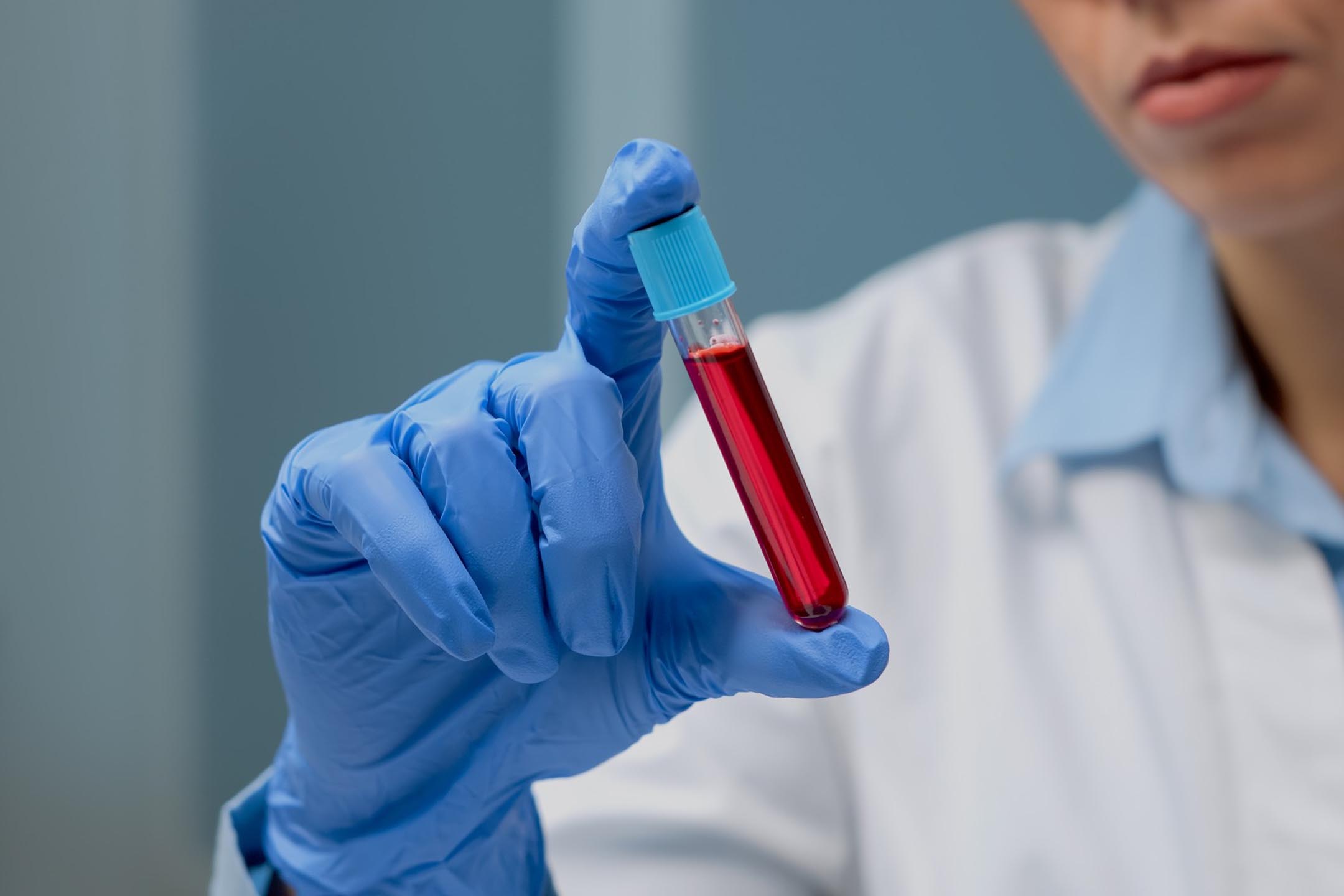
Tips for Getting Reliable Blood Test Results
- Fasting when advised Certain tests, such as glucose or cholesterol, are more accurate if you fast beforehand. Always follow the guidance given by your GP or clinic about whether you should avoid food and drink before your appointment.
- Before your appointment Try to avoid strenuous exercise, alcohol or unusually stressful activity in the hours leading up to your test. Let the nurse or phlebotomist know about any regular medicines you take and mention if you’ve been unwell recently.
- Being open about supplements and lifestyle Tell your GP if you use vitamins, herbal remedies or follow a specific diet. These factors can influence results and being upfront ensures your blood tests are interpreted in the right context.
Know What to Ask, and When to Act
It’s easy to feel overwhelmed by blood test results and numbers, but there is no need to self-diagnose. Staying informed, asking your GP the right questions and understanding the role of blood tests in a broader context makes all the difference. Good communication with your doctor leads to better care, especially if you’re monitoring a chronic condition or investigating new symptoms.
If you’re looking to book a blood test or better understand your recent results, The Forbury Clinic offers consultant-led services for blood tests in Reading, with fast results and clear, personalised explanations.