Urethral Stricture Treatment in London
A urethral stricture is a narrowing of the urethra, the tube that carries urine from the bladder out of the body. It can gradually make urination more difficult, causing a weak stream, straining or a feeling that the bladder has not fully emptied.
Treatment can be effective, but the right option depends on the length, location and cause of the stricture. Our consultant urologists provide careful assessment and explain the options clearly, from minimally invasive procedures to reconstructive surgery where appropriate.
What is a urethral stricture?
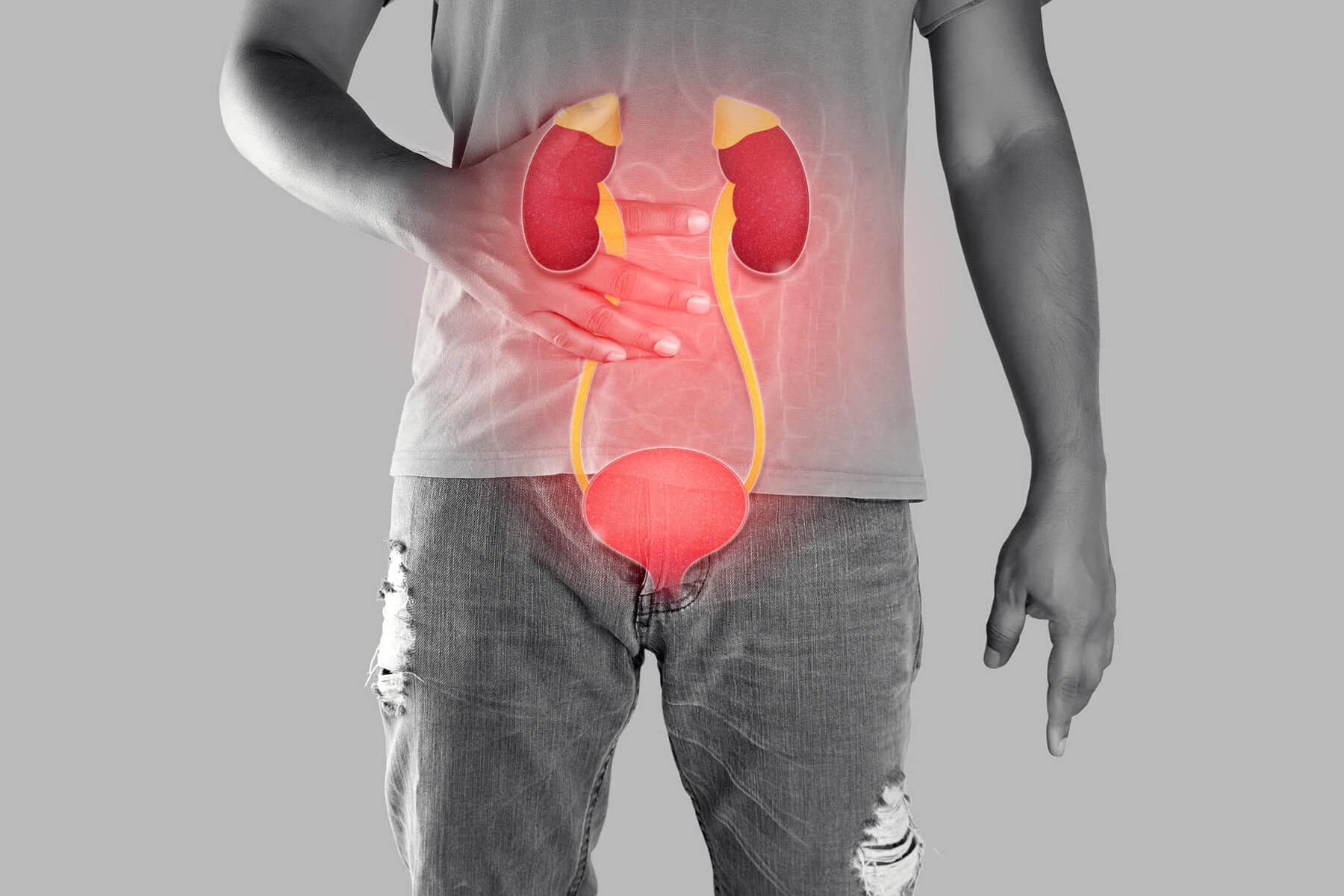
A urethral stricture is a narrowing caused by scar tissue in the urethra. As the scar tissue reduces the width of the tube, it restricts the flow of urine. It is similar to a kink in a hose, where less water can pass through.
Urethral strictures are more common in men because the male urethra is longer. Symptoms can include a slow or weak urinary stream, spraying, difficulty starting to pass urine, straining and a sensation that the bladder has not emptied fully.
Over time, a stricture can lead to repeated urine infections, bladder emptying problems or, in some cases, complete inability to pass urine.
There are several possible causes. These include an injury, previous surgery or catheter use, infection, inflammation or a skin condition such as lichen sclerosus. Sometimes no clear cause is found. The important factors for treatment are the location, length and nature of the stricture.

Recognising a urethral stricture
A urethral stricture usually becomes noticeable through changes in the way you pass urine.
Weak or spraying stream
A slow, weak, split or spraying urinary stream. You may need to strain to start or maintain the flow.
Incomplete emptying
Feeling that the bladder has not emptied properly, needing to return to the toilet shortly afterwards or passing urine more often.
Urine infections and complications
Repeated urinary tract infections can occur. In some cases, it may become impossible to pass urine, which requires urgent medical attention.
Why do urethral strictures develop?
Strictures form when scar tissue affects the urethra. This can happen for different reasons.
Injury
Trauma to the area, including straddle injuries or pelvic injuries, can damage the urethra and lead to scarring.
Infection and inflammation
Previous infections and inflammatory skin conditions, including lichen sclerosus, may cause scarring over time.
Previous procedures
Catheters, surgery or other instruments passed into the urethra can occasionally contribute to a stricture.
From assessment to treatment
Your consultant will use the results of your assessment to identify the most appropriate treatment pathway. The decision will take account of the stricture’s length, position and likely cause, as well as whether it is a first stricture or has returned after previous treatment.
Short strictures may sometimes be managed with minimally invasive treatment. For more complex or recurrent strictures, reconstructive surgery may be discussed. You will have clear information about what each option involves, including the potential for recurrence and the expected recovery considerations.
How we assess a urethral stricture
Flow rate test
A non-invasive test that measures the strength and pattern of your urinary stream.
Flexible urethroscopy
A thin camera is passed into the urethra so your consultant can view the narrowing directly.
Imaging
A contrast X-ray or scan may be used to map the precise position and length of the stricture before treatment.
Urine testing
A urine sample can check for infection, blood and other changes that may need attention.
Our stricture treatments
The right treatment depends on the length, position and cause of the stricture, and whether it is the first or a recurrence. Your consultant will recommend the most appropriate option.
Urethral dilatation
Urethral dilatation gently stretches the narrowed area to improve urine flow. It can provide relief for some men, although the stricture may return.
Optical urethrotomy
Optical urethrotomy uses a small instrument to make an internal cut in the scar tissue and widen the urethra. It may be suitable for selected strictures, but recurrence is possible.
Optilume
Optilume combines dilatation with a medicine designed to reduce the chance of scar tissue reforming. It may be considered for suitable recurrent urethral strictures.
Urethroplasty
Urethroplasty is surgery to reconstruct the narrowed part of the urethra. It may be considered for longer, more complex or recurrent strictures.
Choosing the right treatment
There is no single treatment that is right for every urethral stricture. The best approach depends on the exact features of the narrowing and your treatment history.
For a short stricture occurring for the first time, dilatation or optical urethrotomy may be a reasonable initial option. These procedures are less invasive, but strictures can return.
If a stricture is longer, more complex or has recurred after treatment, urethroplasty may offer a more lasting result. While it is a larger procedure, it may help avoid a cycle of repeated treatments. Your consultant will discuss what is most appropriate for you.
Why choose The Forbury Clinic for urethral stricture treatment in London?
Accurate diagnosis first
Your consultant will establish the position, length and likely cause of the stricture before recommending treatment.
Treatment matched to the stricture
From minimally invasive procedures to reconstructive surgery, the approach is based on your individual assessment.
Clear advice about recurrence
Your consultant will explain when simpler treatment may be suitable and when a more durable procedure should be considered.
Consultant-led care in London
You will be seen by a consultant urologist at The Forbury Clinic, 45 Queen Anne St, London W1G 9JF. Self-referral is welcome.
Frequently asked questions
What are the symptoms of a urethral stricture?
Symptoms often include a weak, slow or spraying urinary stream, straining to pass urine, incomplete bladder emptying and needing to pass urine more often. Some men also experience repeated urine infections.
Will a urethral stricture return?
It can. Less invasive treatments such as dilatation and optical urethrotomy can be helpful, but the narrowing may recur. For recurrent or longer strictures, urethroplasty may provide a more durable treatment option.
How is a urethral stricture diagnosed?
Assessment may include a urine flow test, flexible urethroscopy, a urine test and imaging to identify the exact length and position of the narrowing.
Is urethroplasty better than repeated dilatation?
This depends on the type of stricture and your treatment history. For some recurrent strictures, urethroplasty may be more appropriate than repeated dilatation. Your consultant will explain the potential benefits and considerations for your situation.
Do I need a GP referral?
No. You are welcome to self-refer and arrange a consultation directly with our team.

Treat a urethral stricture properly
If passing urine is becoming difficult, a consultant assessment can help identify the cause and explain the treatment options that may be right for you.
- AppointmentBook a consultation
- Reception0118 920 7055
- Location
The Forbury Clinic London, 45 Queen Anne St, London, W1G 9J