Optilume for Urethral Stricture in London
Optilume is a minimally invasive treatment for recurrent urethral strictures. It combines gentle balloon dilatation with a medicine designed to reduce the re-scarring that can cause the urethra to narrow again.
For suitable men, it may offer a longer-lasting alternative to repeat dilatation or internal urethrotomy, without the need for reconstructive surgery.

What is the Optilume procedure?
Optilume is a drug-coated balloon used to treat a urethral stricture, which is a narrowing of the urethra caused by scar tissue. The urethra is the tube that carries urine from the bladder out of the body.
It is a newer treatment that sits between simple stretching procedures and reconstructive surgery. It may be particularly useful for men whose stricture has returned after previous dilatation or optical urethrotomy.
Standard dilatation and internal urethrotomy can widen the narrowed part of the urethra, but scar tissue may form again during healing. Optilume is designed to address both issues during the same procedure. The balloon widens the stricture, while also delivering a medicine called paclitaxel to the urethral wall. Paclitaxel is intended to slow the cell activity that contributes to scar tissue reforming.
By helping reduce re-scarring, Optilume aims to keep the urethra open for longer than dilatation alone. It may offer selected men a less invasive alternative before considering urethroplasty.
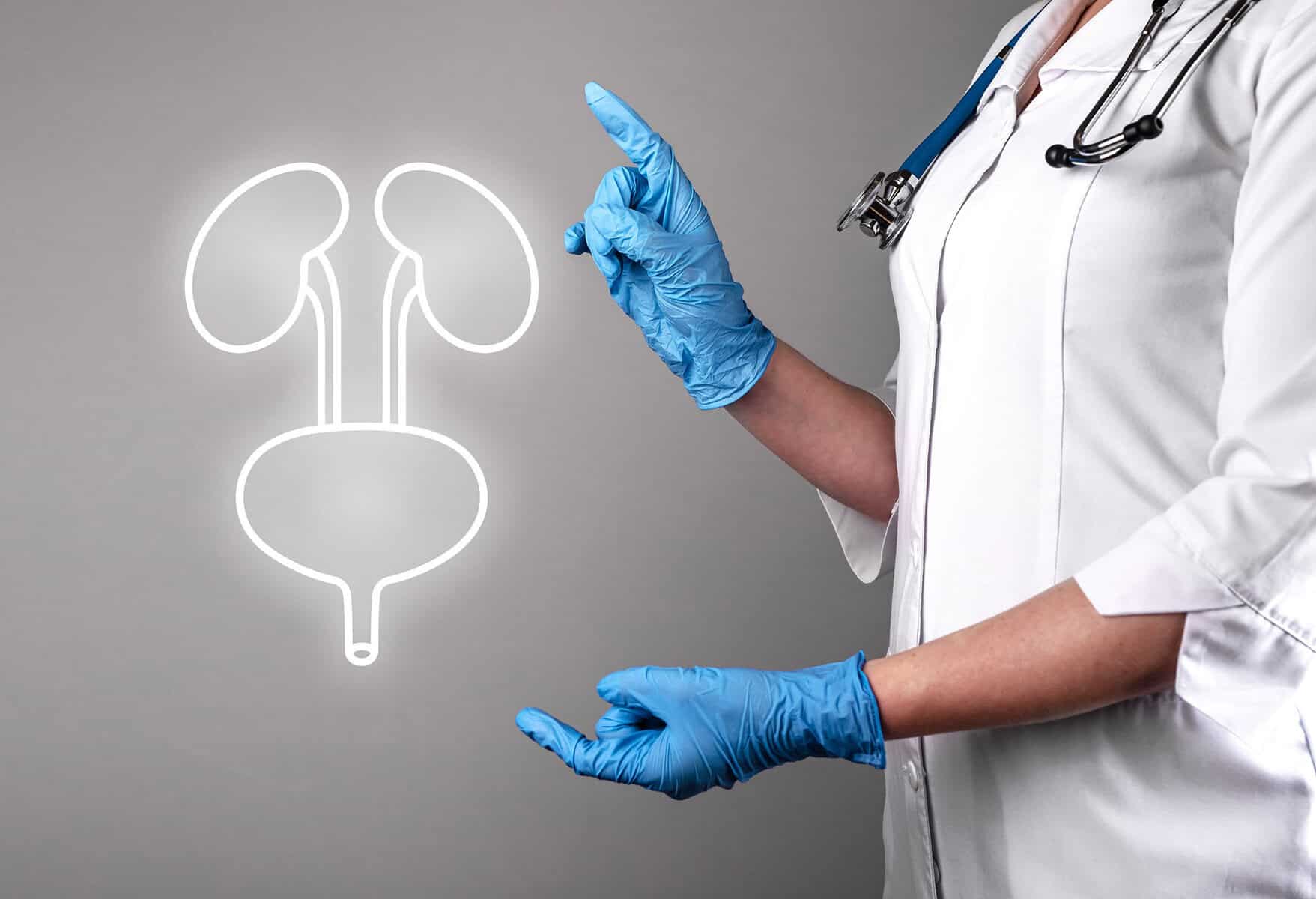
How it works
Optilume combines two approaches in one procedure.
Gentle dilation
A balloon is guided to the stricture and inflated to widen the narrowed part of the urethra, helping improve urine flow.
Local delivery of medicine
As the balloon expands, it delivers paclitaxel into the urethral wall. This medicine is intended to slow the scarring process that can lead to the stricture returning.
Designed to reduce recurrence
By widening the stricture and addressing re-scarring, Optilume aims to provide a longer-lasting result than stretching alone. Individual results vary.
Who the Optilume procedure may suit
Optilume may be considered for men who:
- Have a recurrent stricture in the front part of the urethra, known as the anterior urethra
- Have previously had urethral dilatation or optical urethrotomy without lasting improvement
- Would like to discuss a less invasive alternative to urethroplasty
- Have a stricture of a size and location suitable for the procedure
- Have been assessed as suitable by a consultant urologist
What to expect
- Assessment
Your consultant will confirm the location, length and characteristics of the stricture. This may involve a flow rate test, flexible urethroscopy and imaging. They will then discuss whether Optilume is an appropriate option. - The procedure
Optilume is carried out as a minimally invasive day-case procedure. The drug-coated balloon is passed through the urethra to the stricture, inflated to widen the narrowed section and deliver the medicine, then removed. - Recovery and review
A catheter is usually needed for a short time after treatment. Your consultant will explain your recovery plan, including advice about activity and follow-up to review urine flow and symptoms.
Why choose The Forbury Clinic for the Optilume procedure in London?
Designed to address recurrence
Unlike dilatation alone, Optilume combines widening of the stricture with local delivery of medicine intended to reduce re-scarring.
Minimally invasive treatment
The procedure is performed through the urethra without an external incision and is usually carried out as a day case.
A middle option for selected strictures
Optilume may offer an alternative between repeated endoscopic procedures and urethroplasty for suitable recurrent strictures.
Supported by clinical research
Optilume has been studied in the international ROBUST clinical trial programme. Your consultant will explain what the available evidence may mean for your individual situation.
What the evidence shows
Optilume has been evaluated in the ROBUST clinical trial programme, including the ROBUST III randomised controlled trial. In published follow-up, men treated with Optilume were more likely to avoid further stricture treatment than those receiving standard endoscopic management, with improvements in urinary flow and symptom scores maintained at two years.
Longer-term findings from the ROBUST I study reported functional success in 58% of participants at five years. These results relate to selected men with recurrent strictures and cannot predict an individual outcome.
Optilume is not the right choice for every stricture. Urethroplasty may still offer the most durable treatment for some longer, more complex or recurrent strictures. Your consultant will discuss the full range of appropriate options with you.
Frequently asked questions
Is Optilume an operation?
Optilume is a minimally invasive, day-case procedure rather than open surgery. The balloon is passed through the urethra, so there is no external incision.
How is Optilume different from standard dilatation?
Standard dilatation widens the stricture by stretching it. Optilume also delivers paclitaxel to the scarred area, with the aim of reducing the re-scarring that can make the narrowing return.
Is Optilume suitable for every urethral stricture?
No. It is used for selected recurrent strictures in the anterior urethra that are within particular size and location criteria. Your consultant will assess whether it is appropriate for you.
What is recovery like after Optilume?
Most men return home on the day of treatment. A catheter is usually used for a short period afterwards. Your consultant will give you individual advice about recovery, returning to work and resuming normal activities.
Could I still have urethroplasty later if needed?
In many cases, yes. Optilume may be considered as a less invasive treatment option before reconstructive surgery. If the stricture returns or is not suitable for Optilume, urethroplasty can still be discussed.

Ask whether Optilume is right for you
If a urethral stricture has returned after previous treatment, Optilume may be an option to discuss. Our consultant urologists can assess your stricture and explain the treatments that may be appropriate.
- AppointmentBook a consultation
- Reception0118 920 7055
- Location
The Forbury Clinic London, 45 Queen Anne St, London, W1G 9J