Peyronie's Disease Treatment in London
Peyronie’s disease can cause a noticeable curve in the penis, pain during erections or firm areas beneath the skin. It can affect sexual function, confidence and relationships, but it is more common than many men realise and treatment options are available.
Our consultant urologists offer discreet assessment for Peyronie’s disease in London. We will confirm the diagnosis, establish whether the condition is still changing and discuss the treatment options that may be appropriate for you.

What is Peyronie’s disease?
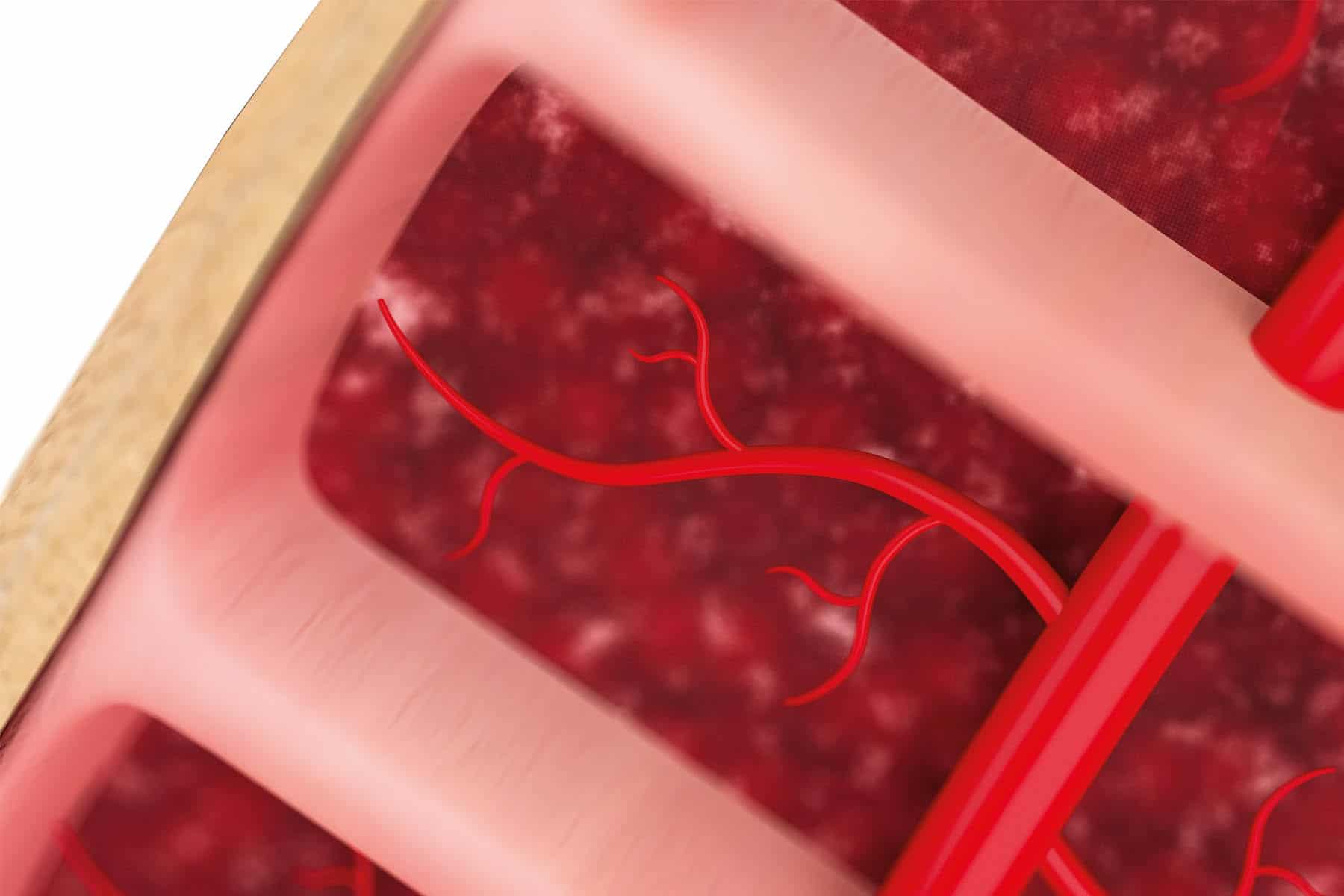
Peyronie’s disease occurs when fibrous scar tissue, known as plaque, develops inside the penis. The plaque can prevent part of the penis from stretching normally during an erection, leading to curvature. Some men also notice a firm lump or band beneath the skin, pain during erections or difficulty getting or maintaining an erection.
The condition often has two phases. During the active phase, the curve and any pain may be changing. This is followed by a stable phase, where the curvature has stopped progressing.
Understanding which phase you are in is important because it can influence the treatment options that may be suitable. Early assessment can be particularly helpful while symptoms are still changing.
Peyronie’s disease is not life-threatening, but it can be distressing. Many men delay seeking help because they feel embarrassed. A confidential consultation can provide clarity, reassurance and a practical plan for what happens next.

Recognising Peyronie’s disease
Peyronie’s disease can show itself in several ways, which may change over time.
A curve in the penis
A new bend or curvature during an erection, which may make sex difficult or uncomfortable.
Pain
Pain during erections is more common in the earlier active phase of Peyronie’s disease.
Lumps or hard areas
A firm area, lump or band beneath the skin of the penis, caused by plaque.
How we assess Peyronie’s disease
Your consultant will discuss your symptoms, how long they have been present and whether the curvature or pain is changing. They may also ask about erectile function, previous injury and any medical conditions that could be relevant.
Consultation and medical history
A detailed conversation about the curvature, pain, erections and the effect symptoms are having on your confidence or sexual relationship.
Examination
Your consultant may examine the penis to identify any plaque and assess where it is located.
Further tests where appropriate
In some cases, an ultrasound scan or further assessment of blood flow may be recommended to provide more information about the plaque and erectile function.
Treatment options for Peyronie’s disease
The most appropriate treatment will depend on your individual symptoms and the stage of the condition.
Perovial
Perovial is an injectable treatment containing high-purity hyaluronic acid. It may be considered for some men during the active phase of Peyronie’s disease. Your consultant will advise whether it is appropriate for you.
Shockwave Therapy
Low-intensity shockwave therapy may be considered to help manage pain associated with Peyronie’s disease. Your consultant will explain what this treatment involves and whether it is suitable in your circumstances.
Injections and surgery
Other injectable treatments and surgical correction may be discussed where appropriate. Surgery is generally considered for stable curvature that is causing significant difficulty, particularly where non-surgical approaches have not provided enough improvement.
From assessment to treatment
Treatment depends on whether your Peyronie’s disease is in the active or stable phase, the degree of curvature, whether pain is present and the effect symptoms are having on your sexual function.
During the active phase, non-surgical treatment may be considered to manage pain and support the condition while it is changing. If curvature is stable but continues to cause difficulty with sexual activity, surgical correction may be discussed.
Your consultant will explain the potential benefits, limitations and possible risks of each suitable option, helping you make an informed decision without pressure.
Why choose The Forbury Clinic for Peyronie’s disease treatment in London?
Early assessment and clear advice
Understanding whether Peyronie’s disease is active or stable helps guide the most appropriate next steps.
Non-surgical options considered first
Where appropriate, treatment can begin with non-surgical approaches, particularly while the condition is still changing.
Discreet, consultant-led care
Peyronie’s disease can be difficult to discuss. Our consultant urologists provide a private, respectful setting for an open conversation.
Surgery where appropriate
For stable curvature that continues to affect sexual function, your consultant can discuss whether surgical correction may be suitable.
Frequently asked questions
Is Peyronie’s disease serious?
Peyronie’s disease is not life-threatening, but it can cause pain, penile curvature and difficulties with erections or sex. It can also have a significant emotional impact. Assessment can help establish what treatment may be appropriate.
Can Peyronie’s disease improve on its own?
For some men, pain improves as the condition stabilises. Curvature may remain the same, improve slightly or become more pronounced. As the condition can change over time, it is sensible to seek assessment rather than wait and worry.
Do I need surgery?
Not necessarily. Many men are managed with non-surgical treatment, particularly during the active phase. Surgery may be considered if the curvature is stable and is making sexual activity difficult.
What is Perovial?
Perovial is an injectable treatment containing high-purity hyaluronic acid. It may be considered for some men in the active phase of Peyronie’s disease. Your consultant will explain whether it may be appropriate for your symptoms.
Can Peyronie’s disease cause erectile dysfunction?
It can. The condition may make erections painful or difficult because of the curvature and plaque. Some men also have erectile dysfunction alongside Peyronie’s disease. Your consultant will assess both concerns as part of your appointment.

Get expert assessment of Peyronie’s disease
If you have noticed penile curvature, pain or firm areas beneath the skin, our consultant urologists can help you understand what may be happening and discuss the appropriate treatment options.
- AppointmentBook a consultation
- Reception0118 920 7055
- Location
The Forbury Clinic London, 45 Queen Anne St, London, W1G 9J