Intralesional Steroid Injection
An intralesional steroid injection is a targeted dermatology treatment used to reduce inflammation within specific skin lesions. By delivering medication directly into the affected area, this approach allows precise treatment while limiting the impact on the rest of the body.
Intralesional steroid treatment is provided at The Forbury Clinic by an experienced dermatologist within our consultant-led private dermatology clinic. The procedure is commonly used to treat inflammatory or thickened skin conditions that have not responded to topical treatments alone.
What Is an Intralesional Steroid Injection?
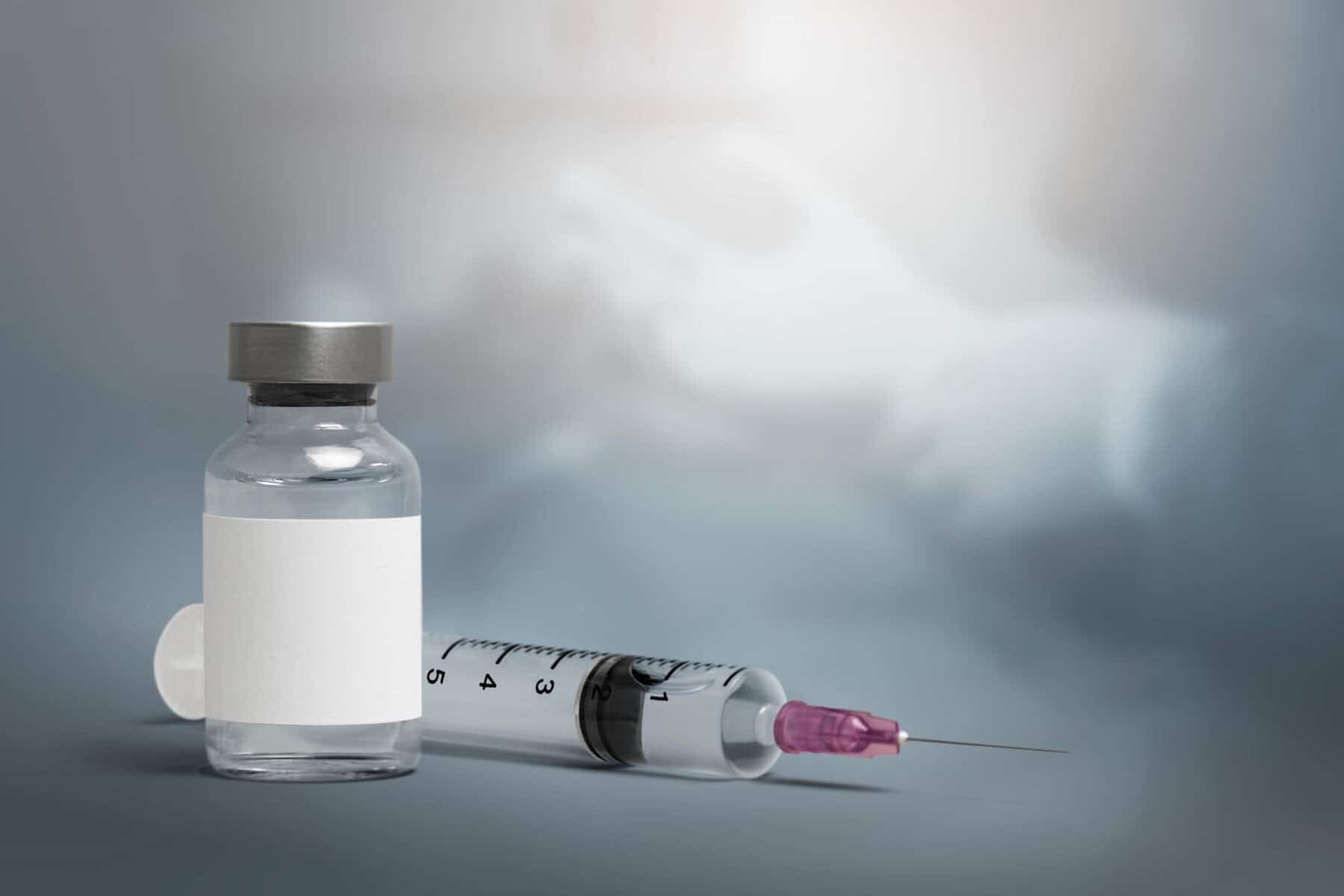
An intralesional steroid injection involves placing a small amount of corticosteroid medication directly into a lesion or affected area of skin. The steroid works by reducing inflammation, suppressing overactive immune responses and slowing excessive tissue growth.
Unlike oral steroids, which affect the whole body, an intralesional steroid acts locally at the site of concern. This makes it particularly useful for stubborn or isolated skin problems.

What Conditions Can It Treat?
A steroid injection for skin may be recommended for:
- Keloid or hypertrophic scars
- Alopecia areata (patchy hair loss)
- Persistent cysts or inflammatory nodules
- Certain types of acne
- Localised inflammatory skin disorders
Your dermatologist will assess your condition carefully to determine whether an intralesional steroid injection is the most appropriate dermatology treatment for you
How Does the Procedure Work?
The injection is administered using a very fine needle directly into the lesion. The medication works over time to reduce swelling, flatten raised tissue and calm inflammation.
The procedure usually takes only a few minutes and is performed during a routine consultation. Mild discomfort may be felt at the injection site, but the treatment is generally well tolerated.
Depending on the condition being treated, more than one session may be required at intervals of several weeks to achieve optimal results.
What Is the Recovery Time?
Most patients return to normal activities immediately after treatment. The treated area may appear slightly red or tender for a short period.
Improvements are typically gradual, with visible reduction in inflammation or scar thickness over several weeks. Your dermatologist will arrange follow-up appointments to monitor progress and adjust treatment if needed.
Intralesional Steroid Injection FAQs
- Are there any side effects?
Intralesional steroid injections are considered safe when administered by a qualified dermatologist. Possible temporary side effects may include mild discomfort, local skin thinning or slight pigment changes at the injection site.
Your dermatologist will discuss potential risks in detail before treatment and ensure that the dose and frequency are appropriate for your condition.
- How long does it take to see results?
Improvements are usually noticed within a few weeks as inflammation reduces and tissue softens. In some cases, repeated sessions are needed for best results.
- Is the injection painful?
You may feel a brief stinging sensation during the injection, but discomfort is typically minimal and short-lived.
- How many injections will I need?
The number of sessions depends on the size and severity of the lesion. Some conditions respond after one treatment, while others may require a short course.
- Is this treatment suitable for children?
In certain cases, intralesional steroid injections can be used in children, particularly for conditions such as alopecia areata. Your dermatologist will determine suitability based on age and clinical need.
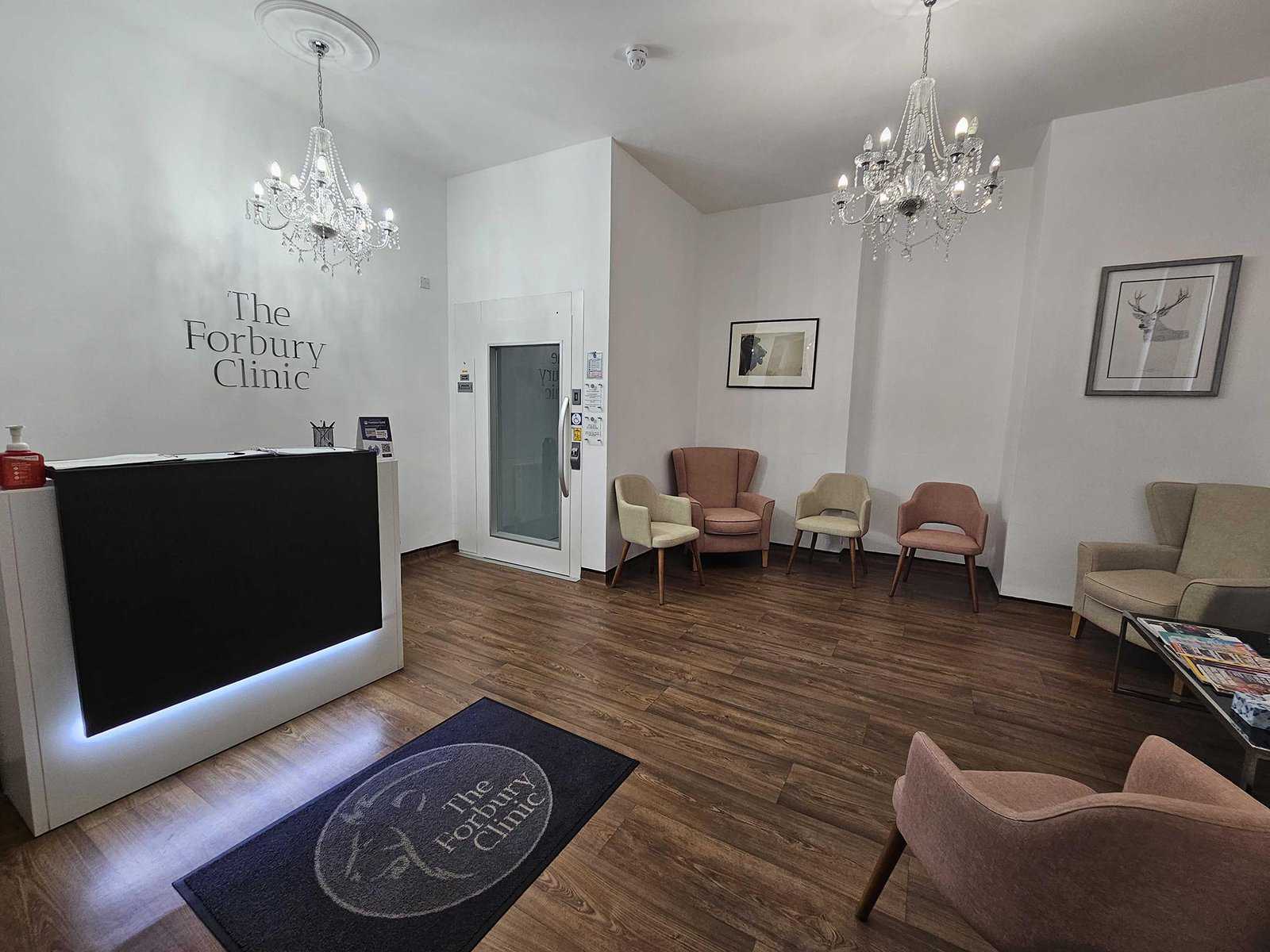
Why Choose The Forbury Clinic?
Our consultant-led private dermatology service provides precise, evidence-based skin care in a professional and supportive environment. Every intralesional steroid injection is delivered by an experienced dermatologist who ensures accurate diagnosis, careful technique and personalised follow-up care.