Rosacea Treatment in Reading
Expert rosacea treatment in Reading. Consultant dermatologists provide personalised care and redness management for sensitive skin.
Introduction to Rosacea
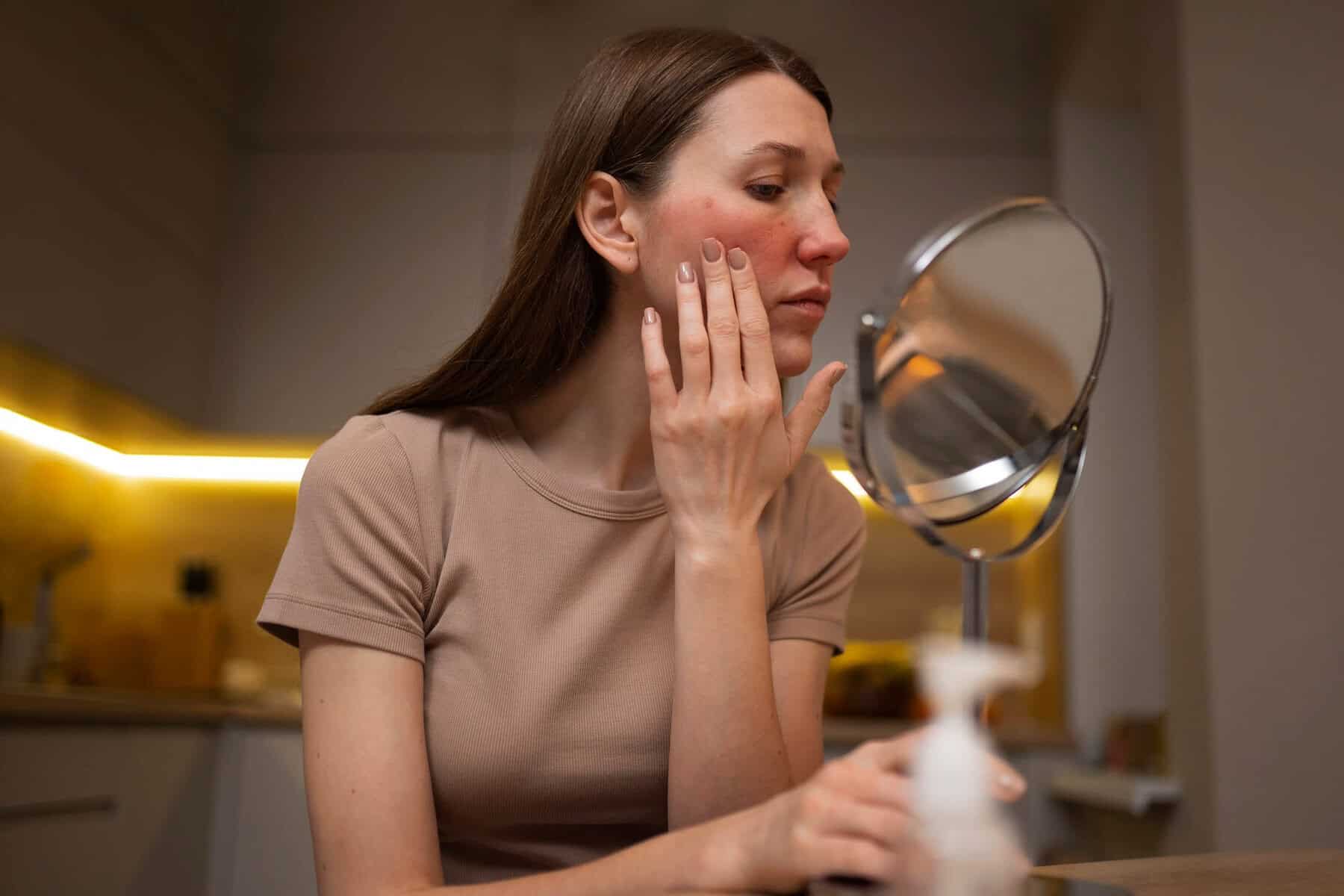
Rosacea is a long-term skin condition that causes facial redness, visible blood vessels and, in some cases, small spots or pustules. It typically affects the cheeks, nose, chin and forehead, and may flare in response to triggers such as sunlight, stress, alcohol or spicy foods. Rosacea is more common in adults with fair or sensitive skin but can affect anyone, often causing frustration or embarrassment due to its appearance.
The Forbury Clinic provides consultant-led rosacea treatment focused on identifying personal triggers, calming visible redness and restoring skin comfort. Our dermatologists use evidence-based medical care alongside supportive skincare advice to help you achieve clear, balanced skin and lasting confidence.


Common Symptoms of Rosacea
Facial Redness
Rosacea often begins with persistent facial redness across the cheeks, nose or forehead. The skin may flush easily and remain red for long periods, resembling sunburn.
Visible Blood Vessels
Fine, visible blood vessels (telangiectasia) may appear on the surface of the skin, particularly on the nose and cheeks. These can become more noticeable without treatment.
Bumps and Pimples
Small inflamed spots or pustules can occur during flare-ups, often mistaken for acne. Unlike acne, rosacea does not cause blackheads.
Eye Irritation or Dryness
In some cases, rosacea affects the eyes (ocular rosacea), leading to dryness, watering or irritation. Specialist assessment ensures safe, targeted management.
How Our Dermatologists Can Help
Personalised Rosacea Diagnosis
Our dermatologists assess your type and severity of rosacea, looking for patterns, triggers and any associated symptoms. Accurate diagnosis allows targeted treatment and a clearer understanding of what fuels flare-ups.
Advanced Medical Treatment
Your treatment plan may include topical or oral medications to reduce inflammation, antibacterial lotions, or therapies that minimise visible blood vessels. For redness, laser or light-based therapy may be recommended to achieve a more even skin tone.
Ongoing Care and Trigger Management
Managing rosacea is an ongoing process. We provide guidance on skincare, lifestyle and trigger avoidance, supporting you to maintain calmer, more comfortable skin long term.
What to Expect During Your Dermatology Appointment
Initial Consultation
Your consultation begins with a detailed discussion about your symptoms, skincare routine and any patterns you’ve noticed. Your dermatologist will examine your skin and explain which type of rosacea you have before outlining the most effective treatments.
Diagnostic Investigation
Most cases are diagnosed through visual examination. However, if symptoms are unusual or other conditions are suspected, your dermatologist may arrange further tests to confirm diagnosis and tailor treatment precisely.
Treatment & Aftercare
You’ll receive a personalised, step-by-step treatment plan that may include prescription creams, antibiotics or laser therapy. Your dermatologist will provide clear aftercare advice, including how to avoid flare-up triggers and maintain healthy skin between visits.

Rosacea Treatment FAQs
- What causes rosacea?
The exact cause is not fully understood but involves overactivity in the skin’s blood vessels, inflammation and sensitivity to environmental triggers. Genetics, sun exposure and a microscopic skin mite (Demodex) may also play a role.
- Is rosacea curable?
Rosacea cannot be fully cured, but it can be effectively managed. With the right treatment and skincare routine, flare-ups can be significantly reduced and redness minimised.
- Can rosacea affect the eyes?
Yes. Ocular rosacea can cause dry, irritated or watery eyes, sometimes with mild pain or burning. Early diagnosis and treatment are important to prevent complications.
- How can I prevent rosacea flare-ups?
Common triggers include heat, spicy foods, alcohol, sunlight and stress. Identifying and avoiding your main triggers, using gentle skincare and applying daily SPF can help keep symptoms controlled.
Why Choose The Forbury Clinic?
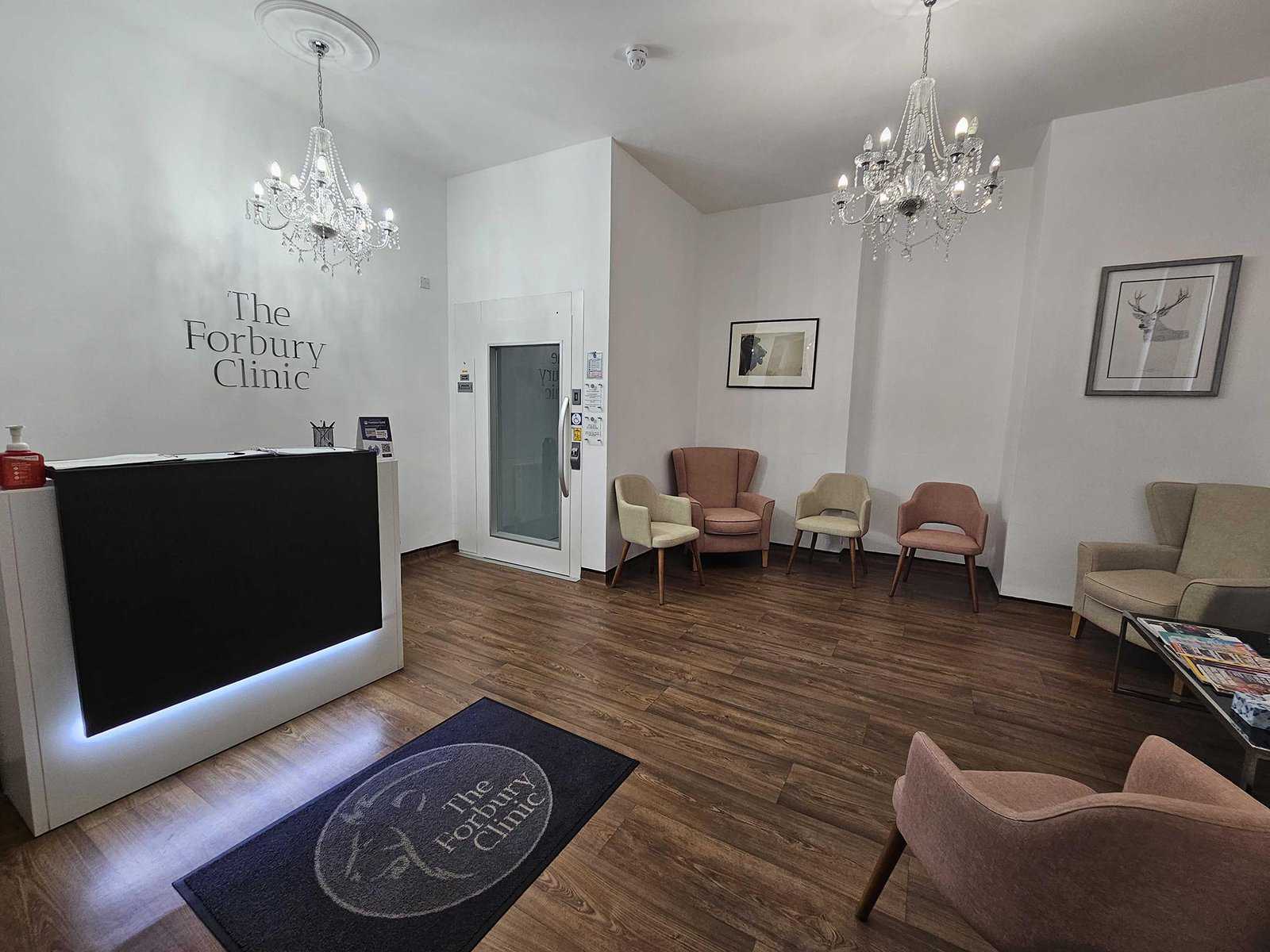
The Forbury Clinic’s consultant dermatologists provide expert care for all types of rosacea, from mild redness to more complex inflammatory or ocular forms. We combine advanced medical treatments with practical, compassionate guidance to help restore your skin’s natural balance and support your long-term confidence.