Poikiloderma: Symptoms and Treatment in Reading
Poikiloderma is a harmless change in the appearance of the skin. It causes a combination of redness, brown discolouration and fine visible blood vessels. It most often affects the sides of the neck and upper chest, where it can form a distinctive V-shaped pattern.
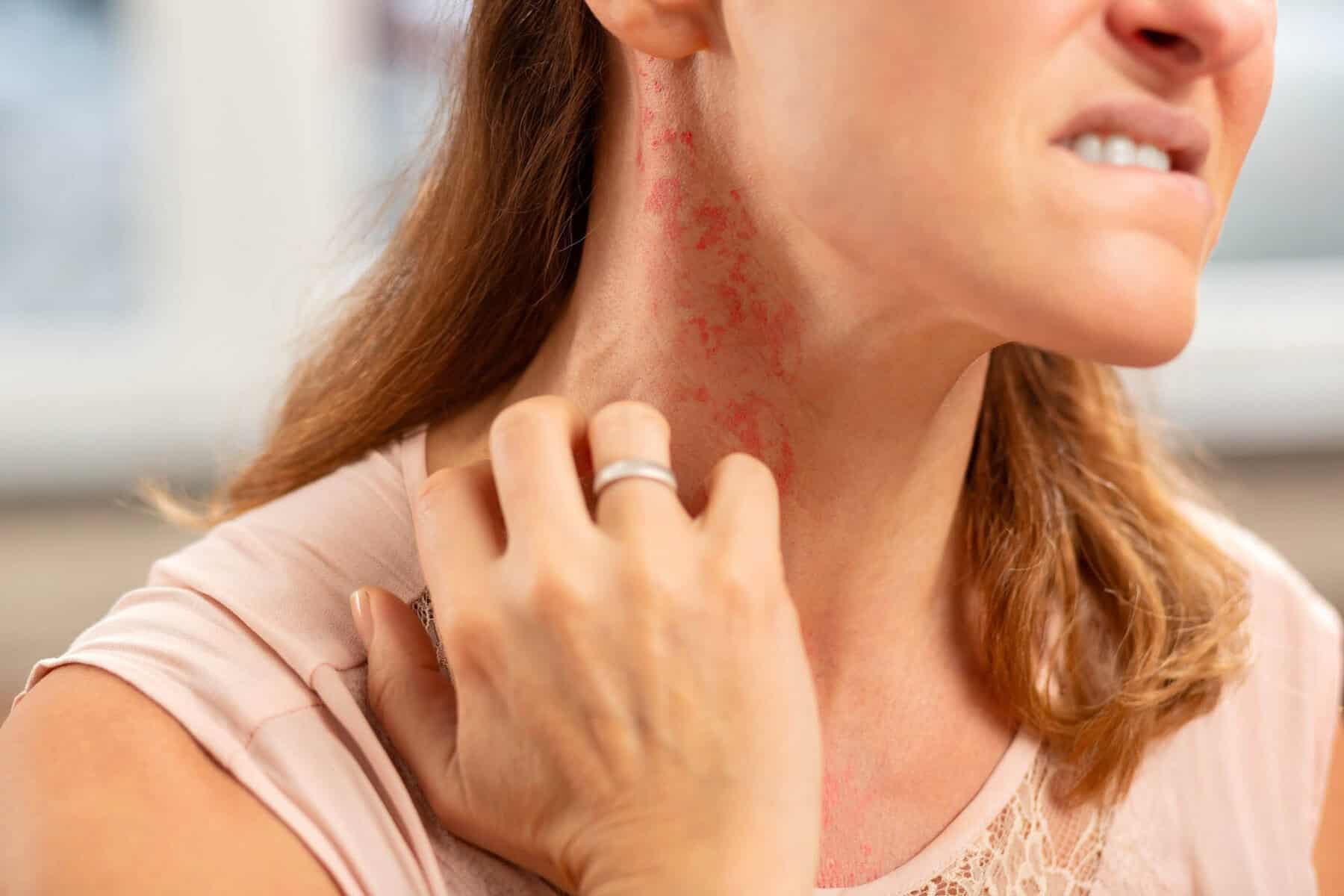
Poikiloderma: Symptoms and Treatment
If you are concerned about changes in your skin, a consultant dermatologist can assess the area and discuss appropriate poikiloderma treatment and skin care advice. The Forbury Clinic provides private dermatology assessments in Reading for a range of skin concerns.
Poikiloderma is benign, meaning it is not cancerous. However, it is usually a sign of long-term sun damage to the skin, so assessment can be a useful opportunity to understand the changes and protect your skin for the future.


What is poikiloderma?
The word poikiloderma describes a pattern of skin changes rather than a single disease. The affected skin may appear:
- Red or flushed
- Brown, mottled or uneven in colour
- Marked by small visible blood vessels
- Thinner or more delicate than surrounding skin
A common form is called poikiloderma of Civatte. It usually develops gradually on the neck, upper chest and sometimes the cheeks. The central area beneath the chin is often less affected because it is naturally shaded from sunlight. This can create the characteristic V-shaped appearance across the upper chest and lower neck.
Poikiloderma is more common in people with a history of regular sun exposure. It may become more noticeable with age and is often seen in fairer skin types. However, anyone can develop uneven pigmentation and visible blood vessels after repeated sun exposure.
The changes are usually painless, although some people notice sensitivity, mild itching or a burning sensation. For many, the main concern is the appearance of the skin and the fact that it may become more visible over time.
What causes poikiloderma?
Sun exposure is the main cause of poikiloderma of Civatte. Ultraviolet light gradually affects the skin’s pigment, small blood vessels and supporting structures such as collagen. Over years, this can lead to permanent-looking changes in colour and texture.
Other factors may contribute, including:
Natural ageing of the skin
Fair or sun-sensitive skin
Spending significant time outdoors without regular sun protection
Repeated exposure to ultraviolet light, including sunbeds
Perfumes or fragranced products applied to sun-exposed skin, which may irritate the area in some people
Poikiloderma should not be confused with a sudden rash, allergic reaction or infection. A new or changing mark on the skin should always be assessed, particularly if it is painful, bleeding, crusting or changing quickly.
Is poikiloderma dangerous?
Poikiloderma is not dangerous in itself. It is a benign skin change and does not become contagious or spread through contact with another person.
However, because it can look similar to other conditions, it is important not to assume that every patch of red, brown or uneven skin is poikiloderma. A private dermatology assessment can help distinguish it from other causes of pigmentation, visible blood vessels and persistent redness.
Poikiloderma also indicates that the skin has experienced long-term sun exposure. Protecting the area from further ultraviolet damage is important, both to prevent the changes becoming more noticeable and to support overall skin health.
Arrange an appointment if you have a skin change that is new, changing, uncomfortable or causing concern. Seek urgent medical advice if a lesion is bleeding heavily or you feel unwell.


Poikiloderma treatment and management
There is no single poikiloderma treatment that is right for everyone. Management depends on the pattern of skin changes, your medical history and what you would like help with.
A consultant dermatologist can confirm whether poikiloderma is the likely diagnosis and discuss practical measures to limit further change. This may include advice on daily sun protection, gentle skin care and avoiding potential irritants such as fragranced products on the neck and chest.
Using a broad-spectrum sunscreen with high UVA and UVB protection can help reduce further sun damage. Protective clothing, shade and avoiding sunbeds are also important. These measures cannot necessarily reverse existing changes, but they help protect the skin from additional exposure.
Some people seek treatment because they are concerned about the cosmetic appearance of redness, pigmentation or visible blood vessels. Your consultant can discuss whether any management options may be appropriate, alongside the limitations and expected results of treatment. Not every procedure is suitable for every skin type or pattern of poikiloderma.
Other common benign skin concerns can sometimes appear alongside sun-related changes. If you have small red raised marks on the body, read about cherry angiomas.
What to expect at your appointment
Your consultation will begin with time to discuss when you first noticed the skin changes, whether they are changing and any symptoms such as itching, burning or sensitivity.
The dermatologist will examine the affected area and may ask you about:
- Sun exposure and previous sunburn
- Use of sunbeds
- Skin care products, perfumes or cosmetics
- Any personal or family history of skin cancer
- Medicines and relevant health conditions
This assessment is important because several skin conditions can cause redness or pigmentation. In some cases, your consultant may recommend monitoring the area, changing aspects of your skin care routine or arranging further assessment.
Consultant dermatologist Sacha Goolamali provides consultant-led assessment at The Forbury Clinic for patients with poikiloderma and other skin concerns.
Poikiloderma Treatment FAQs
- What is poikiloderma?
Poikiloderma is a pattern of skin changes involving uneven pigmentation, redness and fine visible blood vessels. It commonly affects sun-exposed areas such as the sides of the neck and upper chest.
- What causes poikiloderma?
The most common cause is long-term exposure to ultraviolet light from the sun. Ageing, skin type and repeated irritation from fragranced products may also contribute.
- Is poikiloderma dangerous?
Poikiloderma is benign and not cancerous. It does, however, indicate long-term sun damage. Any new, changing or unusual skin lesion should be checked by a medical professional rather than self-diagnosed.
- Can poikiloderma be treated?
A dermatologist can assess the condition and discuss management options that may be suitable for you. Sun protection and avoiding further ultraviolet exposure are important parts of managing poikiloderma. The aim is often to prevent further changes and address any concerns about the appearance of the skin.
- Is poikiloderma the same as rosacea?
No. Rosacea is a long-term inflammatory skin condition that mainly affects the central face and can cause flushing, redness, spots and visible blood vessels. Poikiloderma more commonly affects the sides of the neck and upper chest, with a mixture of redness, pigmentation and fine blood vessels.
- Does poikiloderma go away on its own?
Poikiloderma does not usually disappear completely without management because it is linked to cumulative sun damage. The changes may remain stable for long periods, but further sun exposure can make them more noticeable.

Why Choose The Forbury Clinic?
Our consultant dermatologists combine expertise in medical dermatology and aesthetic care to manage poikiloderma safely and effectively. We provide detailed assessment, evidence-based treatment options and clear guidance to protect your skin’s long-term health while improving its tone and texture.