Malignant Melanomas Treatment in Reading
Expert diagnosis and treatment of malignant melanomas in Reading. Consultant dermatologists offer assessment, biopsy and advanced care.
Introduction to Malignant Melanomas
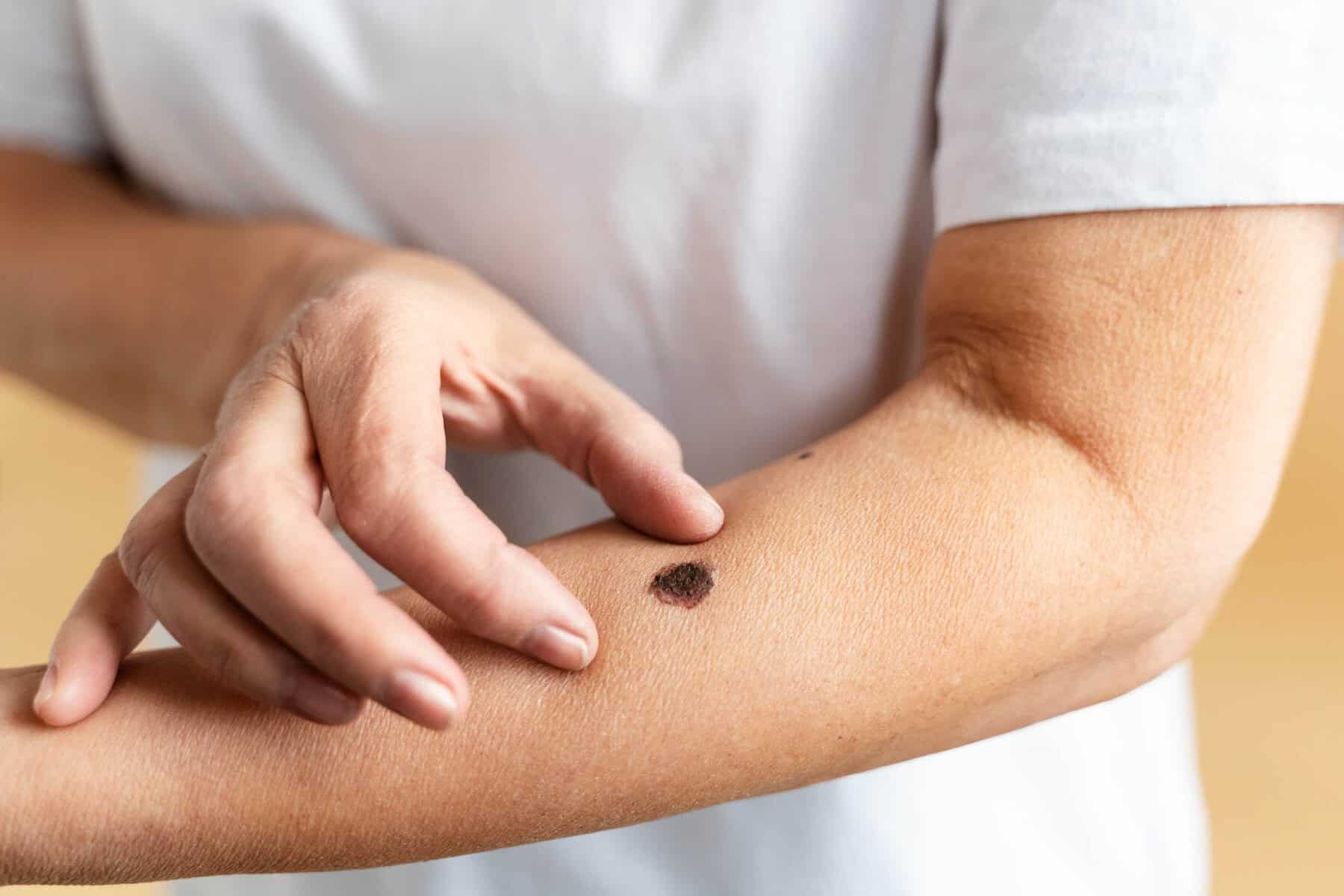
Malignant melanoma is the most serious form of skin cancer, developing from pigment-producing cells known as melanocytes. It can appear as a new mole or an existing mole that changes in size, colour, shape or sensation. Early detection and treatment are vital, as melanoma can spread to other parts of the body if left untreated.
The Forbury Clinic’s consultant dermatologists are highly experienced in assessing suspicious moles and diagnosing malignant melanomas. We provide urgent appointments for mole checks, precise diagnostic testing, and rapid access to definitive treatment so that you receive timely, expert care and peace of mind.

Common Symptoms of Malignant Melanomas
Change in a Mole
The most common sign is an existing mole that changes in appearance. This may include growth in size, a darker or uneven colour, or irregular edges.
New or Unusual Mole
Melanoma can also appear as a new, solitary mole that looks different from your other moles. It may appear darker, larger or with mixed colours such as brown, black, red or blue.
Itchiness, Bleeding or Crusting
Moles that start to itch, ooze, bleed or form a scab should be checked promptly. These changes may indicate an evolving melanoma and require immediate specialist review.
Asymmetry or Irregular Borders
Melanomas are often asymmetric, with uneven or blurred edges. Dermatologists use the “ABCDE” guide (Asymmetry, Border, Colour, Diameter and Evolution) to assess risk accurately.
How Our Dermatologists Can Help
Urgent Assessment and Diagnosis
Our consultants provide fast-track appointments for patients with changing or concerning moles. Using advanced dermatoscopic imaging, we assess mole structure and colour in detail to identify early melanomas accurately.
Biopsy and Specialist Treatment
If melanoma is suspected, a small biopsy or full mole excision is performed under local anaesthetic. This tissue is analysed to confirm the diagnosis and determine how deeply the cancer has grown. When appropriate, we coordinate onward surgical management or further treatment with trusted oncology specialists.
Long-Term Skin Monitoring
Following treatment, our dermatologists offer regular mole checks and full-body skin examinations. We guide you on self-monitoring, sun safety and recognising changes early to reduce future melanoma risk.
What to Expect During Your Dermatology Appointment
Initial Consultation
Your dermatologist will begin with a thorough discussion about your skin history, including any family history of melanoma or excessive sun exposure. Each mole or lesion of concern will be examined with dermatoscopic imaging to assess its features.
Diagnostic Investigation
If a mole appears atypical, an excision biopsy will be arranged – usually on the same or next available day. This straightforward procedure removes the lesion for laboratory analysis, providing a clear diagnosis within days.
Treatment & Aftercare
If melanoma is confirmed, your dermatologist will explain the results clearly and outline next steps. Further surgery may be advised to ensure complete removal, alongside ongoing follow‑up and support. You will also receive personalised advice on wound care and skin protection.
Malignant Melanomas FAQs
- What causes malignant melanomas?
Melanomas develop when skin cells called melanocytes become damaged, most often due to ultraviolet (UV) radiation from sunlight or tanning beds. Fair skin, a history of sunburn and genetic factors increase risk.
- Is malignant melanoma curable?
When detected early and treated promptly, melanoma can often be cured. The chance of a full recovery decreases if the cancer spreads, so early diagnosis is crucial.
- How are malignant melanomas treated?
Treatment usually involves surgical removal of the melanoma and a small margin of surrounding skin. In more advanced stages, additional treatments may be required.
- How can I reduce my risk of melanoma?
Protect your skin from excessive sun exposure, use sunscreen year-round, avoid tanning beds and check your moles regularly. Any new or changing mole should be reviewed by a dermatologist.
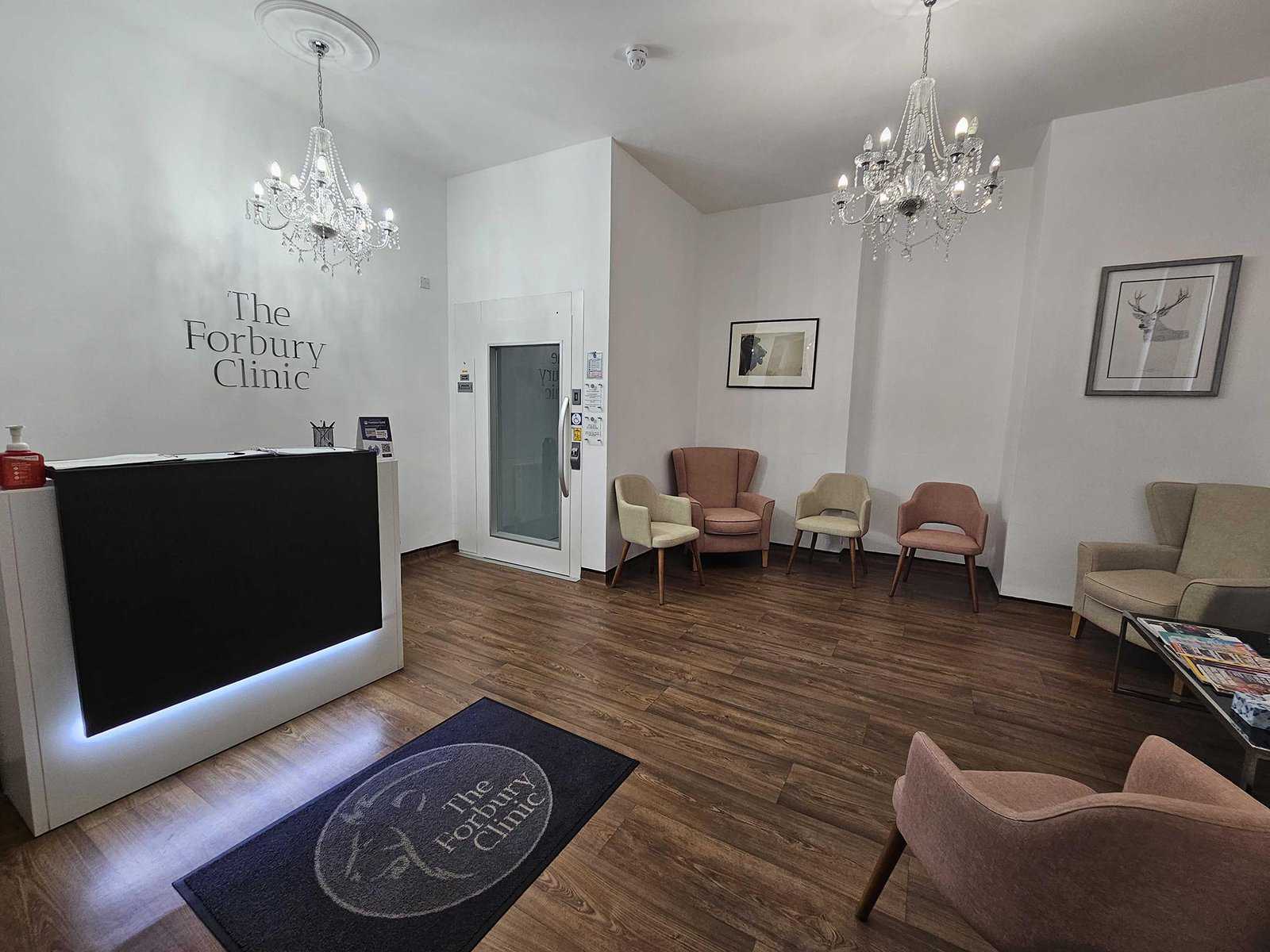
Why Choose The Forbury Clinic?
Our consultant dermatologists have extensive expertise in diagnosing and managing malignant melanomas. We combine advanced imaging with expert clinical judgement to ensure early detection, swift treatment and compassionate follow‑up care. Patients receive clear communication, reassurance and comprehensive skin monitoring for long-term safety.