Lichen Planus Treatment in Reading
Lichen planus is an inflammatory condition that can affect the skin and the mouth, scalp, nails or genital area in some people. It may cause an itchy rash, soreness, changes to the nails or patches of hair loss, depending on the area affected.

Lichen Planus Treatment
If you are looking for lichen planus treatment in Reading, a consultant dermatologist can assess your symptoms, confirm the likely diagnosis and discuss care that is appropriate for the type and severity of your condition. The Forbury Clinic offers private dermatology consultations and intralesional steroid injection for suitable localised skin lesions.
Lichen planus is not contagious. You cannot catch it from someone else or pass it on through contact.


What is lichen planus?
Lichen planus happens when the immune system causes inflammation in the skin or other affected tissue. It often appears as small, flat-topped bumps that may be purple, red-brown or greyish in colour. The rash can be very itchy and may leave darker marks after it settles, particularly in darker skin tones.
The condition can affect adults of any sex. Skin lichen planus often develops on the wrists, ankles, lower legs or lower back. It can also affect the inside of the mouth, genital skin, scalp and nails.
Symptoms vary depending on the area involved. You may notice:
- An itchy rash or areas of raised skin
- Thickened, persistent patches, often on the shins
- Soreness or white lacy patches inside the mouth
- Painful or irritated genital skin
- Hair loss or scalp discomfort
- Ridged, thinning or damaged nails
A persistent itch is sometimes named pruritus. It can affect sleep, concentration and everyday comfort, even when the rash itself is limited to a small area.
What causes lichen planus?
The exact cause of lichen planus is not fully understood. It is thought to involve an overactive immune response, where the body reacts against its own skin or lining tissues.
For some people, lichen planus or a similar rash may be linked with a reaction to certain medicines. These are sometimes described as lichenoid reactions. Your dermatologist will ask about your medical history and any medicines you take, as this can help distinguish between different possible causes.
Stress does not cause lichen planus, but some people find that symptoms or discomfort are more noticeable during stressful periods. Avoiding scratching where possible and using gentle, fragrance-free skin products can help reduce irritation while you are waiting for assessment.
Lichen planus treatment options
Treatment depends on the part of the body affected, how troublesome the symptoms are and whether there are localised lesions that may respond to an injection. Some mild cases settle without treatment. Skin lichen planus often improves within 9 to 18 months, although the timing can vary from person to person.
The main aim of treatment is to reduce inflammation, relieve itch or soreness and help you manage flare-ups. Lichen planus can sometimes recur, so it is important to seek medical advice if symptoms return or change.
Intralesional steroid injection for lichen planus
The primary treatment offered for suitable lichen planus lesions at The Forbury Clinic is an intralesional steriod injection.
Intralesional treatment means that a corticosteroid medicine is injected directly into a specific area of inflamed skin. This allows the medicine to act locally, rather than treating the whole body. It may be considered for stubborn, thickened or localised lichen planus lesions, including some persistent areas on the shins.
An injection is not suitable for every type of lichen planus. Lichen planus affecting the mouth, genitals, scalp or nails may need a different treatment approach. Your consultant will explain whether intralesional steroid injection is appropriate for you, including the potential benefits, alternatives and possible side effects.
Steroid injections can cause temporary discomfort. Possible local effects include thinning or dimpling of the skin, changes in skin colour and small visible blood vessels around the treated area. These risks will be discussed before treatment.

What to expect from your dermatology appointment
Your private dermatology appointment will begin with a discussion about your symptoms, medical history and the medicines you use. The consultant will then examine the affected skin and may ask whether you have noticed symptoms in your mouth, scalp, genital area or nails.
Lichen planus can resemble other skin conditions. In some cases, a small skin sample (biopsy) may be recommended to help confirm the diagnosis. A biopsy involves removing a tiny piece of skin under local anaesthetic so it can be examined in a laboratory.
If intralesional steroid injection is suitable, your consultant will explain what the procedure involves and answer any questions before proceeding. You will also receive advice on caring for the treated area and when to contact the clinic if you have concerns.
Consultant dermatologist Sacha Goolamali provides expert, consultant-led assessment for patients with lichen planus and other inflammatory skin conditions.
Lichen Planus Treatment FAQs
- Is lichen planus contagious?
No. Lichen planus is not an infection and cannot be passed from person to person through touch, close contact or sex.
- Does lichen planus go away on its own?
Skin lichen planus can improve without treatment and commonly settles over months rather than days. However, symptoms can be uncomfortable and some forms, particularly oral, genital, scalp or nail lichen planus, may need specialist care.
- How is lichen planus treated?
Treatment is tailored to the area affected and your symptoms. It may involve medicines applied to the skin, steroid treatment or, for selected persistent localised lesions, intralesional steroid injection.
- What does intralesional steroid injection involve?
A dermatology consultant injects a small amount of corticosteroid medicine directly into the affected lesion using a fine needle. The appointment includes an assessment of whether treatment is appropriate, a discussion of risks and aftercare advice.
- How long does lichen planus treatment take to work?
There is no single timescale. Effectiveness depends on the type of lichen planus, the area affected and how active the inflammation is. Your consultant will advise when to review progress and whether further treatment may be needed.
Why Choose The Forbury Clinic?
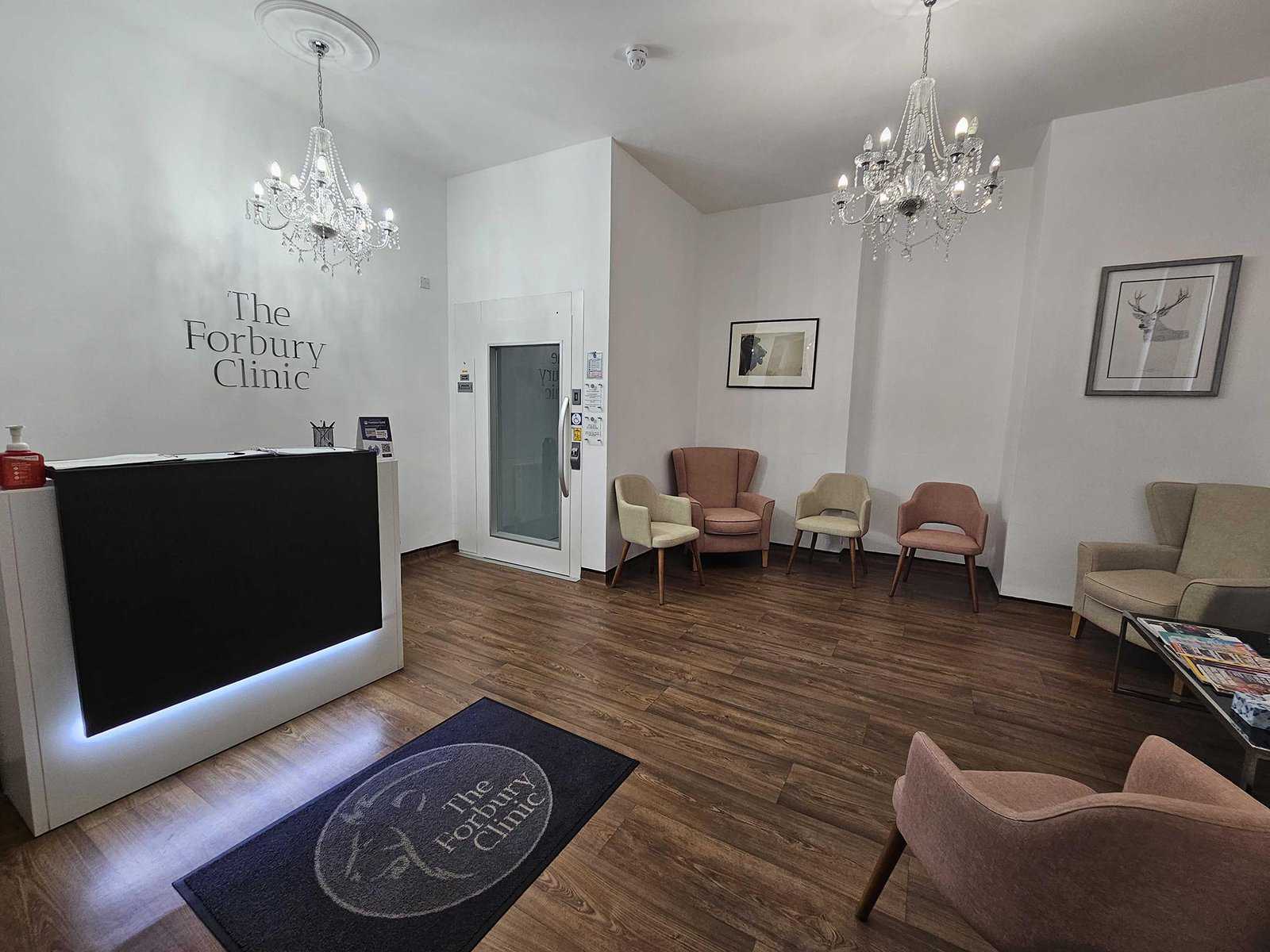
Our consultant dermatologists offer expert care for all forms of lichen planus, from mild skin rashes to complex mucosal and scalp involvement. We combine in-depth clinical knowledge with a sensitive approach, ensuring your treatment is both effective and supportive of your overall wellbeing.