Infantile Seborrhoeic Dermatitis Treatment in Reading
Expert care for infantile seborrhoeic dermatitis in babies and children. Consultant dermatologists in Reading provide safe, gentle treatment.

Introduction to Infantile Seborrhoeic Dermatitis
Infantile seborrhoeic dermatitis, sometimes known as cradle cap, is a common skin condition that affects babies and young children. It causes greasy or flaky patches on the scalp and can also appear on the face, behind the ears or in skin folds. While it usually looks concerning to parents, the condition is harmless and does not cause discomfort to most children.
Our consultant dermatologists provide expert assessment and gentle management for infantile seborrhoeic dermatitis. We offer practical advice, identify any complicating factors such as secondary infection, and guide parents on how best to care for their child’s skin safely and effectively.


Common Symptoms of Infantile Seborrhoeic Dermatitis
Flaky or Greasy Scalp
White, yellow or brown flakes often appear on the scalp, sometimes forming thicker crusts. These flakes are usually not itchy or painful but can stick to hair and cause concern.
Redness in Skin Folds
Patches of redness or mild scaling may develop around the eyebrows, behind the ears, in the neck or groin folds. The skin may look slightly shiny or greasy.
Mild Odour or Crusting
In some cases, the affected skin can develop a mild odour or light crusting from natural oils. These patches usually resolve gradually with regular, gentle cleansing.
How Our Dermatologists Can Help
Expert Diagnosis and Reassurance
Our dermatologists carefully assess your child’s skin to confirm a diagnosis and rule out other conditions such as eczema or fungal infection. Parents receive clear explanations and reassurance about what to expect and how to manage the condition at home.
Gentle, Evidence-Based Treatment
Treatment focuses on softening and removing flakes, reducing scaling and preventing irritation. Options may include mild medicated shampoos, emollients or antifungal creams, all carefully chosen for safety on infant skin.
Ongoing Support and Prevention Advice
We guide parents on daily skincare routines, including bathing advice and the safe use of moisturisers. Follow‑up reviews may be arranged if symptoms persist or spread to other areas.
What to Expect During Your Dermatology Appointment
Initial Consultation
The appointment begins with a gentle examination of your child’s scalp and affected areas. The dermatologist will ask about skin history, feeding, and general health to rule out other causes of rash or irritation.
Diagnostic Investigation
Usually, the diagnosis is made from visual assessment alone. In rare cases, if infection or another skin condition is suspected, your dermatologist may recommend a swab or simple test for confirmation.
Treatment & Aftercare
After confirming the diagnosis, a tailored skincare plan will be shared with you. This includes safe steps to soften and lift scales, manage redness and maintain healthy baby skin. You’ll be shown how to care for the scalp at home and what changes to look out for.

Infantile Seborrhoeic Dermatitis FAQs
- What causes infantile seborrhoeic dermatitis?
The condition is linked to overactive sebaceous (oil) glands in baby skin and possibly to a harmless yeast that lives on the skin’s surface. It is not due to poor hygiene or allergies.
- Is infantile seborrhoeic dermatitis painful or itchy?
Most babies do not experience discomfort or itching. The condition looks more dramatic than it feels and usually resolves naturally within weeks or months.
- How long does it last?
Cradle cap often clears by 6 to 12 months of age. In some children, mild flaking may persist longer or intermittently recur but usually improves with simple treatment.
- When should I see a dermatologist?
If the rash spreads, becomes red or swollen, develops oozing, or does not improve with gentle home care, a dermatology review is recommended to rule out infection or atopic eczema.
Why Choose The Forbury Clinic?
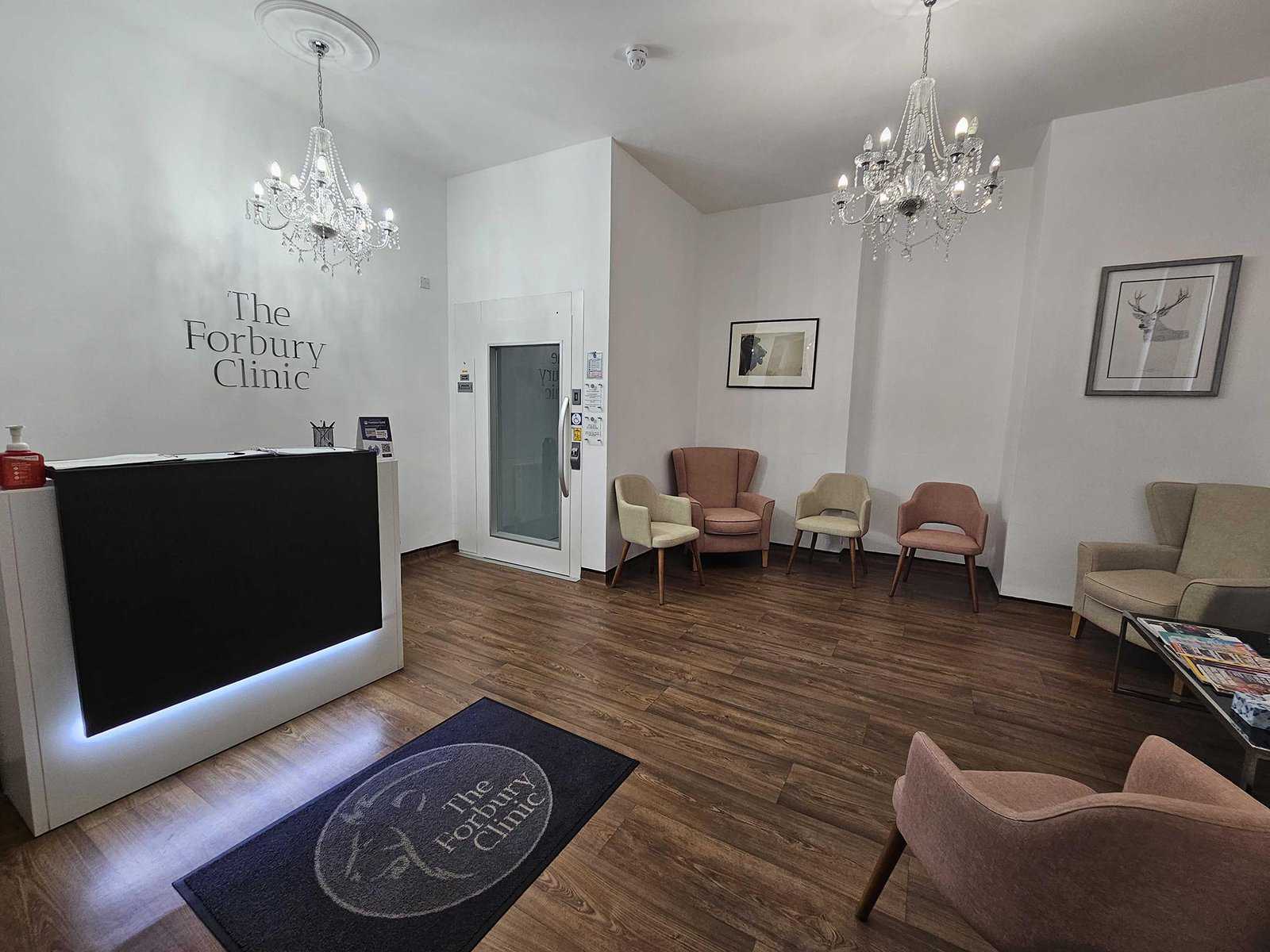
Families trust The Forbury Clinic for our consultant-led, child‑friendly approach to skin health. Our dermatologists combine expertise with gentle reassurance, ensuring your baby receives safe, effective care and you receive clear, practical guidance.