Bowen's Disease Treatment in Reading
Bowen’s disease is an early pre-cancerous skin condition that requires prompt assessment and appropriate treatment. It is not invasive skin cancer, but without treatment it can develop into squamous cell carcinoma over time. Early diagnosis allows for straightforward, minor procedures with excellent outcomes.
Fast private access for Bowen’s disease treatment in Reading allows you to avoid lengthy referral pathways and receive consultant-led care without delay.
If you have been told you may have Bowen’s disease or are concerned about a persistent red scaly patch, arrange a dermatology consultation directly.

What is Bowen’s disease?
Bowen’s disease is a very early form of skin cancer confined to the top layer of the skin, known as the epidermis. Doctors often describe it as squamous cell carcinoma in situ. The term in situ means the abnormal cells have not spread deeper into the skin.
It typically appears as:
- A persistent red or pink scaly patch
- A slowly enlarging plaque with well defined edges
- A flat or slightly raised area that may crust or itch
It most commonly develops on sun-exposed areas such as the lower legs, head, neck or hands.
Although Bowen’s disease is pre-cancerous, it is highly treatable when identified early.
Is Bowen’s disease serious?
Bowen’s disease is not invasive skin cancer. However, it is considered a pre-cancerous condition because there is a small risk that it can progress to squamous cell carcinoma if left untreated.
The risk of progression is low but real. For that reason, assessment and treatment are recommended once a diagnosis is confirmed.
Prompt treatment significantly reduces the risk of invasive cancer developing.

How is Bowen’s disease diagnosed?
Diagnosis begins with a detailed skin examination. A consultant dermatologist assesses the size, location and appearance of the lesion.
In some cases the diagnosis can be made clinically. Where there is uncertainty a small skin biopsy may be performed. A biopsy involves removing a tiny sample of skin under local anaesthetic and sending it to a laboratory for microscopic examination.
Bowen’s disease can sometimes resemble other sun related conditions such as actinic keratoses. Careful assessment ensures the correct diagnosis and treatment plan.
Consultant dermatologist Sacha Goolamali provides specialist assessment and minor skin surgery within the dermatology service.
Bowen’s disease treatment in Reading
Bowens disease treatment depends on the size, location and number of lesions, as well as your general health.
Both cryotherapy and curettage and cauterisation are available as treatment options.
Cryotherapy
Cryotherapy uses controlled freezing to destroy abnormal cells. Liquid nitrogen is applied directly to the lesion for a short period.
The treated area may blister scab and then heal over several weeks. Cryotherapy is often suitable for smaller lesions.
Curettage and cauterisation
Curettage involves gently scraping away the abnormal tissue using a specialised instrument. Cauterisation uses heat to seal the area and destroy any remaining abnormal cells.
Find a detailed explanation of the curettage and cautery skin procedure.
This approach is commonly used for well defined lesions and allows tissue to be sent for laboratory confirmation if required.
The most appropriate treatment is discussed during your consultation.
What to expect during treatment
Treatment is performed under local anaesthetic. The area is numbed so you should not feel pain during the procedure.
Most minor procedures take between 20 and 40 minutes depending on the size of the lesion.
After treatment you may experience:
Redness and mild swelling
Oozing or crusting
Temporary tenderness
You will receive clear aftercare instructions, including wound care guidance and advice on when to seek review.
Healing times vary depending on the site treated. Lower leg lesions may take slightly longer to heal than those on the thigh or other upper leg areas due to differences in circulation.
How long does Bowen’s disease take to treat?
The procedure itself is usually completed in a single appointment.
Healing can take several weeks. Follow up may be arranged to ensure the area has healed well and that there are no signs of recurrence.
Can Bowen’s disease come back after treatment?
Recurrence is possible, though many cases are successfully treated with a single procedure.
The risk depends on:
- Size of the lesion
- Location
- Treatment method used
Regular skin checks are recommended, particularly if you have a history of sun damage or previous skin cancer.
Fast private access
NHS referral pathways for suspected skin cancer are prioritised according to national criteria. While urgent suspected invasive cancers are seen quickly, pre-cancerous conditions may not always qualify for rapid assessment.
Private consultation allows:
- Direct access without GP referral
- Prompt diagnosis
- Same day minor procedures where appropriate
Early treatment provides reassurance and reduces the risk of progression.

Bowen’s Disease FAQs
- What is Bowen's disease?
Bowen’s disease is an early pre-cancerous skin condition confined to the top layer of skin. It is also known as squamous cell carcinoma in situ.
- Is Bowen's disease a type of skin cancer?
It is not invasive skin cancer. It is an early form where abnormal cells are limited to the surface layer of skin.
- How is Bowen's disease treated?
Common treatments include cryotherapy and curettage with cauterisation. The choice depends on the size site and characteristics of the lesion.
- Is Bowen's disease serious?
It carries a small risk of progression to invasive squamous cell carcinoma if left untreated. Early treatment is effective.
- How long does Bowen's disease take to treat?
The procedure usually takes less than an hour. Healing may take several weeks depending on location.
- Can Bowen's disease come back after treatment?
Yes recurrence is possible though many lesions are cured with one treatment. Follow up is advised.
- How is Bowen's disease diagnosed?
Diagnosis is made by clinical examination and sometimes confirmed with a biopsy.
Why Choose The Forbury Clinic?
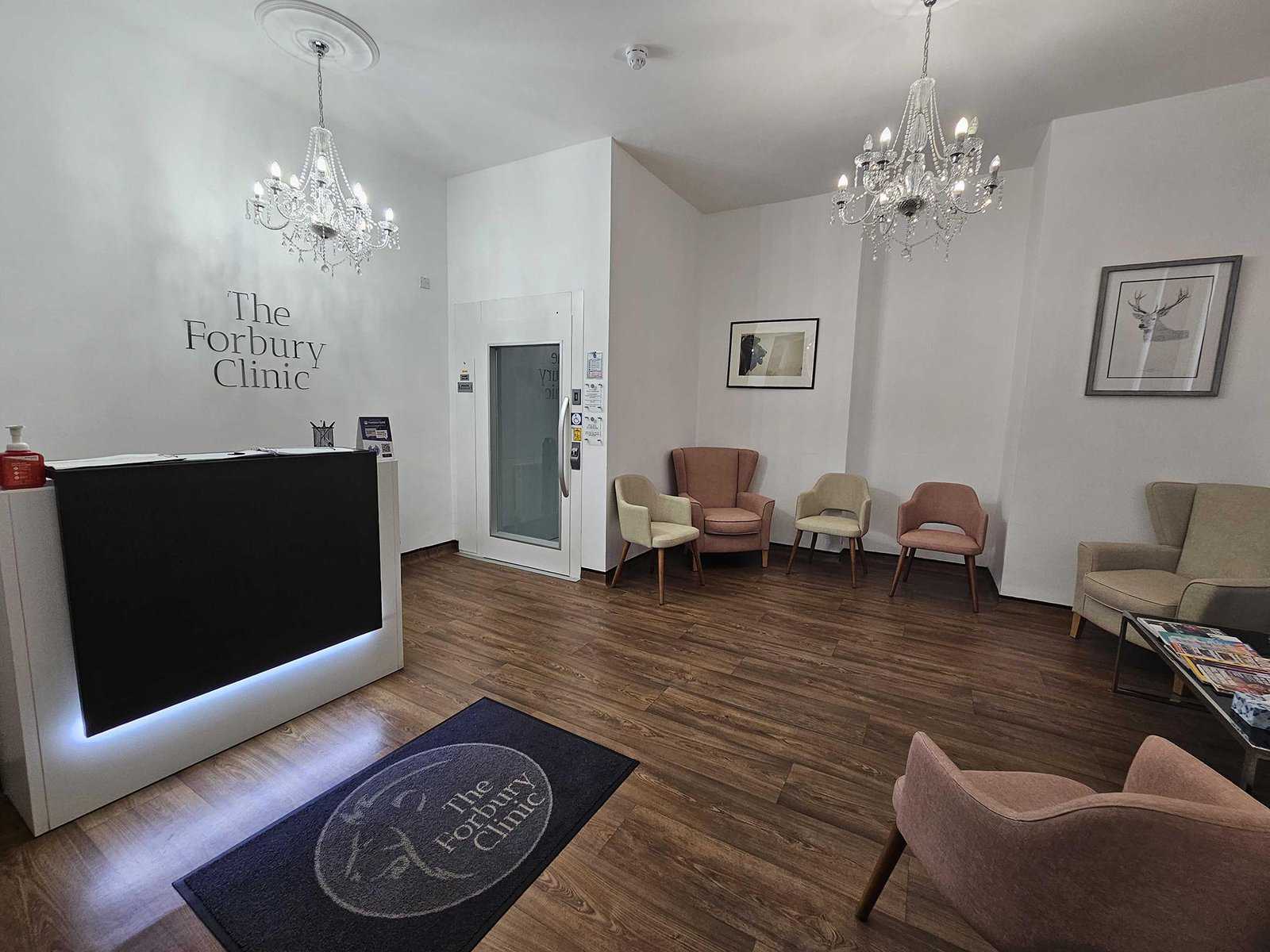
The Forbury Clinic’s consultant dermatologists combine advanced diagnostic expertise with compassionate, patient‑centred care. We use modern treatments proven to clear Bowen’s disease safely and effectively while supporting long-term skin health through prevention and follow-up.
When to seek urgent help
Call 999 if you experience severe bleeding that does not stop with firm pressure or signs of spreading infection such as increasing redness, swelling, fever or severe pain.
For non urgent medical advice contact NHS 111.