Acne Treatment in Reading
Consultant dermatologists in Reading offering personalised acne treatment, diagnosis and clear skin support for adults and teens.
Introduction to Acne
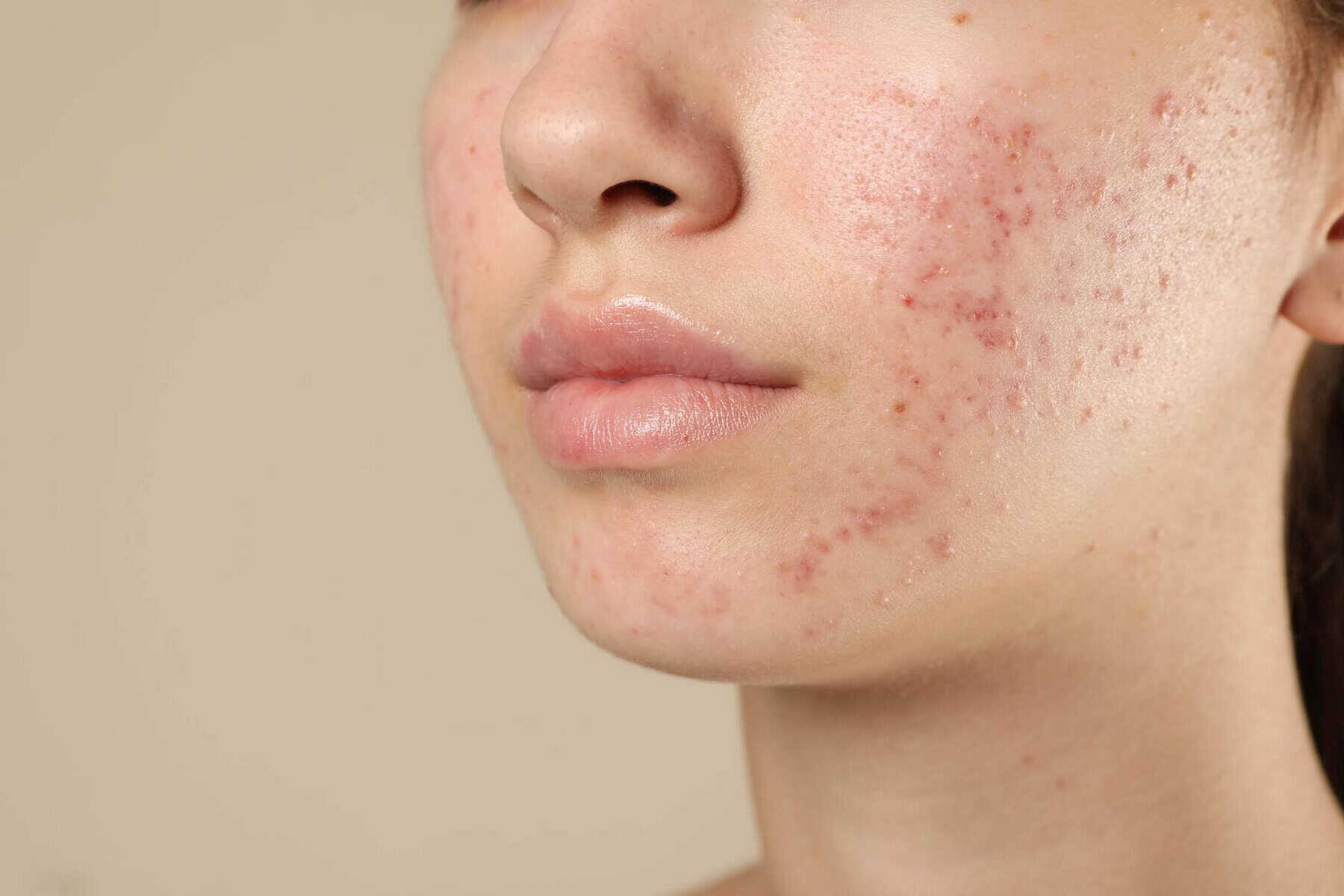
Acne is a common skin condition that occurs when hair follicles become blocked with oil and dead skin cells, often leading to spots, inflammation and blemishes. While most people associate acne with teenage years, it can affect adults too, sometimes persisting into later life. Beyond its physical symptoms, acne can also affect self-esteem and confidence.
At The Forbury Clinic, our consultant dermatologists take a sensitive and evidence-based approach to treating acne. We focus on understanding your skin, identifying the underlying causes and developing a personalised care plan to restore your skin health and confidence.

Common Symptoms of Acne
Blackheads and Whiteheads
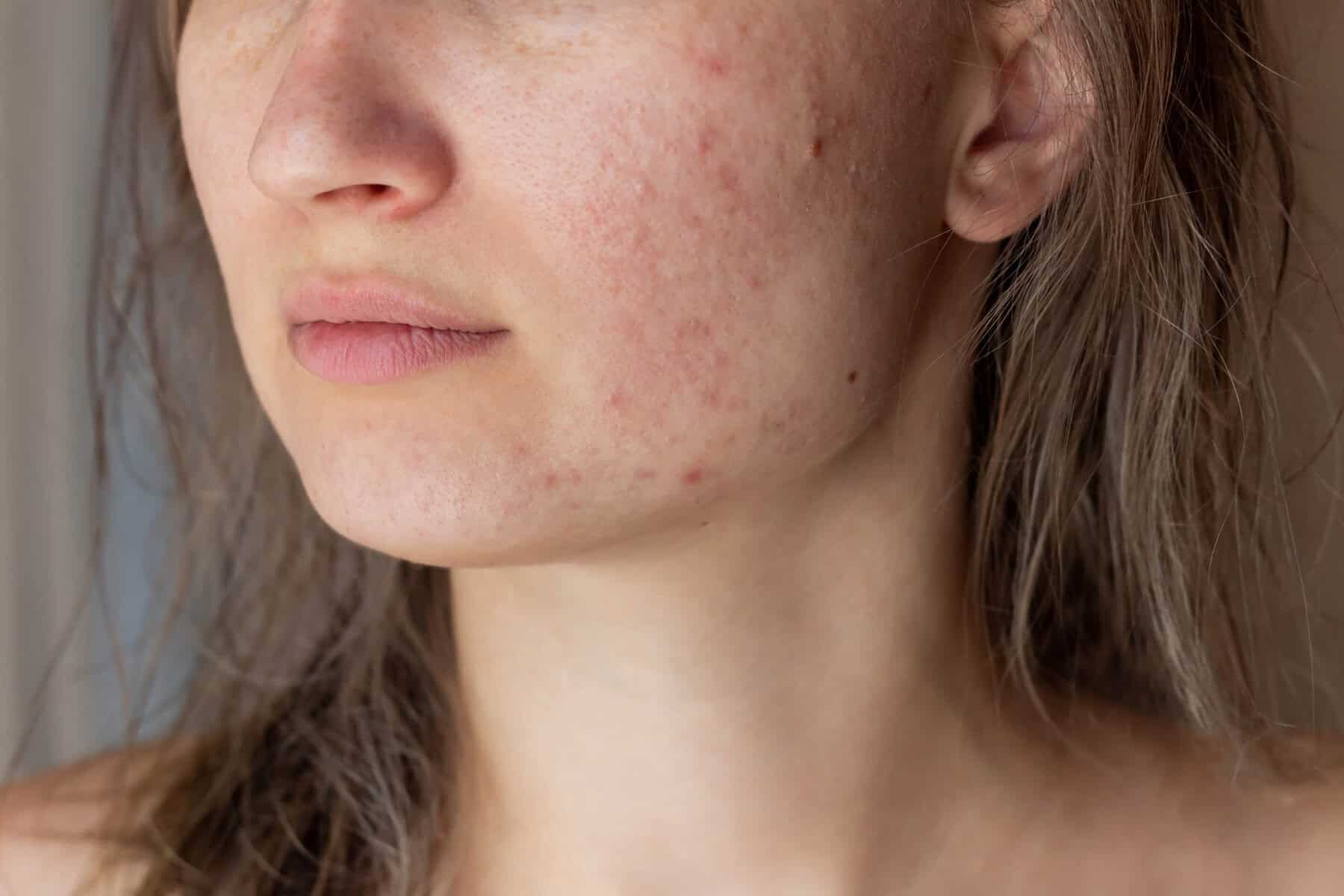
These are the most common types of acne. Blackheads occur when pores become clogged but remain open, causing the contents to darken on exposure to air. Whiteheads form when pores are closed, creating small bumps under the skin. Both can be a sign of increased sebum (oil) production or changes in skin turnover.
Papules and Pustules
Papules are small red bumps that can feel tender, while pustules contain pus and appear with a white or yellow centre. These spots are often inflamed and may cause discomfort. They can appear across the face, chest or back.
Nodules and Cysts
These are larger, deeper types of acne that can feel firm or painful. Cystic acne can lead to scarring if left untreated, which is why professional dermatology assessment is recommended. Targeted, consultant-led care can help prevent long-term skin damage.
How Our Dermatologists Can Help
Specialist Diagnostic Assessment
Understanding what’s driving your acne helps shape the most effective treatment. Our consultants investigate factors such as hormones, stress, medication and skincare products, tailoring advice and therapy accordingly.
Personalised Treatment Plans
Every case of acne is different. Our dermatologists assess your skin type, triggers and previous treatment history to create a personalised plan. This may include prescription topical creams, oral medication or clinical therapies such as chemical peels or light-based treatments.
Ongoing Care and Skin Health Support
Successful acne care often involves ongoing management. We review your progress regularly, adjust treatment where needed, and provide guidance on skincare routines to help keep your skin clear and healthy over time.
What to Expect During Your Dermatology Appointment
Initial Consultation
Your consultation begins with a detailed discussion of your symptoms, medical history and any treatments you’ve previously tried. The dermatologist will examine your skin and talk through likely causes, treatment options and expected outcomes.
Diagnostic Investigation
If needed, investigations such as hormone testing or bacterial swabs may be arranged. These help confirm underlying causes or guide medication choice. Your dermatologist will explain each step clearly.
Treatment & Aftercare
Treatment may involve topical or oral medications, skincare guidance, and in some cases, in-clinic treatments such as peels or microneedling. Aftercare focuses on monitoring results and preventing recurrence, with follow-up appointments to review progress and adjust your plan.

Acne Treatment FAQs
- What causes acne?
Acne develops when pores become blocked by excess oil, dead skin cells or bacteria on the skin’s surface. Hormonal changes, stress and certain products can also contribute to flare-ups.
- Can acne be cured?
While acne cannot always be “cured” permanently, it can be effectively managed and controlled. With tailored dermatologist-led treatment, most people achieve clear or significantly improved skin.
- How to treat severe acne?
Severe acne often requires prescription medication such as oral antibiotics, hormonal treatment or isotretinoin. Dermatologists may also recommend complementary therapies to reduce inflammation and scarring.
- Will acne go away on its own?
Mild acne may improve naturally over time, especially during early adulthood. However, persistent or severe acne usually needs treatment to prevent scarring and long-term skin damage.
Why Choose The Forbury Clinic?
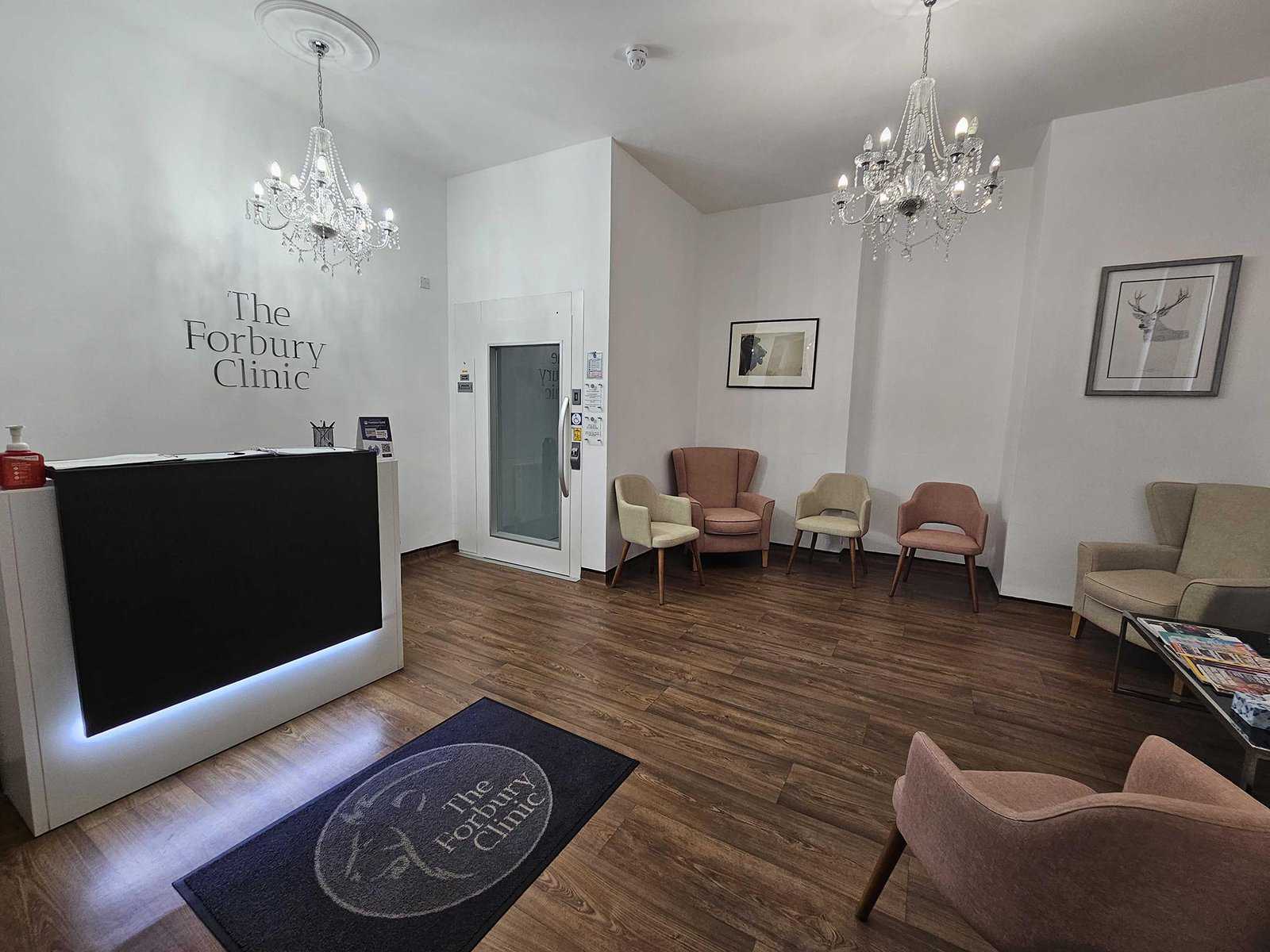
Our consultant dermatologists combine medical expertise with a compassionate approach to patient care. Every assessment and treatment plan is evidence-based, designed to help you move forward with clearer, healthier skin. With a calm, professional environment and access to advanced therapies, you can be confident your skin is in expert hands.