YAG laser capsulotomy is a common and effective procedure used to treat cloudiness that can develop after cataract surgery. This treatment restores clear vision by addressing posterior capsule opacification (PCO), a condition that affects many patients following lens replacement. Understanding what YAG laser capsulotomy involves, when it is needed and what to expect can help you feel confident about your eye care. An eye specialist will guide you through diagnosis and treatment to ensure the best outcomes.
What Is YAG Laser Capsulotomy?
YAG laser capsulotomy is a non-invasive laser treatment designed to restore vision after cataract surgery. When the natural lens of the eye is replaced with an artificial intraocular lens, the thin capsule that holds the lens can become cloudy over time, causing blurred vision. YAG laser capsulotomy uses a specialised laser to create a small opening in this cloudy capsule, allowing light to pass through clearly again. It is best suited for patients experiencing vision deterioration due to posterior capsule opacification.
Why It’s Needed After Cataract Surgery
Posterior capsule opacification (PCO) is the most common side effect after cataract surgery. It occurs when residual lens cells grow on the capsule behind the artificial lens, causing cloudiness similar to the original cataract. This clouding can develop months or years after surgery, leading to symptoms like blurred vision and glare. YAG laser capsulotomy effectively treats PCO by removing this obstruction without the need for further surgery.
How the YAG Laser Works
The YAG laser precisely targets the cloudy area of the posterior capsule and creates a small opening. This opening restores the normal passage of light to the retina, rapidly improving vision. The laser treatment is painless, does not involve incisions and is performed under local anaesthesia with eye drops.
When Do Patients Need YAG Laser Capsulotomy?
Common Symptoms of PCO
Patients with posterior capsule opacification often notice blurry or cloudy vision that gradually worsens. They may also experience glare or halos around lights, difficulty reading or reduced contrast sensitivity. These symptoms indicate that the capsule cloudiness is interfering with clear vision and that YAG laser capsulotomy may be necessary.
Diagnosis by an Eye Specialist
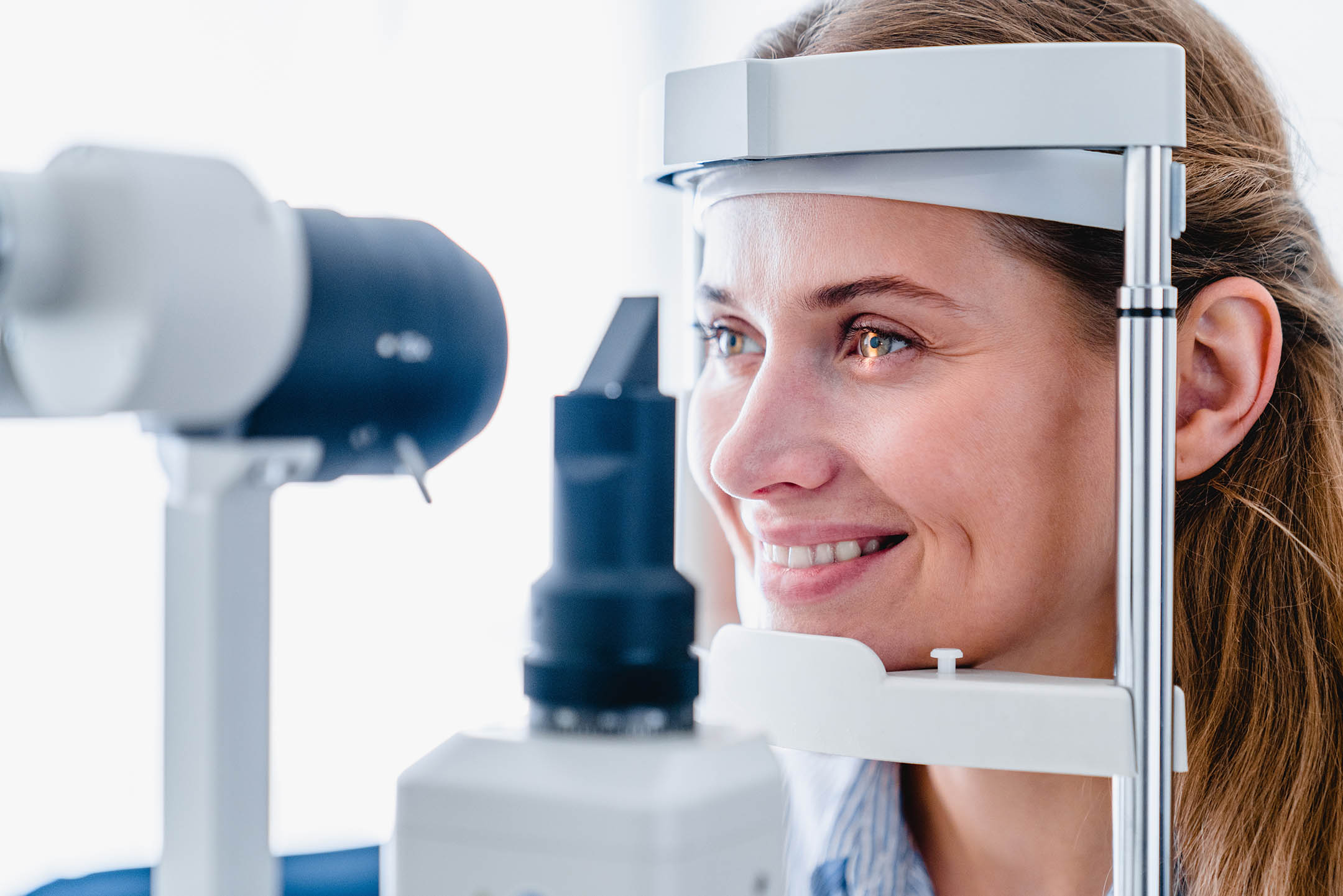
An eye specialist uses a slit-lamp examination to inspect the back of the lens capsule and confirm the presence of PCO. This detailed assessment helps determine whether YAG laser treatment is appropriate based on the severity of the cloudiness and the patient’s symptoms.
The YAG Laser Procedure Explained
Preparation Before the Treatment
Before the procedure, your eye will be dilated with drops to allow the specialist a clear view of the capsule. Additional eye drops may be given to reduce the risk of increased eye pressure after treatment.
During the Procedure
During the procedure at our private eye clinic, you will sit in front of a specialised laser machine. The eye specialist will carefully focus the YAG laser on the cloudy capsule and create a small opening. The process is quick, painless and usually completed in just minutes.
How Long It Takes
YAG laser capsulotomy typically takes only a few minutes. Most patients experience no discomfort during the treatment and can return home immediately afterwards.
Recovery After YAG Laser Capsulotomy
Immediate Effects
Many patients notice improved vision within 24 hours of the procedure. Some may see floaters (small spots or lines drifting in their vision) which usually diminish over time.
Aftercare and Check-Ups
Follow-up appointments with your eye specialist are not usually required following routine yag laser. Eye drops are not usually required post laser treament however may be prescribed to reduce inflammation and support healing if needed.
Risks and Complications
While YAG laser capsulotomy is a common and effective treatment for post-cataract vision issues, it is important to understand that, as with most medical procedures, there are some possible risks and side effects involved.
Possible Side Effects
Common side effects include temporary floaters, a mild rise in eye pressure and slight inflammation. These effects usually only last a few days and do not require routine drops or extra visits in the vast majority of cases.
Rare but Serious Risks
Though rare, serious complications such as retinal detachment or swelling of the macula can occur. Prompt review is provided in the unlikely event you do notice any problems.
Benefits of YAG Laser Capsulotomy
Quick and Effective
YAG laser capsulotomy offers immediate restoration of visual clarity and sharpness, allowing patients to resume normal activities quickly.
Long-Term Success
Most patients do not require repeat treatment. The procedure very often provides lasting improvement in vision after cataract surgery.
When to See an Eye Specialist
Warning Signs Post-Cataract Surgery
If you experience persistent blurriness, glare or difficulty seeing clearly after cataract surgery, these may be signs of PCO requiring evaluation.
Early Consultation Matters
Timely assessment and treatment with YAG laser capsulotomy can restore vision effectively and prevent unnecessary struggles with daily life.
Clear Vision Restored with YAG Laser Capsulotomy
YAG laser capsulotomy is a safe, quick and effective solution for post-cataract cloudiness. With expert guidance from an eye specialist, diagnosis and treatment can be tailored to your needs, helping you regain clear vision and improve quality of life.
To explore YAG laser capsulotomy and other advanced eye care options, contact The Forbury Clinic’s private care clinic today.