YAG laser treatment is a common procedure in ophthalmology, especially for treating posterior capsule opacification (PCO), a frequent complication after cataract surgery. This laser treatment helps restore clear vision by removing the cloudy membrane that can develop behind the artificial lens implanted during cataract surgery. Understanding the safety profile of YAG laser treatment is important for patients considering this option. Here you will find evidence-based information on the benefits and potential risks of YAG laser treatment, helping you make an informed decision about your eye care.
What Is YAG Laser Treatment?
YAG laser treatment, also known as YAG capsulotomy, is a non-invasive ophthalmology procedure that uses a specialised laser to create a small opening in the cloudy posterior capsule of the lens. This cloudiness, or posterior capsule opacification, can cause blurred or hazy vision – similar to the original cataract symptoms. The laser precisely targets the affected area without damaging surrounding tissues, restoring the passage of light to the retina and improving vision. The procedure is typically quick and performed in an outpatient setting, allowing patients to return to their normal activities shortly after treatment.
Besides treating PCO, YAG laser treatment can also be used for other eye conditions, such as opening a blocked iridotomy or treating certain types of glaucoma. However, its most common application remains the treatment of secondary cataracts following cataract surgery.
Benefits of YAG Laser Treatment
Effectiveness in Restoring Vision
One of the primary benefits of YAG laser treatment is its high effectiveness in quickly restoring clear vision. Many patients notice an improvement in their sight within just hours following the procedure. By removing the cloudy membrane that obstructs light, YAG capsulotomy can significantly enhance visual clarity and reduce glare. It is considered the standard treatment for posterior capsule opacification and has a strong track record of success. Additionally, the procedure can help reduce dependence on glasses or other visual aids that patients may have relied on due to blurred vision. The rapid restoration of sight often leads to improved independence in daily activities such as reading, driving and recognising faces.
Non-Invasive and Quick Procedure
YAG laser treatment is minimally invasive and typically performed as an outpatient procedure. It does not require incisions or general anaesthesia, making it a safer and more convenient option compared to surgical alternatives. The procedure usually takes only a few minutes, with the majority of patients experiencing minimal discomfort. Recovery is rapid, with most people able to resume normal activities within a day. Because it is non-invasive, the risk of infection or complications related to surgery is greatly reduced. The convenience of a quick procedure with little to no downtime means patients can often schedule treatment without disrupting their daily routines. This accessibility and ease of treatment contribute to its popularity and patient satisfaction.
Risks and Potential Complications
Common Side Effects
While YAG laser treatment is generally safe, some mild side effects can occur. These include the appearance of floaters (small spots or lines that drift across your vision), which may be noticed shortly after the procedure. Temporary eye irritation, redness or mild discomfort can also occur but usually resolve quickly without intervention. Some patients may experience slight sensitivity to light or mild inflammation, which typically subsides within a few days. These side effects are usually transient and do not affect the overall success of the treatment. Eye drops may be prescribed to reduce inflammation or discomfort if necessary. It is important for patients to report any persistent or worsening symptoms to their eye specialist promptly.
Rare but Serious Risks
More serious complications are rare but important to be aware of. These include a temporary increase in intraocular pressure (eye pressure), which can be managed with medication and monitoring. In very rare cases, YAG laser treatment may lead to retinal detachment, a condition where the retina pulls away from the back of the eye, requiring urgent medical attention. Other uncommon risks include inflammation inside the eye or damage to the intraocular lens.
Who Is a Suitable Candidate?
YAG laser treatment is suitable for most patients who develop posterior capsule opacification after cataract surgery. It is generally recommended when vision is noticeably affected by the cloudy capsule. Patients with certain eye conditions, such as uncontrolled glaucoma or retinal problems, may require additional evaluation before treatment. Your eye specialist will assess your overall eye health and medical history to determine if YAG laser treatment is appropriate for you.
What to Expect During and After Treatment
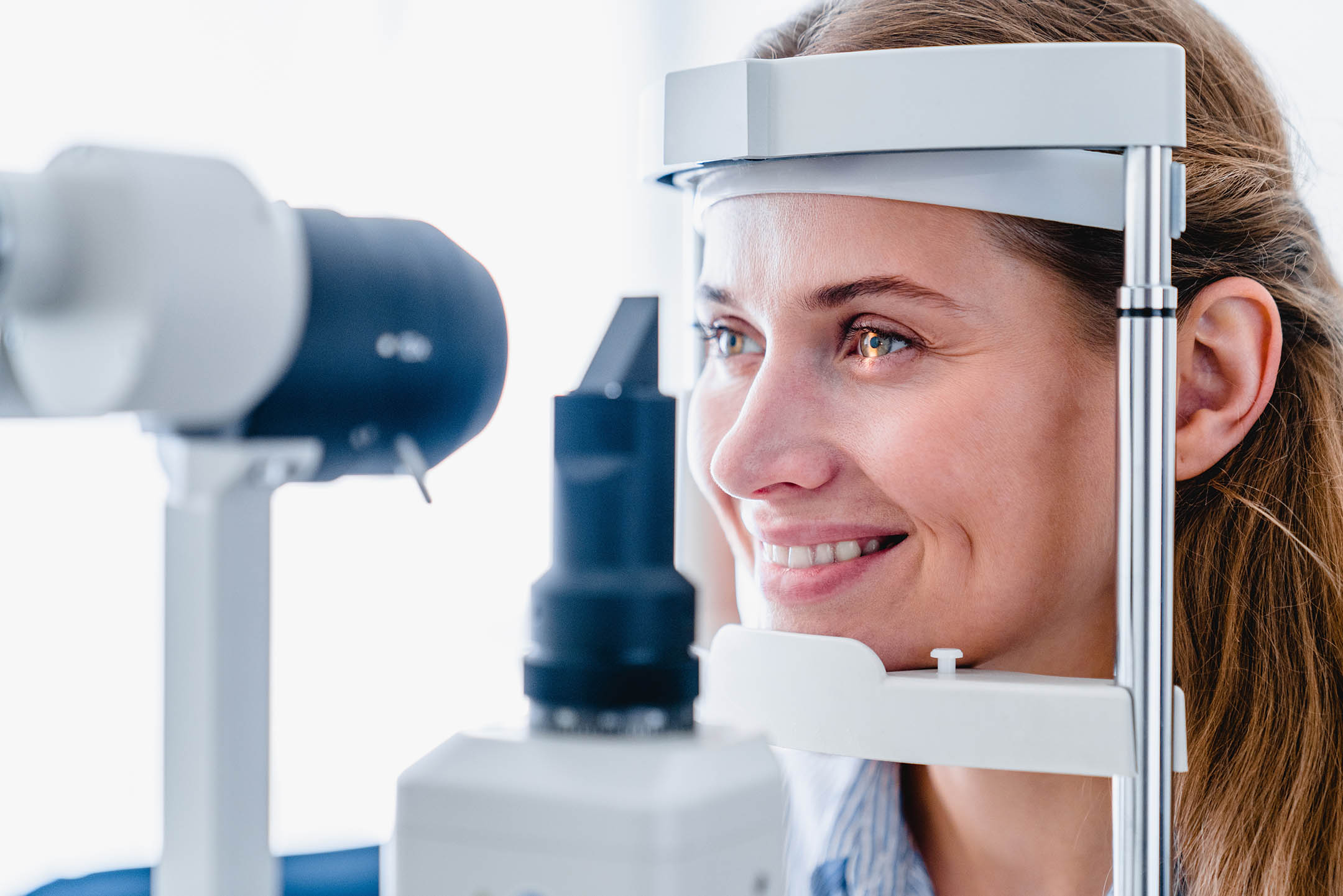
During the procedure, numbing eye drops are applied to ensure comfort. You will sit in front of a specialised laser machine, and the consultant will focus the laser beam on the cloudy capsule to create a small opening. The treatment is often painless and usually completed within minutes.
After the procedure, your vision may be blurry for a few hours, and you also might notice floaters. Most patients can return to normal activities quickly but should avoid strenuous exercise for a short period. Follow-up appointments are important to check eye pressure and ensure proper healing.
Making an Informed Choice
YAG laser treatment is a safe and effective option for restoring vision affected by posterior capsule opacification. Its benefits include rapid visual improvement, minimal invasiveness and a low risk of complications. Understanding both the advantages and potential risks allows you to make an informed decision about your eye care. Consulting with an experienced eye specialist at The Forbury Clinic can provide personalised treatment advice, ensuring the best possible outcome for your vision.
If you are experiencing vision changes after cataract surgery or have concerns about your eye health, contact The Forbury Clinic to discuss whether YAG laser treatment is right for you.