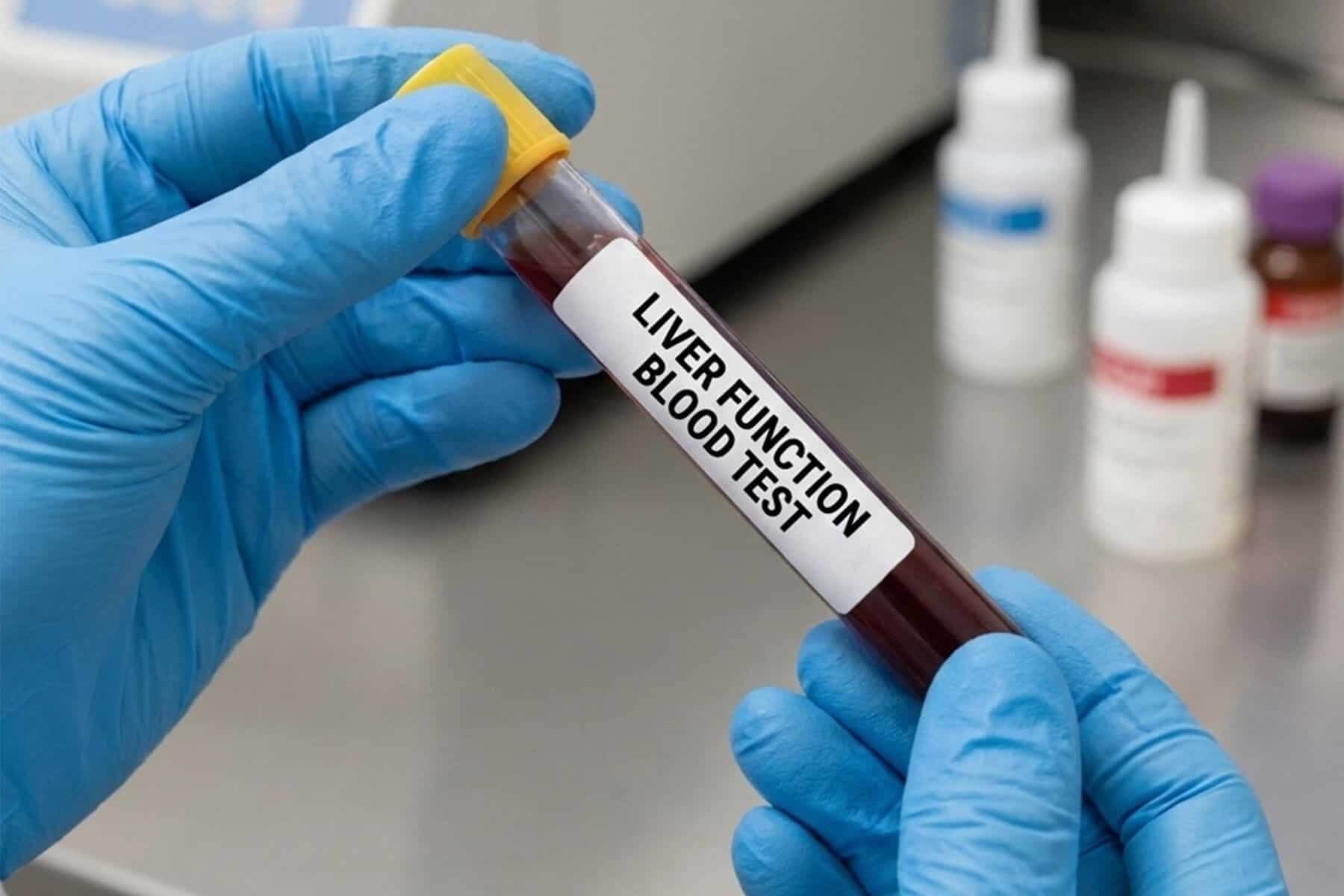
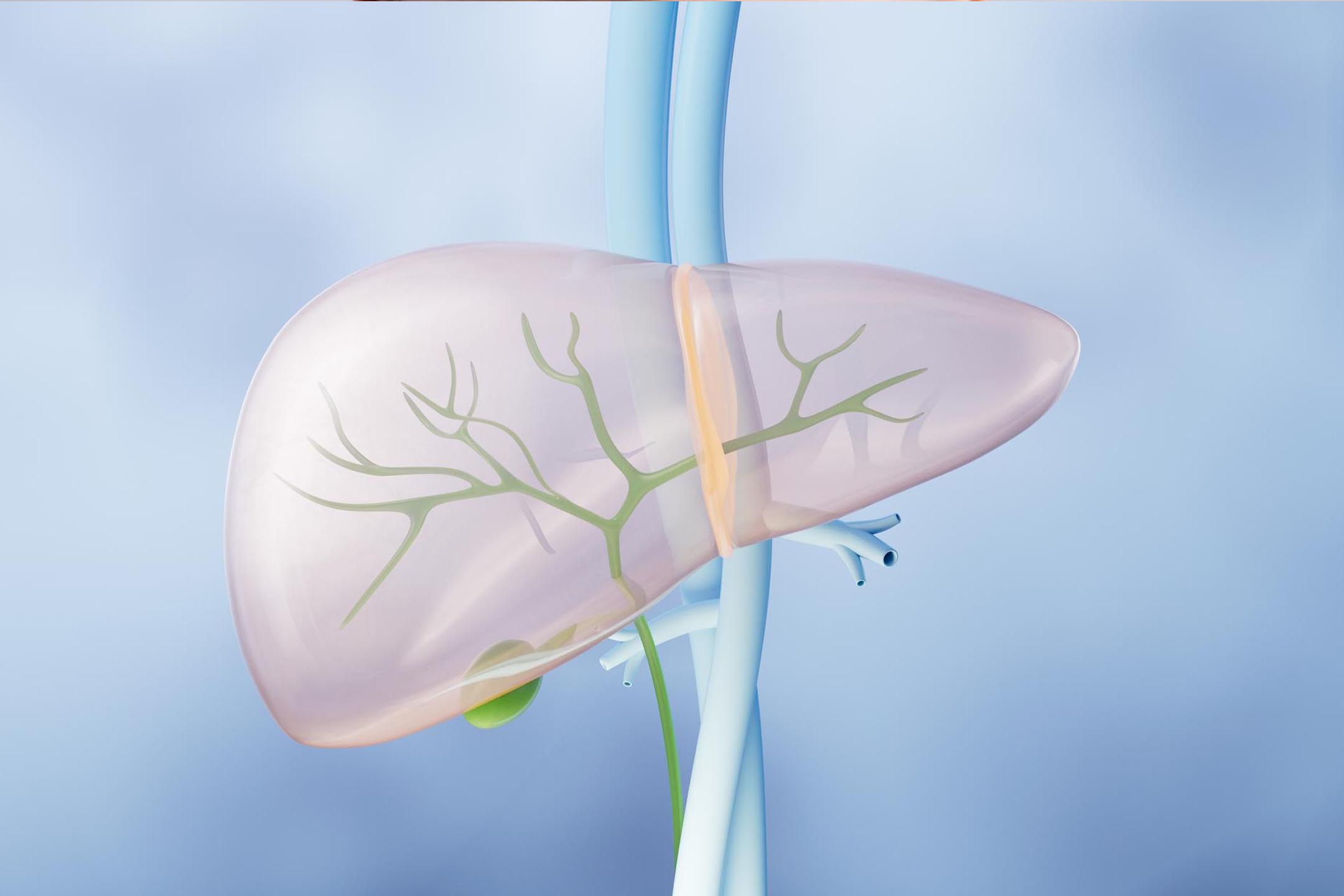
The liver quietly supports hundreds of vital processes, from filtering toxins to balancing hormones and storing energy. Yet liver disease often develops without clear warning signs. Liver function tests are a simple way to check how well this essential organ is working, even when you feel completely fine.
Liver Health In Numbers
Understanding the scale of liver disease helps explain why early testing matters.
Liver disease burden in the UK
Liver disease and liver cancer together cause around two and a half percent of deaths in England. Nearly half of these deaths occur in working‑age adults. Deaths from liver disease have risen by about 400 percent over the past fifty years, while deaths from many other major diseases have fallen.
A common silent killer
Liver disease often advances for years without obvious symptoms. It is now a leading cause of premature death and loss of working life in the UK, with most people who die from liver disease under seventy years old. This pattern of asymptomatic liver disease highlights why early checks are so important.
How often liver tests pick up hidden problems
Abnormal liver blood tests are a frequent finding in primary care, often discovered in people who have no clear liver symptoms. Studies estimate that between fifteen and twenty percent of adults have abnormal liver blood tests. One study found raised alanine aminotransferase (ALT) in about a quarter of adults tested.
Key Markers In Liver Blood Tests
A standard liver panel measures several markers that reflect different aspects of liver health.
Main markers doctors request
A typical liver panel includes bilirubin, albumin, alanine aminotransferase (ALT), aspartate aminotransferase (AST), alkaline phosphatase (ALP) and gamma glutamyl transferase (GGT). These are often checked alongside a full blood count and clotting tests. Guidance recommends this bundle as a first‑line screen when clinicians suspect possible liver disease or need a baseline before treatment.
Patterns that suggest different problems
Raised ALT and AST tend to point toward damage inside liver cells, while a rise in ALP and GGT suggests blockage or pressure in the bile ducts. The balance between markers (rather than a single number) often guides the next step. These ALT AST ALP GGT patterns help doctors decide whether the cause might be fatty liver, infection or another condition.
Why Tests Matter When You Have No Symptoms
Even when you feel well, liver tests can reveal early or silent changes.
Liver damage can build in silence
The liver has a large reserve capacity and can keep working despite long‑standing damage. Normal results are reassuring, but liver function tests can still miss disease at some stages, which is why risk factors and imaging also matter.
Early detection of common causes
Raised liver tests may uncover alcohol‑related liver disease, non‑alcoholic fatty liver linked to weight and diabetes, viral hepatitis or autoimmune liver conditions before they cause illness. Current guidelines focus on people with few or no symptoms because this group is large and often under‑diagnosed.
Monitoring long‑term medicines
Many medicines can affect the liver. Guidance recommends liver blood tests before starting and during treatment for certain anticonvulsants and other long‑term drugs. Regular testing helps clinicians spot problems early and adjust treatment safely.
When A Person Who Feels Well Should Consider Liver Tests
Even without symptoms, some people will benefit from periodic liver checks.
Personal risk factors
People who are overweight, have type 2 diabetes, metabolic syndrome, drink alcohol frequently, or have a close relative with cirrhosis or liver cancer face higher risk. They gain more from periodic liver blood tests. National data show lifestyle‑related liver damage as a major driver of rising death rates.
Past infections and background
Liver screening is often advised for people with previous exposure to viral hepatitis, those who inject drugs, anyone with older tattoos done before strict infection control and migrants from areas with high hepatitis prevalence. Professional guidance supports targeted liver screening in these higher‑risk groups in the UK.
Situations where your clinician may suggest a test
A liver panel is common during general health checks, when body‑mass index or waist size is raised, when ultrasound shows fatty change, when unexplained tiredness or abdominal discomfort persists or when someone needs long‑term medicine that can stress the liver.
How Liver Tests Fit Into A Health Check
Liver blood tests are quick, widely available and easy to include in a routine check‑up.
Booking tests and the process
Liver blood tests are taken from a vein in the arm, either through NHS services or a private clinic. Results usually return within days or weeks. A clinician will explain what the numbers mean and any follow‑up needed.
Reading results in context
Guidance stresses comparing current results with previous tests and interpreting them alongside medical history and examination. How far a result is from the reference range does not always match the seriousness of the problem. Even one slightly raised marker can still signal disease.
Next steps for borderline or abnormal results
Mild changes often lead to repeat tests, checks for alcohol intake, weight and medicines, and sometimes an ultrasound or extended liver screen. Regional guidelines set clear thresholds for referral to specialist liver clinics or further imaging when levels rise or patterns look concerning.
Limits Of Liver Function Tests
Liver blood tests are valuable but not foolproof.
Liver disease with normal bloods
Liver function tests are an important tool but not a perfect safety net. NHS advice notes that results can remain within the reference range even when disease is present, because the liver can tolerate significant damage before function falls. Tests should therefore sit alongside assessment of risk factors, symptoms and imaging.
Why early advice still helps
The main value of testing for people who feel well is the chance to combine early numbers with lifestyle change, vaccination, treatment for viral hepatitis or support for alcohol reduction before the liver reaches a point of no return. Once cirrhosis or liver cancer develop, treatment becomes more complex and survival falls.
Practical Steps To Protect Liver Health
Simple, consistent habits can make a major difference to liver outcomes.
Daily choices that lower risk
Stay within low‑risk alcohol guidance, maintain a healthy weight, stay active, manage diabetes and cholesterol and avoid shared needles. These actions address the main lifestyle drivers of current liver disease trends in the UK.
Using liver tests as a checkpoint
For higher‑risk groups, an agreed testing schedule with a clinician creates regular checkpoints to see whether changes in alcohol intake, weight or treatment are protecting the liver. Liver function tests work best as part of a broader plan to prevent silent liver damage and maintain long‑term health.
Why Early Testing Protects Future Health
Deaths from liver disease in England are rising. Many people with liver disease have few or no symptoms. A large share of adults show abnormal liver results when screened. Liver function tests provide a useful early signal for people with risk factors, guide lifestyle changes that protect the liver and support treatment decisions, even when you feel well.
For anyone wanting reassurance about liver health, our team offers straightforward liver function testing and clear guidance on next steps. Get in touch for expert evaluation and leading care.