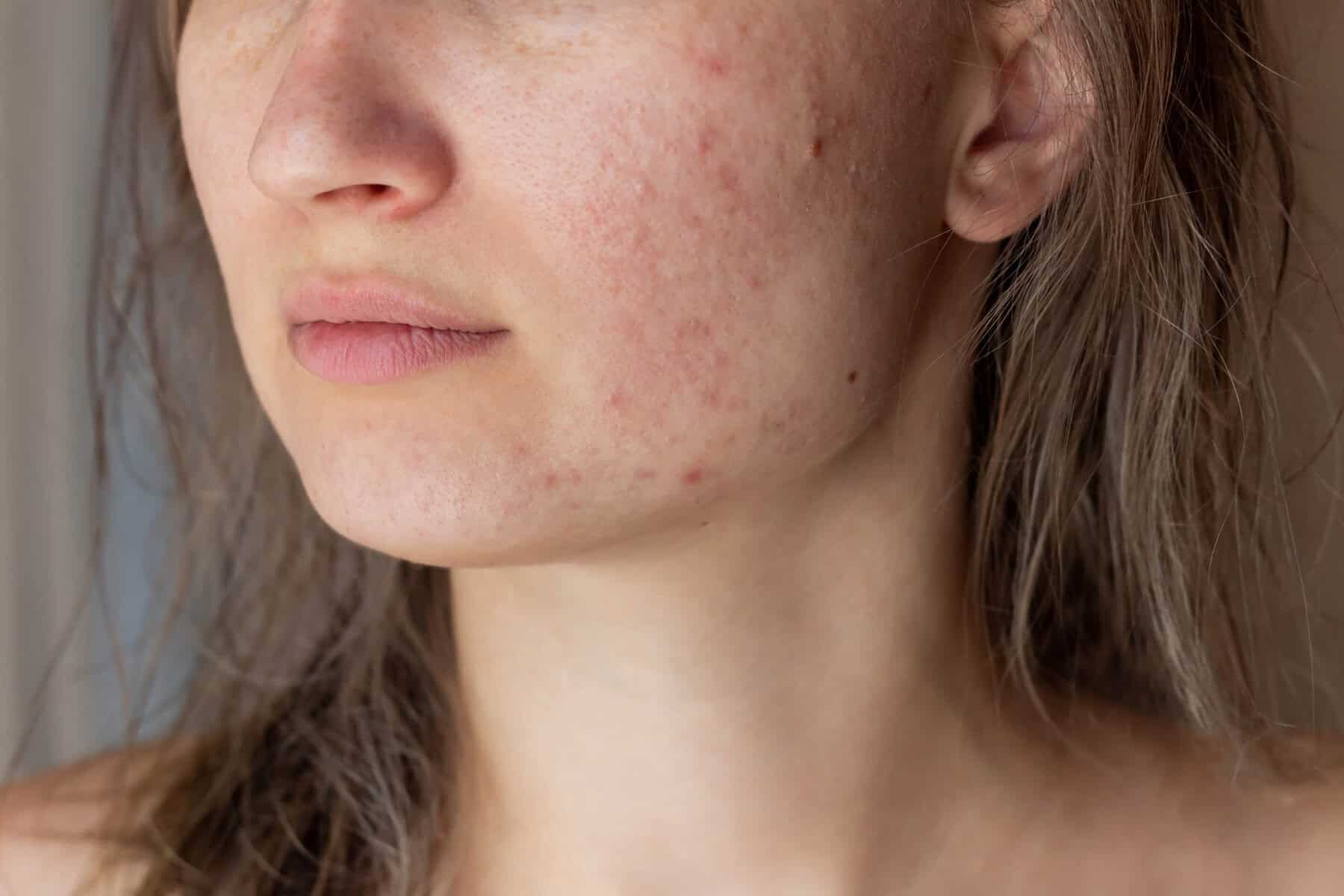
Acne can be frustrating and emotionally draining. Whether you are a teenager navigating breakouts for the first time or an adult dealing with hormonal acne, it can affect confidence and daily life. The good news is that acne is common and treatable. With the right approach, it can be managed effectively and long-term scarring reduced.
What Is Acne?
Acne is a common inflammatory skin condition that affects the hair follicles and oil-producing glands in the skin. These glands produce sebum, an oily substance that helps keep the skin moisturised. When sebum mixes with dead skin cells and becomes trapped in a hair follicle, spots can develop.
Acne typically appears on the face, chest and back because these areas have more oil glands. It can range from blackheads and whiteheads to inflamed red spots and deeper, painful cysts. According to NHS guidance, acne affects most people at some point, particularly during adolescence, but it can continue into adulthood.
What Causes Acne?
Acne develops when several biological processes occur together. It is not caused by dirt or poor hygiene. It is driven by changes within the skin.
Hormones
Hormones play a central role in acne causes. During puberty, levels of androgens increase. Androgens are hormones that stimulate the oil glands, causing them to produce more sebum. This excess oil increases the likelihood of blocked pores.
Hormonal acne can also occur during menstrual cycles, pregnancy or times of stress. In adults, fluctuating hormones are a common reason for persistent acne, particularly along the jawline and lower face.
Excess Oil and Blocked Pores
When excess oil mixes with dead skin cells, it can block the opening of the hair follicle. This blockage forms a plug. If the plug remains closed, it forms a whitehead. If it opens to the surface and oxidises, it becomes a blackhead.
The combination of oil and cell build-up is one of the key drivers of acne.
Bacteria and Inflammation
A bacterium called Cutibacterium acnes naturally lives on the skin. When pores are blocked, this bacterium can multiply within the follicle. The immune system responds, leading to redness, swelling and inflammation.
This inflammatory process is what causes painful, red or cystic spots.
Genetics
There is often a family tendency. If one or both parents had significant acne, you may be more likely to experience it. Genetic factors influence oil production, inflammatory response and skin cell turnover.
Current NICE guidance recognises that acne results from increased sebum production, blocked follicles, bacterial overgrowth and inflammation acting together.
Common Acne Triggers
While acne is not caused by lifestyle alone, certain factors can make breakouts worse:
Stress: Stress hormones can increase oil production and inflammation.
Heavy or pore-blocking skincare: Some cosmetic products can clog pores, especially thick or oily formulations.
Friction: Helmets, tight collars and prolonged mask use can irritate the skin.
Picking or squeezing spots: This increases inflammation and raises the risk of acne scarring.
Certain medications: For example, some steroid treatments or hormonal therapies.
Treatments That Really Work
There are many over-the-counter products marketed for acne. However, evidence-based acne treatment follows clear medical guidelines. The approach depends on severity, skin type and whether scarring is present.
Topical Treatments
Topical treatments include creams or gels applied directly to the skin. These may include:
- Retinoids to reduce blocked pores
- Benzoyl peroxide to reduce bacteria and inflammation
- Combination treatments that target multiple pathways
These are often first-line treatments for mild to moderate acne and are recommended in NICE acne guidance.
Oral Medications
For more widespread or persistent acne, oral medication may be prescribed. Options include:
- Oral antibiotics to reduce inflammation and bacterial growth
- Hormonal treatments, such as the combined oral contraceptive pill, in selected cases of hormonal acne
These treatments are carefully monitored and usually only used for defined periods.
Isotretinoin
Isotretinoin is a powerful oral treatment used for severe or treatment-resistant acne. It works by reducing oil production and inflammation. Because it can have significant side effects, it is prescribed under specialist dermatology supervision with careful monitoring.
For some patients with severe persistent acne, isotretinoin can be life-changing when managed appropriately.
Treating Acne Scarring
Early and effective acne treatment reduces the risk of permanent scarring. Once acne scarring develops, treatments may include medical-grade skin procedures, resurfacing techniques or targeted therapies depending on scar type.
If you are concerned about scarring, early assessment is important. You can find more information about specialist care via our Acne Treatment at The Forbury Clinic page.
When Should You See a Dermatology Consultant?
Many cases of acne respond to pharmacy treatment. However, specialist assessment is advisable if:
- Acne is leaving scars
- Acne is affecting your confidence or mental wellbeing
- There is no improvement after several months of appropriate treatment
- You have painful, cystic or nodular acne
- Acne keeps returning despite treatment
Persistent acne deserves medical support. We provide consultant-led assessment as part of our wider dermatology services at The Forbury Clinic.
If you’d like to discuss your symptoms with a consultant, contact us to speak to our dermatology team.