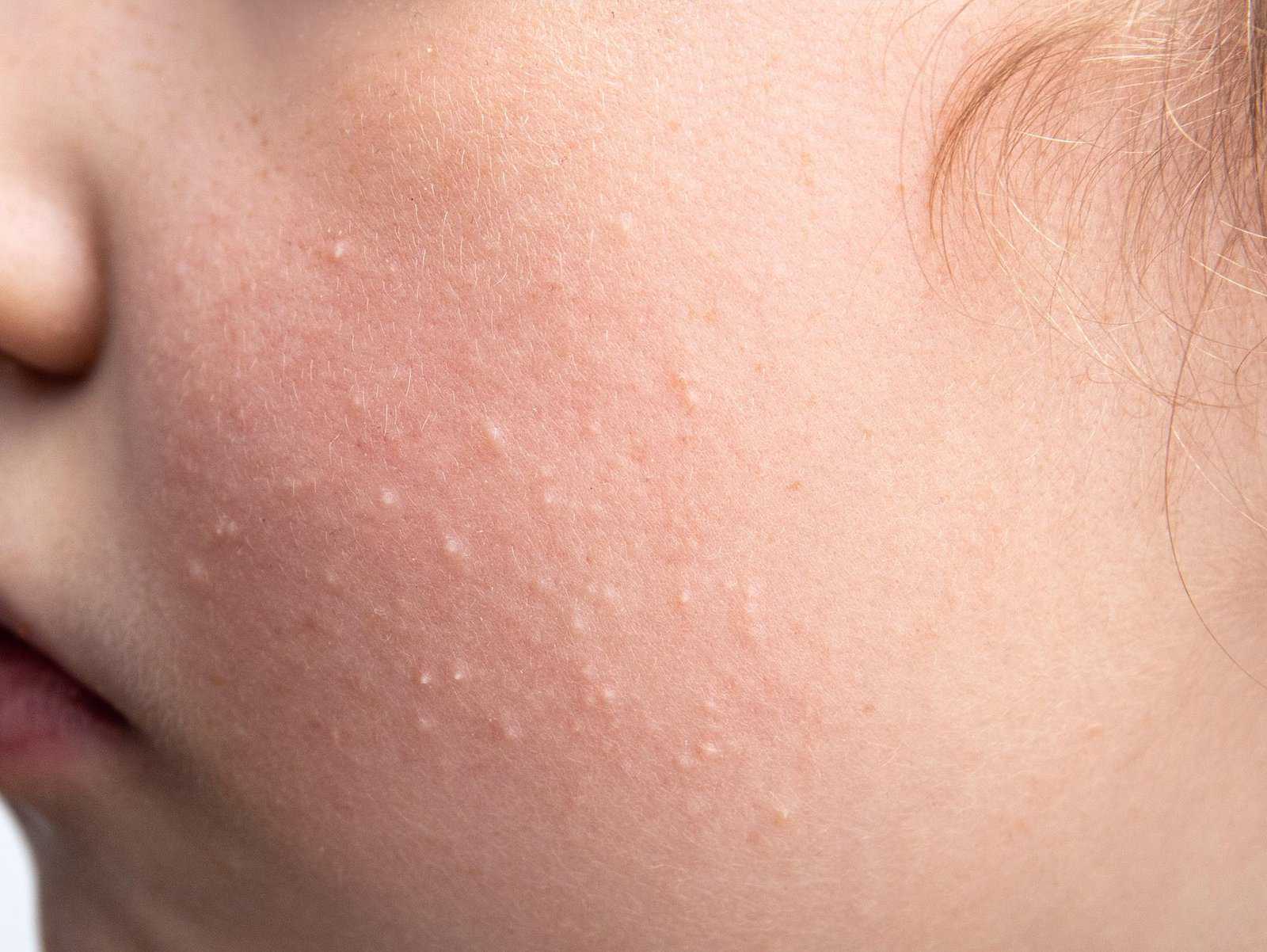
Skin cysts are common and usually harmless, but discovering a new lump under the skin can understandably cause concern. Many people are unsure whether a lump is a simple cyst or something more serious. Accurate skin cyst diagnosis is important before deciding whether removal is needed.
Understanding how skin cysts develop, when they require assessment and what skin cyst treatment involves can help you make informed decisions and seek appropriate care.
What Are Skin Cysts?
A skin cyst is a closed sac beneath the surface of the skin that contains fluid, keratin or semi-solid material. The most common type is an epidermoid cyst, sometimes incorrectly referred to as a sebaceous cyst. These cysts form when keratin, a protein normally found in the outer layer of skin, becomes trapped beneath the surface.
Skin cysts often feel like smooth, round lumps under the skin. They are usually firm but movable and may have a small central opening called a punctum. Most are slow-growing and painless unless they become inflamed or infected.
Common locations include the face, neck, scalp, chest and back. They can occur anywhere on the body but are more frequent in areas rich in hair follicles.
Skin cysts are benign skin lesions and are not contagious. According to NHS guidance, epidermoid cysts are harmless and often do not require treatment unless they cause discomfort or cosmetic concern.
Why Do Skin Cysts Develop?
The exact cause of skin cysts is not always clear, but several recognised factors contribute to their formation.
Blocked Hair Follicles
The most common cause is blockage of a hair follicle. When skin cells move inward instead of shedding normally, keratin can accumulate beneath the skin and form a cyst. This process is not related to poor hygiene and cannot be prevented by excessive washing.
Skin Trauma
Minor skin injury or irritation may disrupt normal skin structure and contribute to cyst development. In some cases, cysts form after acne, small cuts or surgical scars.
Genetic and Associated Factors
Some individuals are more prone to developing skin cysts. They may occur more frequently in certain inherited conditions, although most people with cysts have no underlying medical disorder. The British Association of Dermatologists confirms that epidermoid cysts are common and benign in the general population.
Most cysts develop sporadically and do not indicate serious illness.
How Are Skin Cysts Diagnosed?
In the majority of cases, skin cyst diagnosis is made through clinical examination. A dermatologist assesses the lump’s size, shape, mobility and surface features. The presence of a central punctum and the feel of the lesion often help confirm the diagnosis.
Imaging tests are rarely required. Most skin cysts have characteristic features that allow confident diagnosis during a consultation.
However, further investigation may be recommended if:
- The lump grows rapidly
- There is persistent bleeding
- The surface becomes ulcerated
- The lesion feels unusually firm or fixed
- The diagnosis is uncertain
In these situations, specialist evaluation is essential. Our consultant-led dermatology services provide structured assessment and, where necessary, further investigation.
Occasionally, lesions that resemble cysts may represent other skin conditions. For this reason, concerning features may prompt review in the context of potential skin malignancy. More information about warning signs is available on our page covering Skin Cancers (BCC) and Squamous Cell.
NICE guidance supports prompt assessment of suspicious skin lesions to ensure appropriate referral and management.
In most cases, however, a skin cyst remains a straightforward and benign diagnosis.
When Do Skin Cysts Need Treatment?
Not all skin cysts require removal. Many are safely monitored if they are small, painless and not changing in appearance.
Skin cyst treatment is typically considered when:
- The cyst becomes painful or tender
- Recurrent infection develops
- There is repeated inflammation
- The cyst enlarges significantly
- It causes discomfort due to location
- There is diagnostic uncertainty
Some patients also request removal because of cosmetic concerns or irritation from clothing. Decisions about treatment are made following careful clinical discussion.
Skin Cyst Treatment Options
Treatment choice depends on the size, location and condition of the cyst. Consultant assessment ensures that removal is appropriate and that the correct method is chosen.
Conservative Management
If a cyst is small and asymptomatic, monitoring may be recommended. Patients are advised not to squeeze or attempt to drain the cyst themselves. Manipulation can increase inflammation and infection risk.
Treatment of Infected Cysts
When a cyst becomes infected, it may appear red, swollen and painful. In such cases, oral antibiotics may be prescribed. If an abscess forms, incision and drainage may be necessary to relieve pressure.
It is important to understand that drainage alone does not remove the cyst wall. Without complete removal, recurrence is possible.
Surgical Removal
Definitive skin cyst treatment usually involves complete surgical excision under local anaesthetic. The entire cyst sac is removed to reduce the risk of recurrence. This is typically performed as a minor procedure and does not require hospital admission.
Histological examination may be arranged if there is any diagnostic uncertainty. For more information about procedural options, visit our Cysts page, which outlines removal pathways within our dermatology clinic.
Most patients return to normal activity shortly after the procedure, following appropriate aftercare guidance.
What to Expect at a Dermatology Appointment
A dermatology consultation begins with a detailed clinical assessment. The dermatologist examines the lesion, discusses its history and reviews any associated symptoms such as pain or recent change.
If the diagnosis is clearly a benign skin cyst, treatment options are discussed in a measured and transparent way. Risks, benefits and alternatives are explained carefully.
If the diagnosis is uncertain, further investigation or biopsy may be recommended. The priority is always accurate diagnosis and patient safety.
Are Skin Cysts Dangerous?
The vast majority of skin cysts are harmless. They do not spread and do not become cancerous. However, any skin lump that changes rapidly, bleeds unexpectedly or develops ulceration should be reviewed promptly.
Accurate skin cyst diagnosis is central to safe management. While most lumps prove benign, specialist evaluation provides clarity and peace of mind.
Consultant-Led Assessment Provides Reassurance
Skin cysts are common and typically benign. Correct clinical assessment ensures that harmless lesions are distinguished from those requiring further attention. Skin cyst removal is usually straightforward and performed safely under local anaesthetic.
Structured, consultant-led dermatology care reduces uncertainty, minimises recurrence risk and provides clear guidance shaped aroundthe individual.
Contact us if you would like a consultant dermatologist to assess a skin lump or discuss skin cyst treatment options. Our dermatology specialist will guide you through the most appropriate next step.