Prostate cancer is one of the most significant health issues facing men today. Yet many men remain unsure when to get checked or what the PSA blood test really means. Building prostate cancer awareness is not about creating fear but about helping men understand their personal risk and make informed choices regarding their wellbeing.
Prostate Cancer Risk In Men Over 40
Understanding how common prostate cancer is (and who faces the highest risk) can help men take timely action.
The scale of prostate cancer in the UK
Prostate cancer is now the most common cancer in men in the UK, with around 50,000 to 60,000 men diagnosed each year and more than 12,000 deaths. This represents roughly one in four new male cancer cases. About one in eight men will develop prostate cancer during their lifetime.
Who faces the highest risk
Risk rises strongly with age, especially after 50. Black men’s prostate cancer risk is about double that of other men: around one in four are expected to develop the disease. They are also more likely to be diagnosed at a later stage. Having a father or brother with prostate cancer, or close relatives with certain breast cancers, also increases risk.
Survival when cancer is found early
Ten‑year survival for prostate cancer in the UK is above 80 to 85 percent, and much higher when the cancer is found while still inside the prostate. Survival falls sharply once it has spread beyond the gland.
The Test Men Over 40 Hear About: The PSA Blood Test
The PSA blood test is the most commonly known prostate test over 40, but understanding what it can and cannot show is essential before deciding to have it.
How the PSA test works
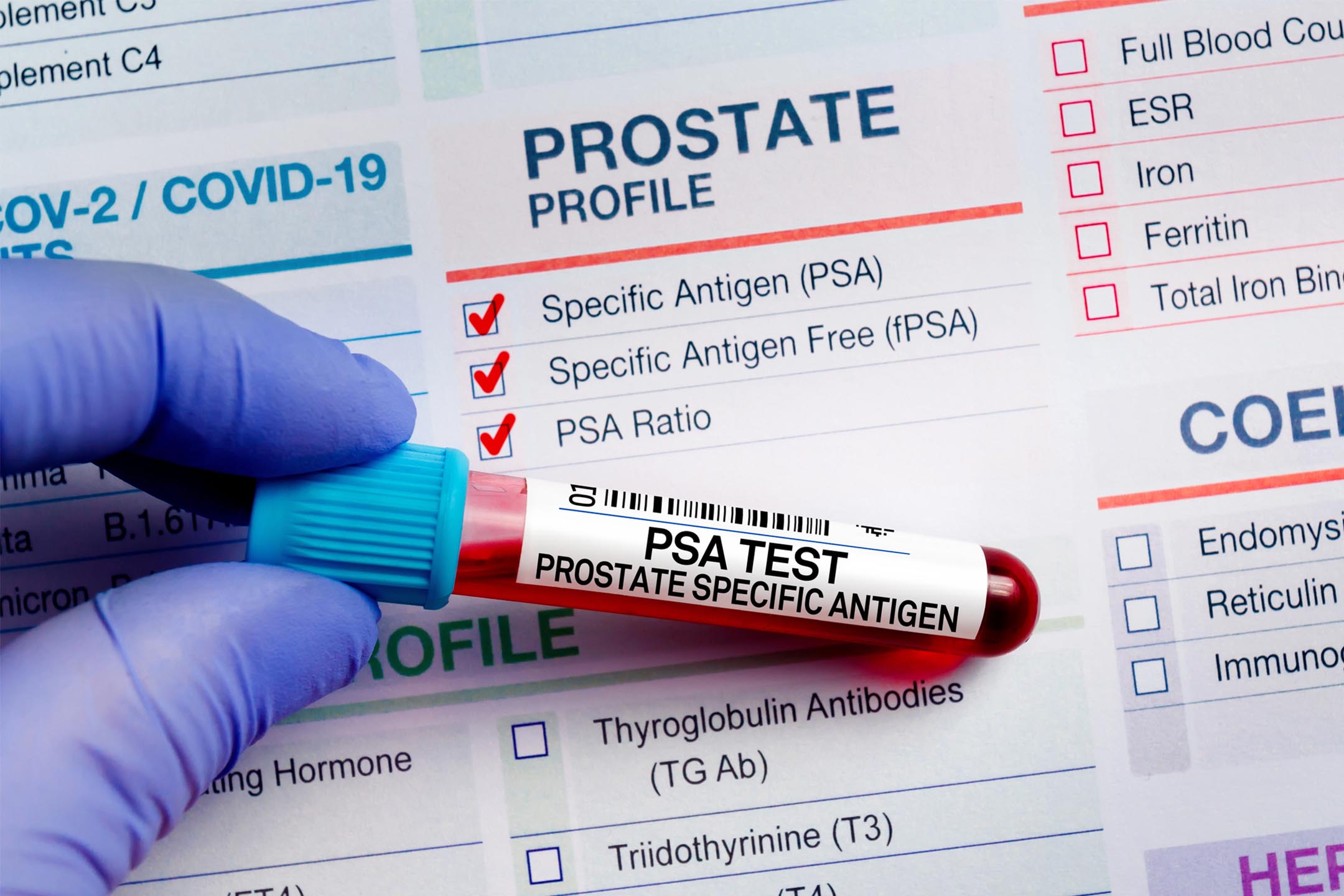
Prostate‑specific antigen (PSA) is a protein made by cells in the prostate. A small amount is always present in the blood. A simple blood test measures the level. A raised PSA does not always mean cancer. Many men with raised levels have benign conditions, and some men with cancer even have PSA within the reference range.
Benefits of PSA testing
A PSA test can help detect prostate cancer before symptoms appear and can highlight faster‑growing cancers at a stage when treatment may cure the disease. It also provides a baseline for future comparison and helps guide decisions about scans and follow‑up.
Limits and risks of PSA testing
Many men with a raised PSA do not have cancer, which can lead to worry, repeat tests, scans and biopsies that turn out negative. The test can also miss cancer. Leaflets suggest around one in seven men with a normal PSA may still have prostate cancer, and a smaller group may have a fast‑growing form. Overdiagnosis is another risk, where slow cancers that might never cause harm are found and sometimes treated unnecessarily. These are key PSA test pros and cons to weigh up with a GP.
When Men Over 40 Should Talk To A GP About Testing
There is no single rule for when to test, but there are clear points when a GP PSA discussion makes sense.
Age‑based guidance and real‑life practice
Current UK guidance does not offer routine prostate cancer screening for all men in the UK. Instead, any man aged 50 or over with a prostate can ask his GP for a PSA test after a balanced discussion of pros and cons. Black men and those with a strong family history are encouraged to start that conversation earlier, often from 45.
Symptoms that need prompt assessment
Urinary changes should not be ignored. These include a weak flow, needing to pass urine more often, getting up at night more than usual or feeling the bladder does not empty fully. Red‑flag signs include blood in urine or semen, new problems with erections or unexplained bone pain. These symptoms do not always mean cancer, but they do mean a GP visit is necessary.
Questions to ask before agreeing to a PSA test
Before testing, ask your GP how high your personal risk is given your age, ethnicity and family history. Discuss the possible benefits, what extra tests might follow if PSA is raised, and how often you might need repeat tests. Also ask what happens if the test is normal but symptoms appear later.
What Happens When You Have A PSA Test
Knowing what to expect can make the process less daunting.
The clinic visit and examination
The clinician will take a brief medical history, check medicines and ask about urinary and sexual symptoms. They may carry out a rectal examination to feel the back of the prostate for lumps or areas that feel firm or irregular. This examination is quick and should always be done with consent and privacy.
The blood test and getting results
The PSA sample is taken from a vein in the arm, like other blood tests. No special preparation is usually needed, though men may be asked to avoid ejaculation, vigorous cycling or urinary infections near the time of the test as these can affect the level. Results are reported as a number with an age‑related reference range.
Next steps after an abnormal PSA
If the PSA is higher than expected, the next steps may include repeating the test after a few weeks, using risk calculators that combine PSA with age, examination findings and family history, and arranging an MRI scan of the prostate. Suspicious areas on MRI can lead to targeted biopsies. Some NHS hospitals are now trialling artificial‑intelligence tools to speed up MRI reading and prioritise men who need biopsy.
Other Checks That Sit Alongside PSA
The PSA test is only one part of the assessment. Other checks help build a clearer picture.
Rectal examination and symptom review
Even with modern tests, a rectal examination and full symptom review still matter. Some aggressive cancers may not raise PSA much, while others may alter the feel of the gland. A clear history and examination also help rule out other causes of urinary symptoms such as benign enlargement.
MRI and new imaging tools
Multiparametric MRI can show suspicious areas inside the prostate before any biopsy. This approach reduces the number of men who need biopsies and focuses samples on the most worrying zones. Research into AI support for scan reading aims to shorten waiting times.
Genetic and saliva‑based tests on the horizon
Research is under way on saliva and genetic tests that look at inherited risk markers for prostate cancer. Early studies suggest these may help target screening to men at highest risk and detect more aggressive cancers while avoiding some false positives from PSA alone. These tests are promising but not yet standard care.
Why There Is A Debate About Screening
The question of national screening remains complex.
Why there is no national screening programme yet
Large trials show PSA screening can reduce deaths from prostate cancer, but at the cost of overdiagnosis and treatment side effects such as erection problems and continence issues in men whose cancer might never have caused trouble. The UK has judged that a blanket screening programme could do more harm than good with current tests, so there is no automatic invite like there is for bowel or breast cancer.
Focus on men at highest risk
Charities, clinicians and policy makers are now exploring targeted screening for groups such as black men and those with strong family history, who face higher risk and more late‑stage diagnoses. Recent reports highlight this inequality and call for updated guidance.
Making an informed choice today
Men do not need to wait for a national programme to act. Current guidance gives men aged 50 and over (and earlier for those at higher risk) the right to discuss and request a PSA test as long as they understand the pros and cons. Official leaflets support shared decision‑making between men and their GP.

Practical Steps For Men Over 40
Awareness is most useful when it leads to practical action.
A simple, age‑based action plan
From the early forties, men should learn their family history, know their personal risk and pay attention to urinary changes. From about 45, black men and those with a strong family history should speak to a GP about risk and whether to test. From 50, all men with a prostate can ask for a PSA test after an informed discussion, even if they have no symptoms.
Everyday habits that support prostate health
Simple lifestyle steps support general health and may help lower risk: stay active, maintain a healthy weight, avoid smoking and limit alcohol. Obesity and inactivity appear linked to a higher chance of advanced prostate cancer, so weight control and regular movement matter.
Talking about prostate cancer at home and with your GP
Conversations about prostate health should not be taboo. Talk with partners, relatives and friends about family history and symptoms. Prepare for GP visits by noting any changes and questions about PSA. Early, honest discussion often makes the difference between a small local cancer that can be cured and a late‑stage diagnosis that is harder to treat.
The Test Every Man Over 40 Should Understand
Prostate cancer is common. Risk climbs with age and is higher in black men and those with family history. The PSA blood test is not perfect and is not used as a blanket national screen, but it remains the main starting point for detecting prostate cancer early. The key is not for every man to rush into testing, but for every man over 40 to know their risk, understand what the PSA test can and cannot do, and have a clear, informed conversation with his GP about if and when to use it.
If you’re thinking about a prostate check or have questions about testing, contact us today. Our consultants will guide you through your options with clear, personalised advice.