Acoustic Reflex Test
Our experienced audiologists at The Forbury Clinic carry out acoustic reflex testing as part of a comprehensive audiology service. The test is quick, non-invasive and provides valuable information about how your ears and nervous system respond to sound stimulation.
What is an Acoustic Reflex Test
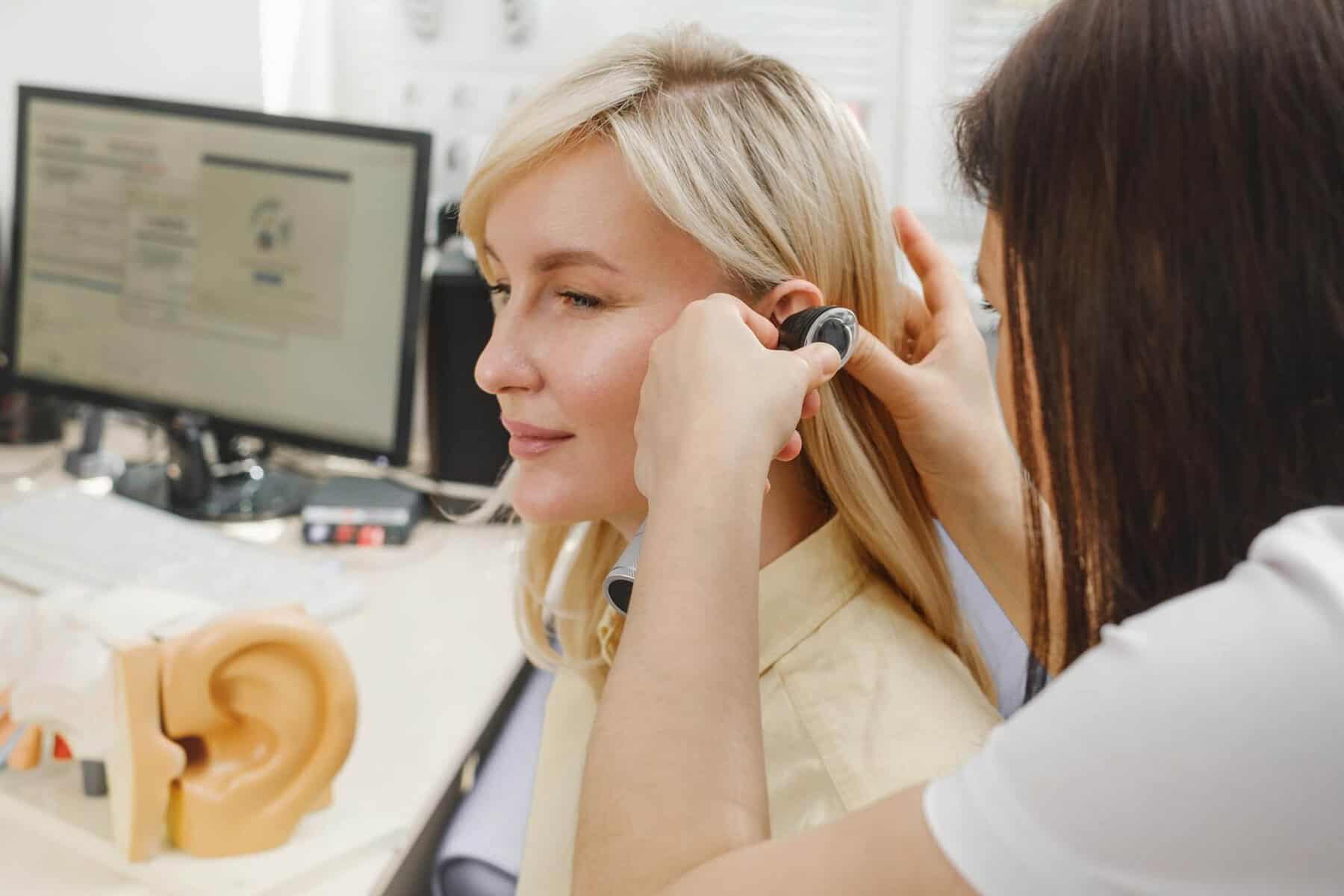
An acoustic reflex test is a specialised hearing assessment used to evaluate how the middle ear muscles respond to sound. It helps audiologists assess the integrity of the hearing pathway, including the ear, auditory nerve and brainstem connections. This test is often performed alongside other hearing investigations to provide a more complete understanding of auditory function.
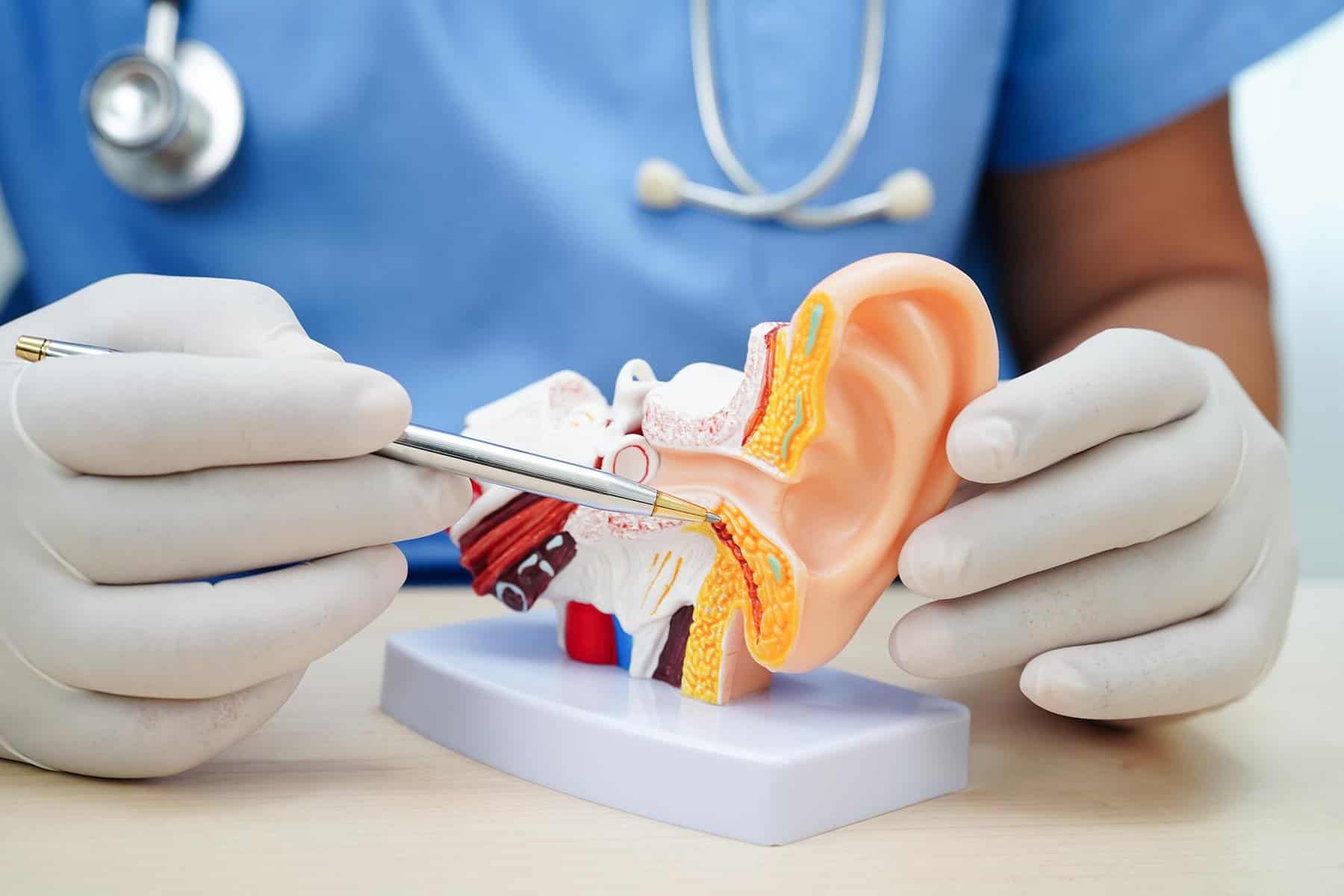
When a loud sound enters the ear, a tiny muscle called the stapedius contracts to reduce the transmission of sound energy to the inner ear. This protective response helps shield delicate structures from damage.
An acoustic reflex test measures whether this reflex is present and functioning normally. It is often performed as part of a broader hearing test, especially if there are concerns about nerve-related hearing issues, asymmetrical hearing loss or middle ear problems.
How Does an Acoustic Reflex Test Work?
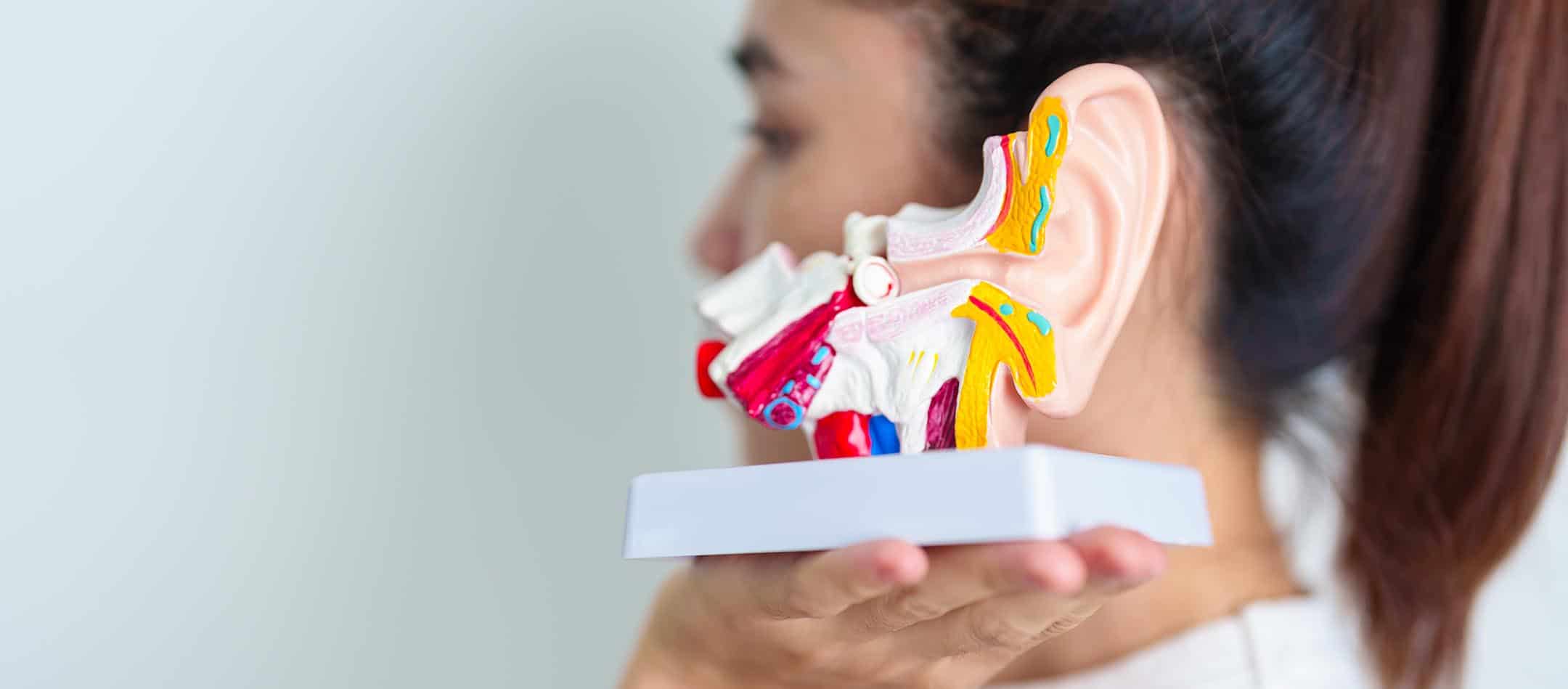
During the test, a small soft probe is placed in the ear canal. This probe delivers controlled sound tones while also measuring changes in pressure within the middle ear.
When the stapedius muscle contracts in response to a loud sound, it slightly stiffens the eardrum and middle ear system. The equipment detects this subtle change and records whether the acoustic reflex occurs at expected sound levels.
The test does not require active participation beyond remaining still, and no response from you is needed.
What Does an Acoustic Reflex Test Show?
An acoustic reflex test provides information about:
- The function of the middle ear muscles
- The integrity of the auditory nerve
- Neural pathways within the brainstem
- The presence of certain types of hearing loss
If the reflex is absent or occurs at unusual sound levels, it may indicate conductive hearing loss (related to the outer or middle ear) or sensorineural hearing loss (affecting the inner ear or nerve). It can also help identify rare neurological conditions affecting the hearing pathway.
What Do Normal Results Look Like?
In individuals with healthy auditory systems, the acoustic reflex is triggered at predictable sound intensities, usually between 70 and 100 decibels above hearing threshold.
Normal results show a measurable reflex response within this expected range. Your audiologist will interpret findings alongside other results, such as pure tone audiometry and tympanometry, to build a complete hearing profile.
How Long Does the Test Take?
The acoustic reflex test usually takes around 10 to 15 minutes as part of a full hearing assessment. It is painless and well tolerated, though you may hear brief loud sounds during the measurement. Results are available immediately for discussion.
Is This Test Suitable for Children?
Yes. Because the test does not require verbal responses, it is suitable for both adults and children, including young children who may not yet reliably respond to conventional tone testing. It is frequently used in paediatric audiology to assess middle ear and neural function.

Acoustic Reflex Test FAQs
- Is an acoustic reflex test uncomfortable?
The test is generally comfortable. You may notice brief louder tones, but they are controlled and safe.
- Why is an acoustic reflex test performed with other hearing tests?
It complements other assessments by providing objective information about nerve and middle ear function. When combined with an audiogram, it gives a fuller picture of hearing health.
- Can the acoustic reflex detect nerve problems?
Yes. Abnormal reflex responses may suggest issues along the auditory nerve or brainstem pathways. Further investigation may be recommended if results are atypical.
- Do I need to prepare for the test?
No special preparation is required. It is helpful to ensure your ears are free of excessive wax, as this can affect some hearing measurements.
Why Choose The Forbury Clinic?
The Forbury Clinic provides consultant-led audiology services using advanced diagnostic technology in a calm and professional setting. Our audiologists take time to explain every test clearly, ensuring you understand your results and next steps.