Ureteroscopy & Laser Stone Removal, London
Ureteroscopy is a minimally invasive treatment for kidney and ureteric stones. A fine telescope is passed through the natural urinary tract to reach the stone directly, where it can be broken into small fragments with a laser and removed.
There is no external incision. The procedure is performed under anaesthetic and may be recommended for stones that are unlikely to pass naturally or are not suitable for shockwave treatment.

What is ureteroscopy?
Ureteroscopy is a keyhole procedure used to treat stones in the ureter or kidney. The ureter is the tube that carries urine from the kidney to the bladder.
During the procedure, a very fine telescope, called a ureteroscope, is passed through the urethra and bladder into the ureter to reach the stone. As the procedure follows the natural urinary tract, no external incision is needed.
Once the stone has been reached, a laser fibre is used to break it into small fragments. These fragments may be removed during the procedure or left small enough to pass naturally in the urine.
Ureteroscopy is carried out under anaesthetic. A ureteric stent, which is a thin internal tube, may be placed temporarily after treatment to support healing and help the ureter drain. If a stent is used, it is removed during a follow-up appointment.
Ureteroscopy can be a suitable option for stones that are unlikely to respond to shockwave lithotripsy. Your consultant will use imaging to assess the size and position of the stone and explain whether this is the right treatment for you.
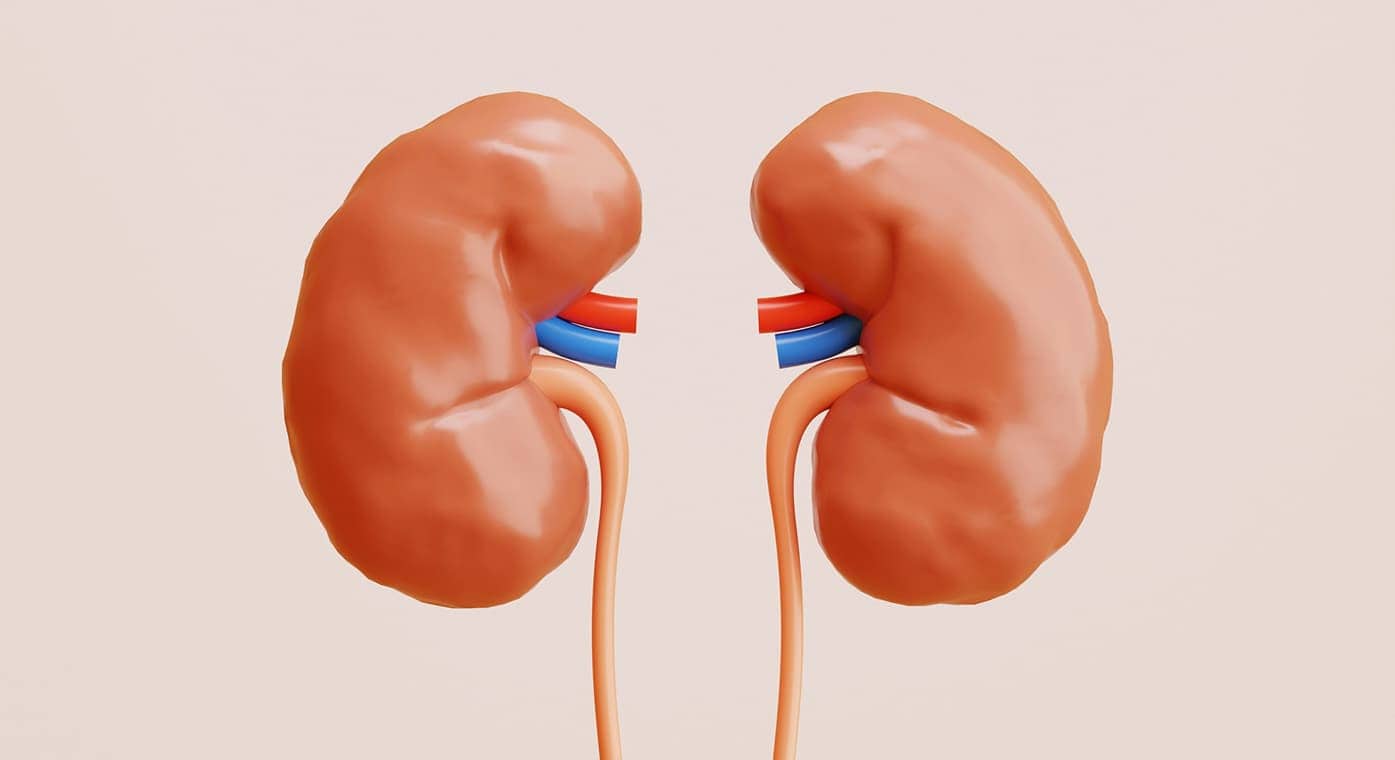
Reach, fragment, remove
Ureteroscopy treats kidney and ureteric stones directly in three stages.
Reaches the stone
A fine telescope is passed through the urethra and bladder to reach the stone, without an external incision.
Laser breaks up the stone
A laser fibre breaks the stone into small fragments that can be removed or left to pass in the urine.
Stent may support healing
A temporary ureteric stent is often placed after treatment to help the ureter drain while it heals. Your consultant will arrange its removal if needed.
Who ureteroscopy and laser may suit
This treatment may be appropriate for people who:
- A stone in the ureter or a suitable stone within the kidney
- A kidney stone that is not suitable for shockwave lithotripsy
- Ongoing symptoms, blockage or infection linked to a stone
- A stone that is unlikely to pass naturally
- Imaging findings that support direct stone treatment
What to expect
- Assessment
Your consultant will review your imaging to establish the size, position and features of the stone, then explain whether ureteroscopy is an appropriate treatment. - The procedure
Ureteroscopy is performed under anaesthetic. The telescope is passed through the natural urinary tract to the stone, where a laser breaks it into fragments. Stone pieces may be removed during the same procedure. - Recovery and stent removal
A temporary stent may be used after treatment. It can cause some bladder symptoms while in place, including urgency or discomfort when passing urine. Your consultant will provide recovery advice and arrange stent removal where required.
Why choose The Forbury Clinic for ureteroscopy in London?
No external incision
Ureteroscopy reaches the stone through the natural urinary tract, without a cut to the outside of the body.
Direct stone treatment
The procedure allows the surgeon to reach the stone directly and break it into smaller pieces using a laser.
A versatile option
Ureteroscopy can treat many ureteric and kidney stones that are not suitable for shockwave treatment.
Consultant-led care in London
Your procedure and follow-up are led by a consultant urologist at The Forbury Clinic, 45 Queen Anne St, London W1G 9JF.
From imaging to stone clearance
Evaluation confirms that ureteroscopy is the most appropriate treatment for your specific stone.
Not every stone requires this approach. Some may pass naturally or be better suited to shockwave therapy or PCNL.
Where indicated, ureteroscopy offers a highly effective and definitive method of stone removal.
Frequently asked questions
Will I have an incision?
No. Ureteroscopy is performed through the urethra, bladder and ureter, so there is no external incision. It is carried out under anaesthetic.
Why might I need a ureteric stent afterwards?
A temporary ureteric stent may be placed to support drainage and allow the ureter to heal after treatment. Your consultant will explain whether a stent is likely to be needed and how long it will remain in place.
How does ureteroscopy compare with shockwave lithotripsy?
Shockwave lithotripsy breaks stones from outside the body and is less invasive, but it is not suitable for every stone. Ureteroscopy reaches the stone directly and may be more appropriate for stones that are larger, in a particular location or unlikely to break up with shockwaves.
What is recovery like after ureteroscopy?
Recovery is often relatively quick, but individual experiences vary. You may have mild burning when passing urine, blood in the urine or bladder symptoms, particularly if a stent is in place. Your consultant will explain what to expect and when to seek advice.
When should I seek urgent medical help after treatment?
Seek urgent medical advice if you develop a high temperature, shivering, severe or worsening pain, are unable to pass urine, have heavy bleeding or feel very unwell.

Ask about ureteroscopy and laser stone removal
If you have a kidney or ureteric stone, ureteroscopy may offer a direct way to treat it. Our consultant urologists can review your imaging and explain whether this procedure is appropriate.
- AppointmentBook a consultation
- Reception0118 920 7055
- Location
The Forbury Clinic London, 45 Queen Anne St, London, W1G 9J