Suprapubic Catheter Insertion in London
A suprapubic catheter, often shortened to SPC, drains urine from the bladder through a small opening in the lower tummy rather than through the urethra. For people who need bladder drainage over a longer period, it may be a more comfortable and discreet option than a catheter placed through the natural urine passage.

What is a suprapubic catheter?
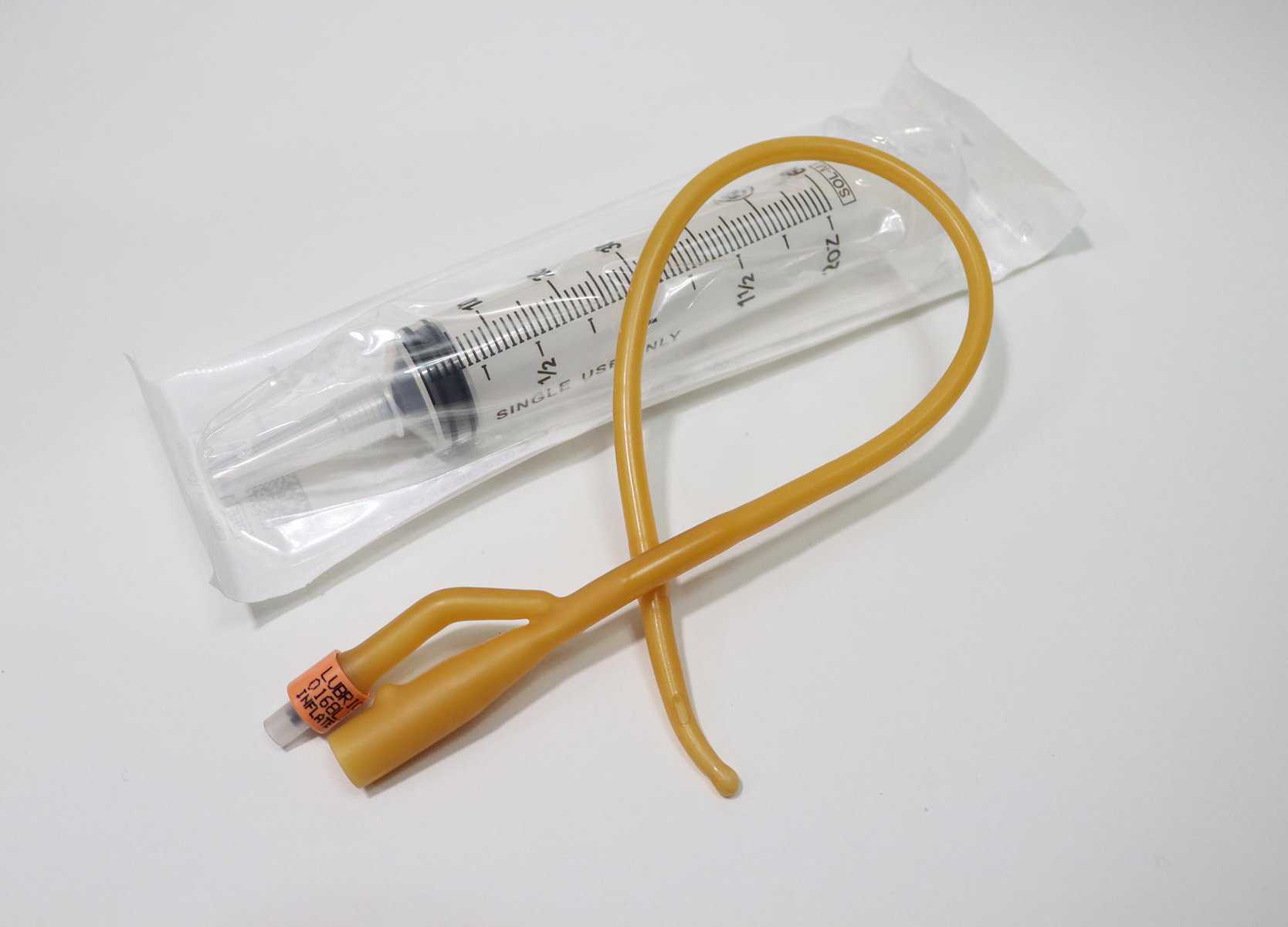
A suprapubic catheter is a thin, flexible tube inserted directly into the bladder through a small opening in the lower abdomen, just above the pubic bone. It allows urine to drain into a bag without using the urethra, the tube that carries urine from the bladder out of the body.
It may be considered when bladder drainage is needed over a longer period. This can be due to difficulty emptying the bladder, after certain operations or when a urethral catheter is causing discomfort, recurrent problems or is not suitable.
Many people find a suprapubic catheter more comfortable for ongoing use. As it leaves the urethra free, it may reduce irritation around the genital area and can make personal care and intimacy easier for some people.
Your consultant will explain whether a suprapubic catheter is appropriate for you and what ongoing care may involve.

The advantages of a suprapubic catheter
When longer-term drainage is needed, a suprapubic catheter may offer several practical benefits.
More comfortable for some people
As the catheter sits in the lower tummy rather than the urethra, it may be better tolerated for longer-term use.
Leaves the urethra free
This can help avoid the irritation or discomfort that a urethral catheter may cause over time.
Straightforward ongoing management
Routine catheter changes can often be arranged simply. With clear guidance, many people become confident managing day-to-day care.
Who a suprapubic catheter may suit
An SPC may be recommended for people who:
- Need bladder drainage over a longer period
- Have difficulty emptying their bladder properly
- Find a urethral catheter uncomfortable or troublesome
- Have been advised that an SPC may be more suitable following assessment
- Need catheter drainage after a procedure or as part of ongoing urology care
What to expect
- Assessment
Your consultant will discuss your bladder symptoms, medical history and current catheter needs, then explain whether suprapubic catheter insertion is an appropriate option. - Insertion
The catheter is placed into the bladder through a small opening in the lower tummy. This is usually carried out as a minor procedure using an appropriate anaesthetic. Your consultant will explain the procedure and any preparation needed. - Ongoing care
You will be shown how to care for the catheter and drainage system. Routine catheter changes and follow-up can be arranged, with advice on what to do if you experience any problems.
Why choose The Forbury Clinic for a suprapubic catheter in London?
An option for longer-term drainage
A suprapubic catheter may be more comfortable than a urethral catheter when bladder drainage is needed over time.
More discreet
The catheter can be kept beneath clothing and away from the genital area, which some people find easier to manage.
Reduces urethral irritation
As urine drains through the lower abdomen, the urethra remains free from an indwelling catheter.
Clear support and aftercare
Your consultant will explain catheter care, arrange routine changes and provide guidance on when to contact the team.
From assessment to ongoing care
Evaluation ensures that bladder drainage is genuinely required and that a suprapubic catheter is the safest option.
Not every patient needing short-term drainage requires an SPC. It is usually chosen when longer-term management is anticipated.
Care does not end at insertion. Ongoing review ensures the catheter remains comfortable and complications are minimised.
Frequently asked questions
Is suprapubic catheter insertion a major operation?
No. It is usually a minor procedure to create a small opening into the bladder and place the catheter. Your consultant will explain the anaesthetic, preparation and recovery that apply to you.
How often does a suprapubic catheter need changing?
This varies depending on the type of catheter and your individual circumstances. Changes are often needed every few weeks to months. Your clinical team will provide a clear plan for your catheter care.
Can I still be intimate with a suprapubic catheter?
Many people find a suprapubic catheter easier to manage during intimacy than a urethral catheter because it leaves the genital area free. Your clinical team can provide practical advice based on your circumstances.
Can I look after the catheter myself?
With the right information and support, many people manage day-to-day catheter care confidently. Your team will explain how to look after the site and drainage bag, and when to seek advice.
When should I seek urgent help?
Seek urgent medical advice if your catheter stops draining and you have bladder pain or swelling, if it falls out, if you develop a high temperature or feel unwell, or if there is heavy bleeding. If you are seriously unwell, call 999 or attend A&E.

Ask about a suprapubic catheter
If you need longer-term bladder drainage, a suprapubic catheter may be a more comfortable or practical option. Our consultant urologists can assess your needs and discuss the appropriate next steps.
- AppointmentBook a consultation
- Reception0118 920 7055
- Location
The Forbury Clinic London, 45 Queen Anne St, London, W1G 9J