Shockwave Lithotripsy for Kidney Stones, London
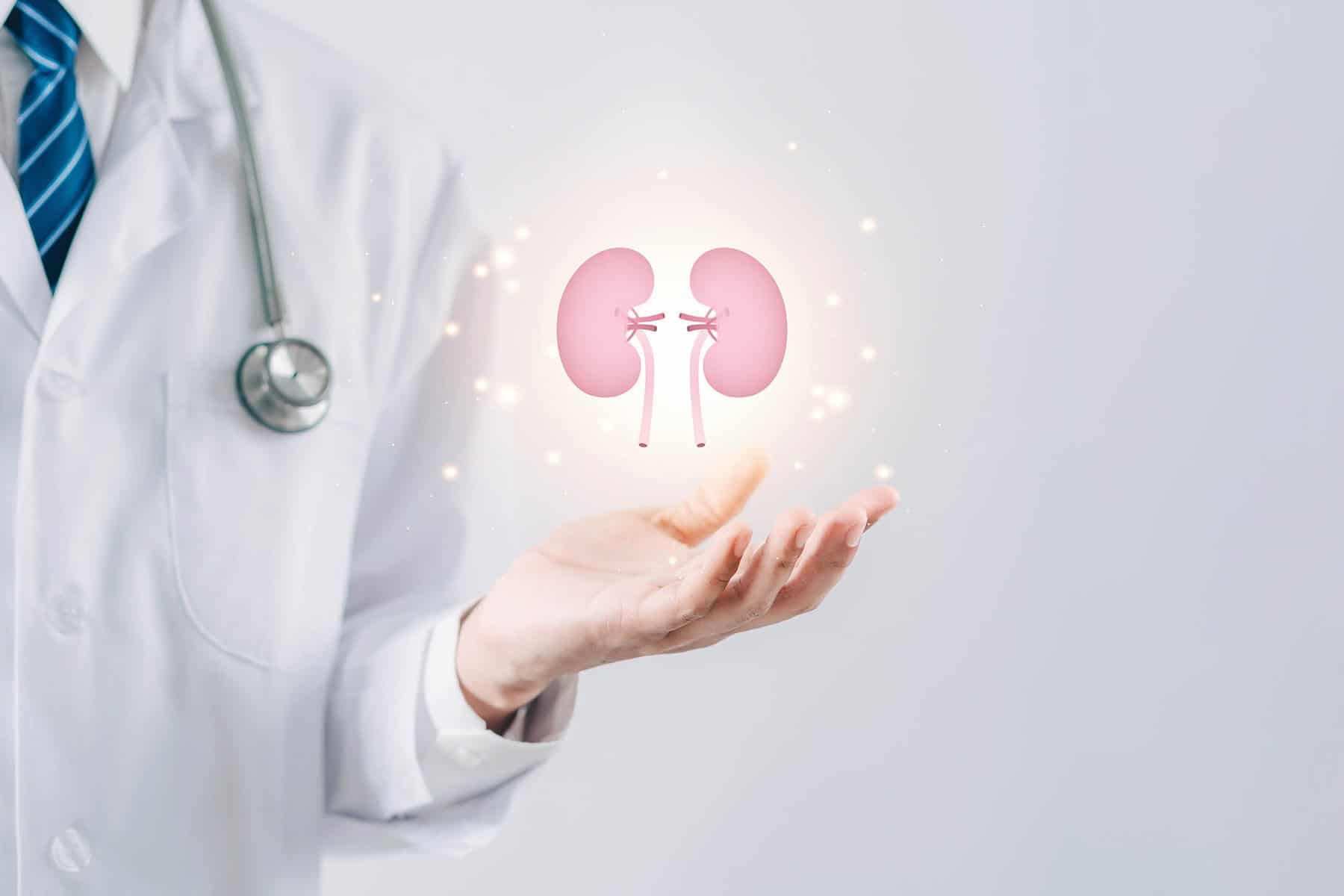
Shockwave lithotripsy, also known as ESWL, is a non-invasive treatment that uses focused sound waves to break a kidney stone into smaller fragments. These can then pass naturally in the urine, without an incision or instruments being passed into the body.
What is shockwave lithotripsy?
Extracorporeal shockwave lithotripsy, known as ESWL, is a non-invasive treatment for kidney stones. Shockwaves are generated outside the body and directed at the stone using imaging guidance. The waves break the stone into smaller fragments that can then pass in the urine.
As no instrument is passed into the urinary tract and no incision is needed, ESWL is one of the least invasive options for treating kidney stones.
It may be suitable for stones of a particular size and location. Your consultant will use imaging to assess your stone and confirm whether shockwave treatment is likely to be appropriate.
During treatment, you lie still while focused shockwaves are delivered to the stone. Some people need more than one session, and it can take time for stone fragments to pass afterwards.
ESWL is not suitable for every kidney stone. Very large, hard or awkwardly positioned stones may be better managed with another treatment, such as ureteroscopy or PCNL. Your consultant will explain which option best fits your circumstances.
Breaking the stone from outside the body
Shockwave lithotripsy treats a kidney stone without entering the body.
Located using imaging
Imaging is used to identify the stone precisely, so the shockwaves can be focused accurately on the area being treated.
Shockwaves break up the stone
Focused waves are delivered from outside the body to fragment the stone into smaller pieces.
Fragments pass naturally
The smaller stone fragments usually pass in the urine over the days or weeks after treatment. Your consultant will provide advice about fluids and what to expect.
Who shockwave lithotripsy may suit
ESWL may be appropriate for people who:
- Have a kidney stone of a size and location suitable for ESWL
- Would prefer to discuss a non-invasive treatment option
- Have a stone confirmed on imaging
- Do not have factors that make shockwave treatment unsuitable
- Have been assessed by a consultant urologist
What to expect
- Assessment
Your consultant will review imaging to confirm the size, location and characteristics of your stone, then discuss whether ESWL is the appropriate treatment. - The treatment
You will lie still while focused shockwaves are delivered to the stone from outside the body. Your consultant will explain what happens during treatment and how any discomfort is managed. - Aftercare
Stone fragments may pass gradually in the urine after treatment. Some people need more than one ESWL session. Your consultant will arrange follow-up and explain when to seek advice.
Why choose The Forbury Clinic for shockwave lithotripsy in London?
Non-invasive approach
ESWL does not require an incision or instruments to be passed into the urinary tract.
Avoids surgery for suitable stones
For stones that are suitable for shockwave treatment, ESWL may avoid the need for a keyhole procedure.
Short recovery period
Many people are able to return to normal activities soon after treatment, although this varies between individuals.
Imaging precision
Imaging helps target shockwaves precisely at the kidney stone.
From imaging to stone clearance
Assessment ensures the correct treatment is selected.
Not every stone is suitable for ESWL. Decisions are based on stone size, composition and location.
Where ESWL is appropriate, it avoids the need for instruments inside the urinary tract and allows natural clearance.
Frequently asked questions
Does shockwave lithotripsy hurt?
You may feel the shockwave pulses during treatment, and there can be some discomfort as stone fragments pass afterwards. Your consultant will explain what to expect and how discomfort can be managed.
Will I need more than one session?
Some people need only one treatment, while others need further sessions to break the stone into fragments small enough to pass. This depends on the size, position and hardness of the stone.
Is ESWL suitable for all kidney stones?
No. Larger, harder or more complex stones, as well as stones in certain positions, may be better treated with ureteroscopy or PCNL. Your consultant will use imaging to recommend the most appropriate option.
What happens to the stone fragments?
The fragments usually pass naturally in the urine over the days or weeks after treatment. Drinking fluids may help, provided your consultant has not advised you to restrict your intake.
When should I seek urgent medical help?
Seek urgent medical advice if you develop severe pain with a high temperature, shivering, vomiting, difficulty passing urine or feel very unwell. These symptoms can indicate an infected or blocked kidney and need prompt assessment.

Ask about non-invasive kidney stone treatment
If your kidney stone is suitable, shockwave lithotripsy may help break it up without surgery. Our consultant urologists can assess your imaging and explain the appropriate next steps.
- AppointmentBook a consultation
- Reception0118 920 7055
- Location
The Forbury Clinic London, 45 Queen Anne St, London, W1G 9J