Robotic Prostatectomy in London
Robotic prostatectomy is a precise, robot-assisted operation to remove the prostate for suitable men with localised prostate cancer. Your consultant will explain whether surgery is appropriate for you, what it involves and how it compares with the alternatives.

What is robotic radical prostatectomy?
Robotic prostatectomy, more fully known as robot-assisted radical prostatectomy, is an operation to remove the prostate gland as a treatment for prostate cancer that is contained within the prostate.
The surgeon carries out the procedure through several small incisions, using a robotic surgical system that translates their hand movements into precise actions. The system provides a magnified view of the area around the prostate, helping the surgeon work carefully around nearby structures.
Where it is safe and appropriate, the surgeon may use a nerve-sparing approach. This aims to preserve the nerves close to the prostate that are involved in erectile function. Whether this is possible depends on the position and extent of the cancer.
Compared with open surgery, robot-assisted surgery involves smaller incisions and may allow a quicker recovery for some men. However, as with any prostate cancer treatment, there are possible effects on urinary control and sexual function. Your consultant will explain these clearly and honestly.
Robotic prostatectomy is one of several treatment options for localised prostate cancer. The decision will depend on your diagnosis, general health and personal priorities.
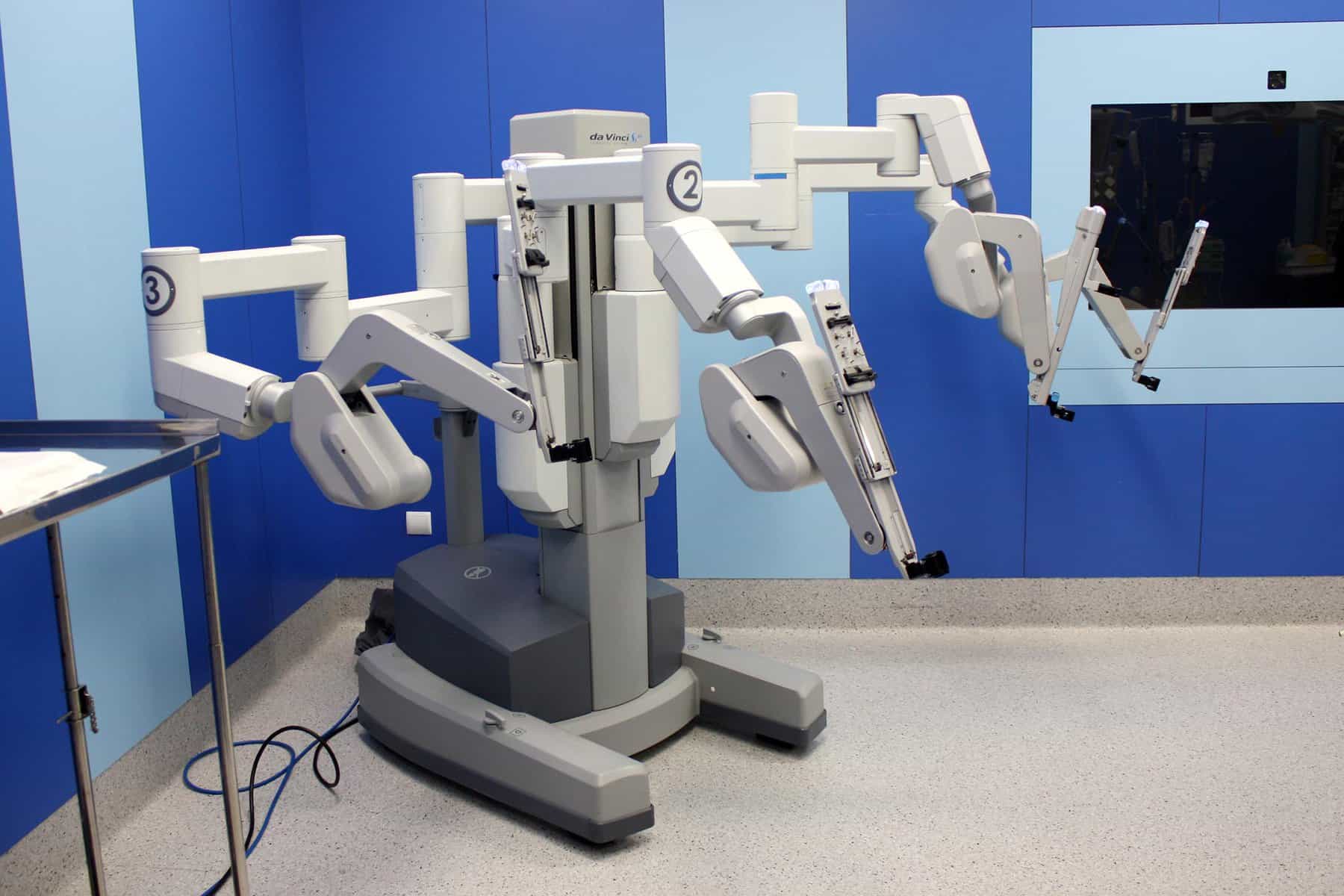
Precision through small incisions
Robot-assisted surgery aims to remove the prostate while using a precise, minimally invasive technique.
Robot-assisted surgery
Your surgeon controls the robotic system, which translates their movements into precise actions through small incisions.
Nerve-sparing where possible
The magnified surgical view can help preserve the delicate nerves near the prostate when it is safe to do so.
Minimally invasive technique
Smaller incisions than open surgery may support recovery, though recovery experiences vary between individuals.
Who robotic radical prostatectomy may suit
Robotic prostatectomy may be considered for men who:
- Have localised prostate cancer that is suitable for surgery
- Are well enough to have an operation
- Are deciding between surgery, radiotherapy or active surveillance
- Want to understand the potential benefits and side effects of each option
- Have had a consultant assessment of their diagnosis and treatment priorities
What to expect
- Assessment
Your consultant will review your prostate cancer diagnosis, scan and biopsy findings, general health and personal priorities to discuss whether surgery may be appropriate. - Informed discussion
The potential benefits, recovery, risks and possible effects on urinary and sexual function will be explained clearly. Your consultant will also discuss alternatives, including radiotherapy and active surveillance where appropriate. - Surgery and recovery
If robotic prostatectomy is recommended, your consultant will explain what happens before, during and after surgery, including hospital stay, catheter use, recovery and follow-up.
Why choose The Forbury Clinic for robotic radical prostatectomy in London?
Precise surgical technique
Robot-assisted surgery provides a magnified view and controlled movements during the operation.
Nerve-sparing potential
Where it is clinically safe, surgery may aim to preserve the nerves involved in erectile function.
Minimally invasive recovery
Robotic surgery is performed through small incisions rather than one larger open incision.
Consultant-led care in London
Your consultant will discuss robotic prostatectomy alongside other appropriate treatment options, helping you make a fully informed decision.
Frequently asked questions
Is surgery the best treatment for prostate cancer?
There is no single treatment that is right for every man. Surgery, radiotherapy and active surveillance can all be appropriate for localised prostate cancer. The right choice depends on your cancer, general health and what matters most to you.
What are the possible side effects?
Robotic prostatectomy can affect urinary control and sexual function. The risks vary depending on the cancer, the procedure and individual factors. Your consultant will explain the potential side effects and the support available during recovery.
What does nerve-sparing mean?
Nerve-sparing means aiming to preserve the nerves close to the prostate that are involved in erectile function. It can only be considered when it is safe to do so, based on the position and extent of the cancer.
How long is recovery after robotic prostatectomy?
Recovery varies between individuals. You will usually need a catheter for a period after surgery and will need time to recover before returning to normal activities. Your consultant will give you individual advice about recovery, work, exercise and sexual activity.
Will I need further treatment after surgery?
This depends on the findings from your surgery and follow-up tests. Your consultant will explain what monitoring is needed and whether any further treatment should be considered.

Understand whether robotic prostatectomy is right for you
If you are considering treatment for localised prostate cancer, our consultant urologists can explain whether robotic prostatectomy may be suitable and discuss every appropriate option with you.
- AppointmentBook a consultation
- Reception0118 920 7055
- Location
The Forbury Clinic London, 45 Queen Anne St, London, W1G 9J