PSA Blood Test in London
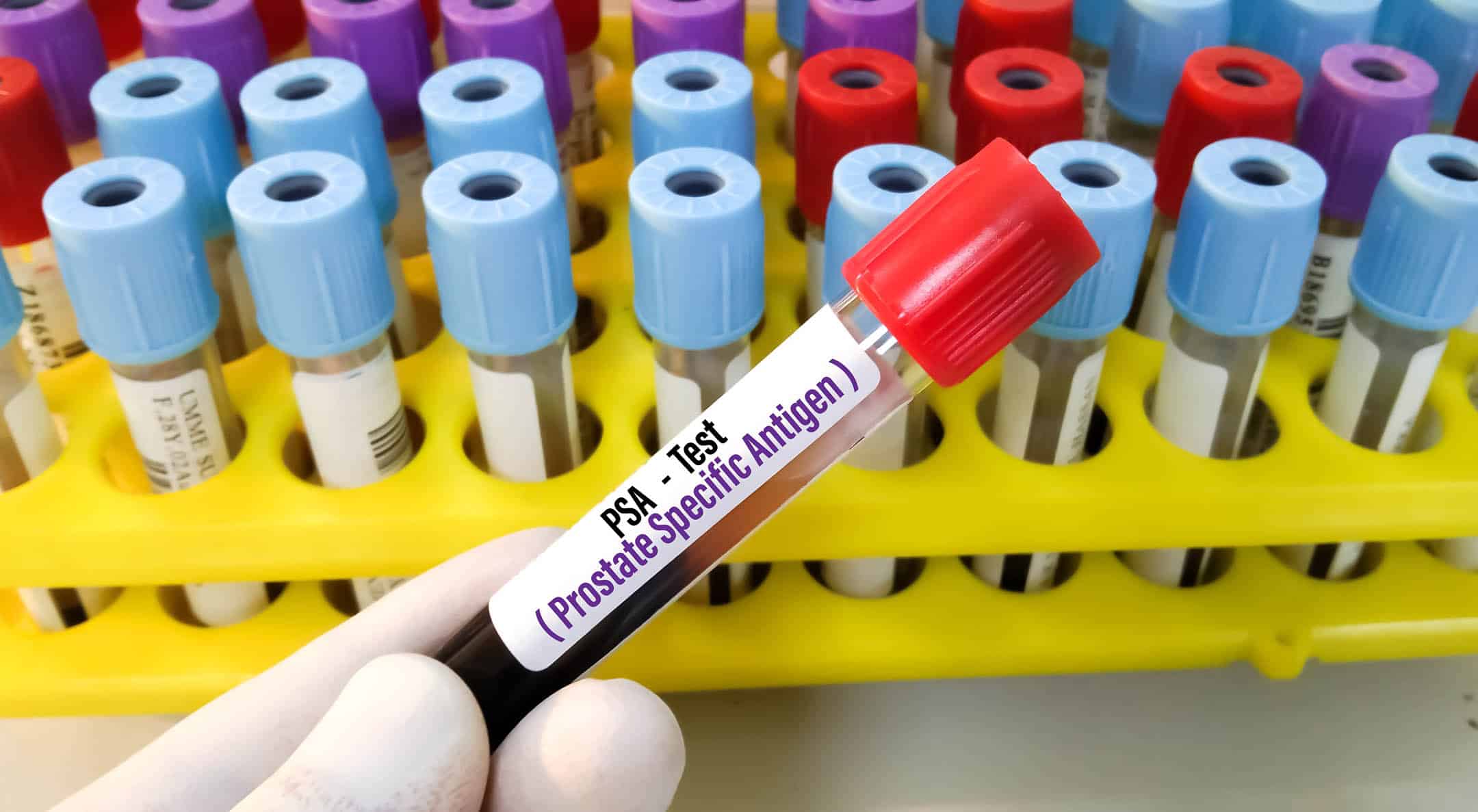
A PSA blood test is a straightforward way to check prostate-specific antigen, a protein made by the prostate. It can provide useful information about prostate health and is often an early step when investigating urinary symptoms or considering a proactive prostate check.
A raised PSA result does not necessarily mean prostate cancer. Our consultant urologists will explain what your result means in the context of your age, symptoms, medical history and any other appropriate tests.

What is the PSA test?
PSA stands for prostate-specific antigen. It is a protein produced by the prostate gland that can be measured with a standard blood test. A higher PSA level can be linked to a number of prostate conditions, including prostate cancer, which is why the test can be a useful part of prostate health assessment.
However, PSA is not a definitive test for cancer. Levels can be raised by non-cancerous causes, including an enlarged prostate, inflammation or infection. Recent vigorous exercise or sexual activity can also affect the result temporarily. Equally, some men with prostate cancer have a PSA level within the expected range.
For these reasons, a PSA result should always be interpreted as part of the wider picture. Your consultant will consider your age, symptoms, family history, previous PSA readings and examination findings where appropriate, rather than relying on a single number alone.
Our role is to explain the result clearly and discuss whether any further investigation is needed. For many men, the next step may simply be reassurance or monitoring over time.
A first indicator, interpreted in context
The PSA test is useful, but it has limitations. Understanding both helps you make an informed decision about prostate health checks.
A simple blood test
PSA is measured using a routine blood sample, making it a straightforward first step.
A raised result is not always cancer
PSA can be higher for several non-cancerous reasons. A raised level is a reason to consider further assessment, not a diagnosis by itself.
Reviewed by a consultant
Your result is considered alongside your individual health, risk factors, symptoms and previous results where available.
Who a PSA blood test may suit
A PSA test may be useful for men who:
- Want an initial indication of prostate health
- Are considering proactive prostate cancer screening
- Have urinary symptoms that need investigation
- Have a family history of prostate cancer
- Are monitoring a previously raised or borderline PSA result
- Would like to discuss their personal prostate cancer risk with a consultant
What to expect
- The blood test
A blood sample is taken for PSA testing. Special preparation is not always needed, but your consultant may provide advice about activities to avoid before the test. - Interpretation
Your consultant reviews the result in the context of your age, symptoms, medical history and any previous PSA levels. - Next steps
You will be given a clear explanation of what the result may mean. If further assessment is appropriate, this may include repeating the PSA test, arranging a prostate examination, MRI scan or discussing other investigations.
Why choose The Forbury Clinic for a PSA blood test in London?
Quick and straightforward
A PSA test involves a routine blood sample and can provide useful information about prostate health.
Honest interpretation
We explain what a PSA result can and cannot tell you, avoiding unnecessary alarm.
Considered in context
Your consultant takes account of your symptoms, age, family history and personal risk factors, not just the result itself.
A clear next step if needed
If further assessment is appropriate, your consultant can explain the options and arrange the relevant investigations.
From result to plan
PSA is often the starting point rather than the final answer.
Not every raised PSA leads to further testing. Decisions are based on the level, your age, rate of change over time and overall risk profile.
Where additional investigation is recommended, modern pathways often include MRI before considering biopsy. Where PSA is stable and reassuring, monitoring may be all that is required.
Frequently asked questions
Does a raised PSA mean I have prostate cancer?
No. PSA can be raised for a number of non-cancerous reasons, including an enlarged prostate, inflammation or infection. A raised result may mean further assessment is appropriate, but it does not confirm cancer.
Can I have prostate cancer with a normal PSA result?
Yes. PSA is a useful test, but it cannot identify every prostate cancer. This is why it is interpreted alongside other factors, including your symptoms, risk factors and examination findings where appropriate.
Do I need to prepare for a PSA blood test?
You will usually not need extensive preparation. However, some activities can temporarily affect PSA levels, so your consultant may give you specific advice before the test.
What happens if my PSA result is raised?
Your consultant will discuss possible reasons for the result and whether it would be helpful to repeat the test or arrange further assessment, such as a prostate examination or MRI scan. A raised PSA is a starting point for discussion, not a conclusion.
Do I need a GP referral?
No. You are welcome to self-refer and arrange a PSA blood test consultation directly with our team.

Understand your PSA result clearly
If you are considering a proactive prostate check, have urinary symptoms or would like to discuss a previous PSA result, our consultant urologists can help you understand the appropriate next steps.
- AppointmentBook a consultation
- Reception0118 920 7055
- Location
The Forbury Clinic London, 45 Queen Anne St, London, W1G 9J