Kidney Stone Prevention Clinic, London
Kidney stones can return, but a further episode is not inevitable. Understanding why a stone has formed can help you take practical steps to reduce the likelihood of future stones.
Our consultant urologists offer kidney stone prevention assessment in London. We use your medical history, blood and urine tests, and stone analysis where available, to identify factors that may be contributing and create a tailored prevention plan.

Why kidney stone prevention matters
Treating a kidney stone addresses the immediate problem, but it does not always explain why the stone developed. As stones can recur, prevention is an important part of longer-term care.
A metabolic assessment looks for possible underlying factors that may increase your chance of forming stones. This can include blood and urine tests, a discussion about your diet, fluid intake, medical history and medication, and analysis of a stone you have passed or had removed where possible.
The type of stone can provide useful information. For many people, prevention centres on drinking enough fluid and making specific dietary changes. In some circumstances, medication may be considered if tests identify a factor that could benefit from treatment.
The aim is to give you a clearer understanding of your individual risk and a practical plan that can help reduce the chance of further stones.
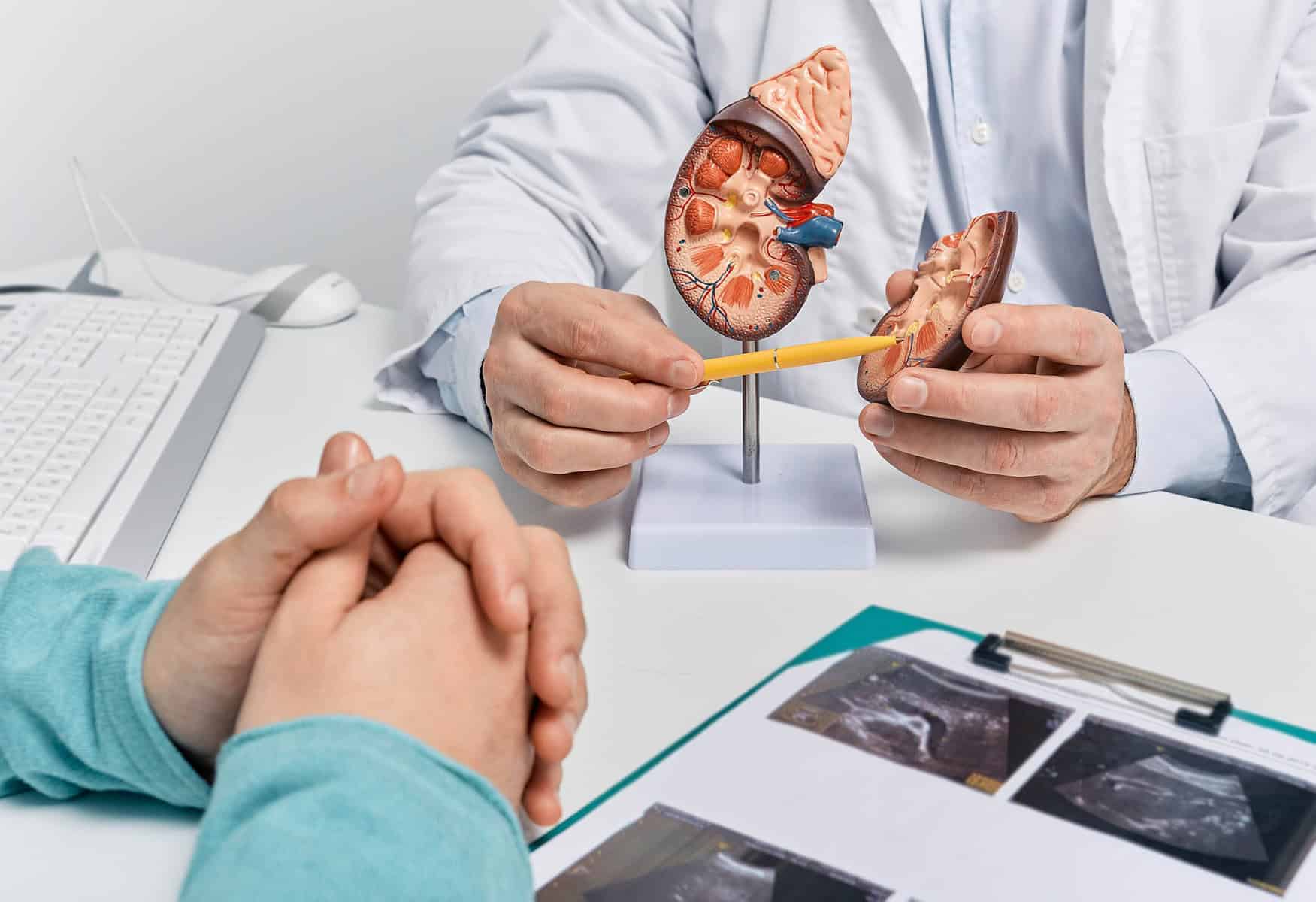
Understand the cause, then reduce the risk
Kidney stone prevention follows a clear, individual process.
Metabolic assessment
Blood and urine tests, alongside analysis of a stone where available, can help identify factors that may be contributing to stone formation.
Tailored prevention plan
Your consultant will create a plan based on your results. This may include advice about fluids, diet, lifestyle or medication where appropriate.
Review and ongoing support
Your prevention plan can be reviewed over time, with changes made if needed to reflect your progress and any further test results.
Who it is for
A kidney stone prevention assessment may be helpful if you:
- Have had one or more kidney stones
- Would like to reduce the chance of another stone forming
- Have a family history of kidney stones
- Have had a stone analysed or can provide a passed stone for testing
- Have a health condition or take medication that may affect stone risk
- Would value tailored advice rather than general prevention guidance
What to expect
- Assessment
Your consultant will discuss your history of kidney stones, symptoms, diet, fluid intake, general health and medication. Blood and urine tests may be arranged, along with analysis of any stone available. - Your prevention plan
Your results will be reviewed to identify possible risk factors. Your consultant will then explain the changes or treatment options that may help reduce the chance of further stones. - Follow-up
Where appropriate, follow-up allows your consultant to review your progress, discuss any further symptoms and adjust the plan if needed.
Why choose The Forbury Clinic for kidney stone prevention in London?
Focused on possible causes
Assessment looks beyond the stone itself to consider why it may have formed and what can be done to reduce further risk.
Advice tailored to you
Your prevention plan is based on your own history, test results and lifestyle, rather than generic advice alone.
Practical, manageable steps
For many people, prevention begins with realistic changes to fluid intake and diet, supported by clear guidance.
Consultant-led care in London
You will be assessed by a consultant urologist at The Forbury Clinic, 45 Queen Anne St, London W1G 9JF.
From assessment to prevention
A metabolic assessment complements active stone treatment.
Not every patient requires the same level of investigation. Testing is proportionate to your history and recurrence risk.
The goal is long-term reduction in stone formation rather than repeated cycles of acute treatment.
Frequently asked questions
Do kidney stones come back?
Some people do experience further kidney stones, but recurrence is not inevitable. Identifying possible causes and following a tailored prevention plan may help reduce the risk.
What does a metabolic assessment involve?
It may include blood and urine tests, a review of your diet, fluid intake, medical history and medication, as well as analysis of a stone you have passed or had removed where available.
Will I need medication?
Not always. Many people benefit from advice about fluid intake and dietary changes. Medication may be considered if tests identify a particular factor that could be treated.
Is prevention assessment worthwhile after one kidney stone?
It may be. Your consultant can discuss whether assessment is appropriate based on the type of stone, your medical history, family history and any other factors that may increase your risk.
What should I do if I think I have another kidney stone?
Seek medical advice if you develop symptoms such as severe pain in your side or back, blood in your urine, fever, vomiting or difficulty passing urine. Severe pain with fever or feeling very unwell may indicate an infected, blocked kidney and requires urgent medical care.

Help prevent kidney stones from returning
If you have had a kidney stone and would like to understand why it formed, our consultant urologists can arrange a prevention assessment and discuss a plan tailored to you.
- AppointmentBook a consultation
- Reception0118 920 7055
- Location
The Forbury Clinic London, 45 Queen Anne St, London, W1G 9J