iTind Prostate Treatment in London
iTind is a minimally invasive treatment for urinary symptoms caused by an enlarged prostate. It uses a small temporary device to reshape the tissue around the urethra, helping improve urine flow without removing prostate tissue or leaving a permanent implant behind.
For suitable men, iTind may offer a day-case treatment option that takes sexual and ejaculatory function into account.
What is the iTind procedure?
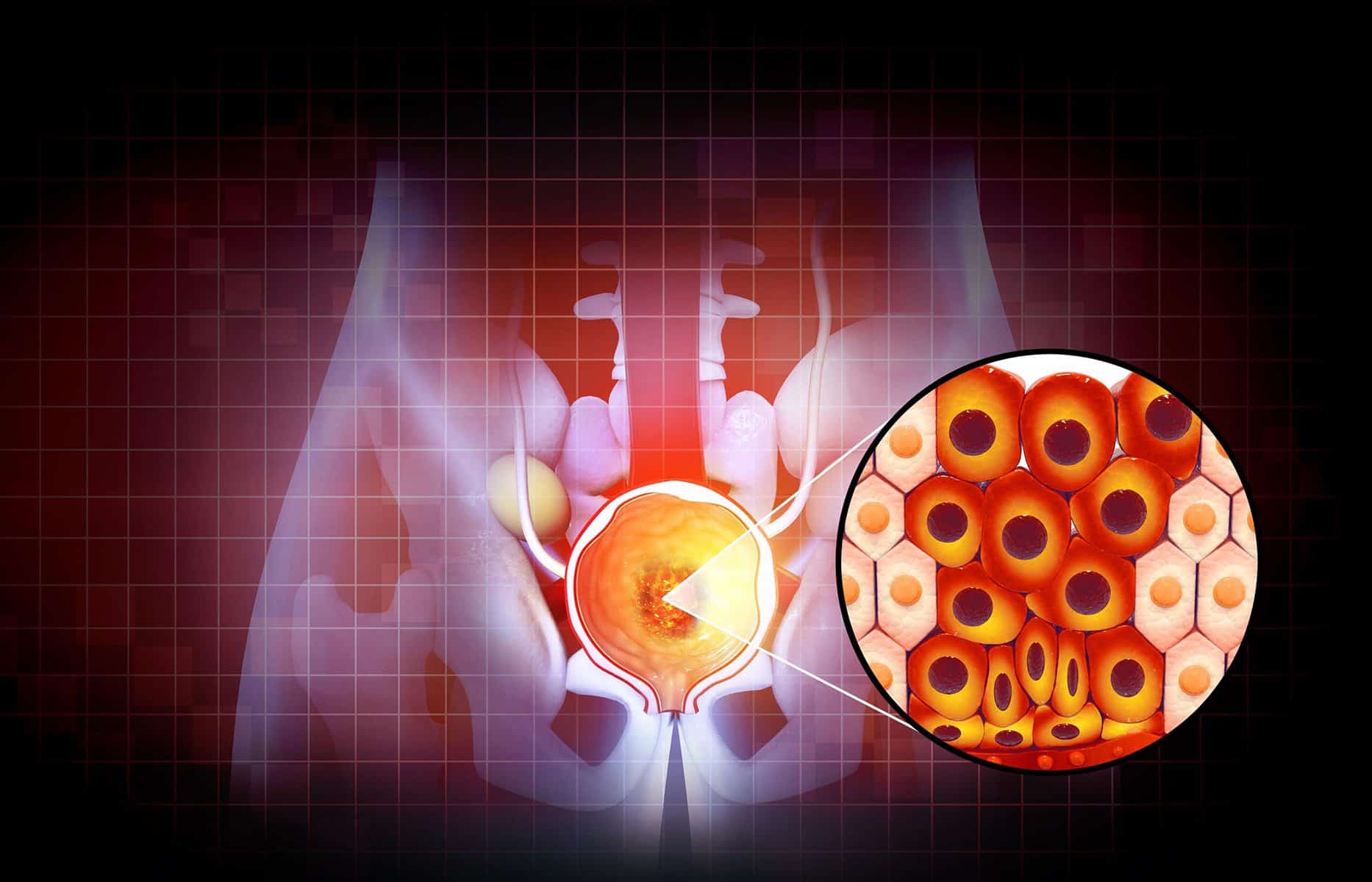
iTind stands for temporary implantable nitinol device. It is a minimally invasive treatment for benign prostatic hyperplasia, also known as BPH or an enlarged prostate.
As the prostate enlarges, it can narrow the urethra, the tube that carries urine from the bladder out of the body. This may lead to symptoms including a weak stream, difficulty starting to pass urine, straining, frequent toilet visits or waking at night to urinate.
During iTind treatment, a small folded device is placed in the part of the urethra that passes through the prostate. Over several days, it expands gently and applies controlled pressure to the surrounding tissue. This creates small channels that widen the passage for urine.
The device is then removed, usually after around five to seven days. No permanent implant is left in place and no prostate tissue is cut or removed.
iTind is usually performed as a day-case procedure. Your consultant will assess the size and shape of your prostate, as well as your symptoms and general health, to establish whether it may be suitable.
Reshape, then remove
iTind aims to improve urine flow by reshaping the tissue around the prostate without leaving an implant behind.
Placed in position
A small temporary device is inserted through the urethra and positioned within the prostatic urethra.
Gently reshapes tissue
Over several days, the device applies controlled pressure to create channels that widen the urinary passage.
Removed afterwards
The device is removed at a follow-up appointment, usually within five to seven days. Nothing is left inside the body.
Who the iTind procedure may suit
iTind may be considered for men who:
- Have troublesome urinary symptoms caused by an enlarged prostate
- Have a prostate size and shape that is suitable for the procedure
- Would prefer not to have a permanent implant
- Want to discuss a treatment that does not remove prostate tissue
- Place importance on preserving sexual and ejaculatory function
- Would value a minimally invasive day-case option
What to expect
- Assessment
Your consultant will discuss your urinary symptoms, medical history and treatment priorities. Tests may include a urine flow test, bladder scan, examination and assessment of prostate size. - Device placement
The iTind device is placed through the urethra during a short procedure. Your consultant will explain the anaesthetic arrangements and what to expect on the day. - Removal and recovery
The device is removed after several days, usually at a short follow-up appointment. Some men experience temporary urinary symptoms while it is in place. Your consultant will provide clear advice on managing these and on what to expect as the treated area settles.
Why choose The Forbury Clinic for the iTind procedure in London?
No permanent implant
The iTind device is removed after treatment, so nothing remains in the body.
No prostate tissue removed
The procedure works by reshaping tissue around the urethra rather than cutting away or destroying prostate tissue.
Sexual function considered
iTind is designed to preserve sexual and ejaculatory function. Your consultant will explain what this may mean in your individual circumstances.
Day-case consultant-led care
Your treatment is planned and delivered by a consultant urologist, with follow-up arranged after device removal.
Frequently asked questions
How long does the iTind device stay in place?
The device is usually removed after around five to seven days. Your consultant will confirm the timing of your removal appointment.
Is anything left in the body after iTind treatment?
No. The device is temporary and is removed after it has reshaped the tissue around the urethra. No permanent implant is left behind.
Will iTind affect my sex life?
iTind is designed to preserve sexual and ejaculatory function. However, every procedure has potential risks and individual experiences vary. Your consultant will discuss this fully before treatment.
Is the device uncomfortable while it is in place?
Some men experience temporary urinary symptoms or discomfort while the device is in place. These may include urgency, frequency or discomfort when passing urine. Your consultant will explain what to expect and how symptoms can be managed.
Will I need a catheter?
A catheter is not usually required while the device is in place. However, your consultant will explain the plan for your procedure and any individual considerations.
How soon will my urinary symptoms improve?
Some men notice improvement after the device is removed and the treated tissue has settled. The timing and degree of symptom improvement vary between individuals. Your consultant will explain what may be realistic for you.

Find out whether iTind is right for you
If symptoms from an enlarged prostate are affecting your daily life, our consultant urologists can assess whether iTind or another treatment option may be appropriate.
- AppointmentBook a consultation
- Reception0118 920 7055
- Location
The Forbury Clinic London, 45 Queen Anne St, London, W1G 9J