Flexible Cystoscopy in London
A flexible cystoscopy allows a consultant to examine the inside of the bladder and urethra using a thin, flexible camera. It is an important investigation for blood in the urine and other bladder symptoms that need a closer look.
The procedure is usually carried out in clinic using local anaesthetic gel. It takes only a few minutes, and your consultant can often discuss the initial findings with you straight afterwards.
What Is A Flexible Cystoscopy?
Flexible cystoscopy is a procedure that lets your consultant inspect the lining of the bladder and urethra directly. A cystoscope is a thin, flexible tube with a camera at the tip. It is carefully passed through the urethra and into the bladder.
The urethra is the tube that carries urine from the bladder out of the body. The camera sends images to a screen, allowing your consultant to look for possible causes of symptoms, including inflammation, stones, narrowing or changes to the bladder lining.
A flexible cystoscopy is commonly used when blood has been found in the urine. It may also be recommended for persistent bladder symptoms, recurrent urinary infections or other symptoms that require direct assessment.
The procedure is usually carried out using numbing gel applied to the urethra. As the scope is flexible, most people find the test manageable, though it can feel uncomfortable or cause a temporary urge to pass urine.

A direct look inside the bladder
Flexible cystoscopy provides information that cannot always be obtained through imaging alone.
Direct inspection
The camera allows your consultant to examine the urethra and bladder lining directly.
Local anaesthetic
Numbing gel is used to reduce discomfort as the cystoscope is passed through the urethra.
Initial findings explained promptly
Your consultant can often discuss what they have seen immediately after the examination and explain whether further tests or treatment may be needed.
Who Flexible Cystoscopy Is For
Flexible cystoscopy may be recommended for people who:
- Have visible or non-visible blood in their urine
- Have bladder symptoms that need further investigation
- Are being assessed through a haematuria, or blood in urine, pathway
- Have recurrent urinary tract infections or persistent urinary symptoms
- Need the bladder lining or urethra examined directly
What to expect
- Before the procedure
Your consultant will explain why the cystoscopy has been recommended and what will happen during the appointment. Local anaesthetic gel is applied to the urethra before the examination begins. - The examination
The flexible cystoscope is passed gently through the urethra into the bladder. Sterile fluid is used to fill the bladder slightly so the lining can be viewed clearly. The examination usually takes only a few minutes. - Afterwards
Your consultant can often discuss the initial findings with you straight away. Most people can return home soon after the procedure and resume normal activities. You may experience mild stinging when passing urine or notice a small amount of blood in the urine for a short time afterwards.
Benefits Of Flexible Cystoscopy in London
Direct assessment of the bladder
Flexible cystoscopy allows the bladder lining and urethra to be examined directly, providing information that scans may not show.
Carried out using local anaesthetic
The procedure is usually performed in clinic using local anaesthetic gel, without the need for a general anaesthetic.
A short procedure
The examination itself generally takes only a few minutes, with most people able to return home shortly afterwards.
Consultant-led care in London
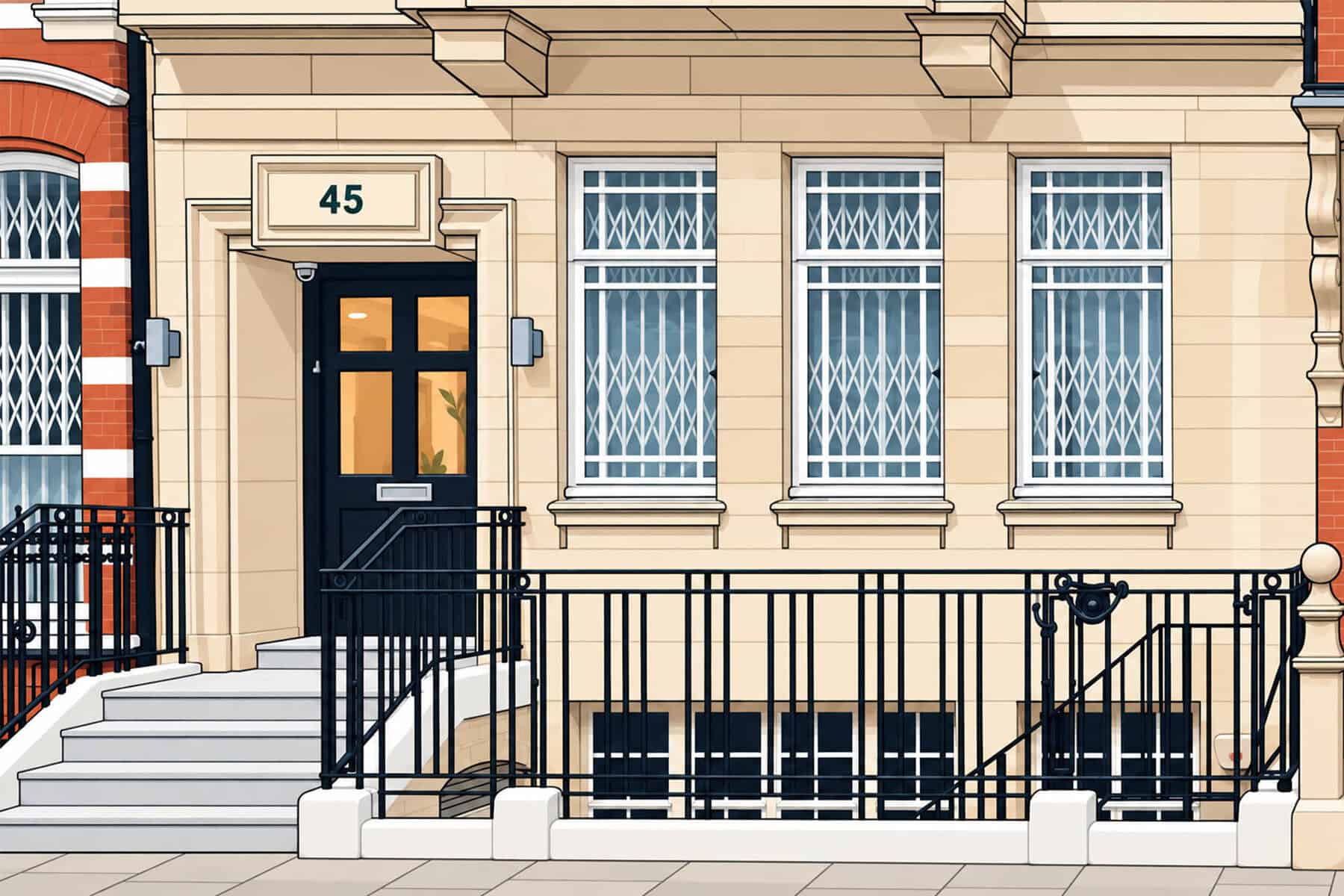
Your procedure is carried out by a consultant urologist at The Forbury Clinic, 45 Queen Anne St, London W1G 9JF.
Frequently asked questions
Does a flexible cystoscopy hurt?
Most people describe flexible cystoscopy as uncomfortable rather than painful. Local anaesthetic gel is used and the scope is flexible, which can make the procedure easier to tolerate. Your consultant will explain each step and answer any questions you have.
Will I be awake for the procedure?
Yes. Flexible cystoscopy is usually carried out using local anaesthetic gel, so you remain awake throughout. You can normally return home afterwards.
Why do I need a cystoscopy if I have had a scan?
Scans and cystoscopy provide different information. Imaging can assess the kidneys, bladder and urinary tract, while cystoscopy allows the consultant to inspect the bladder lining and urethra directly. Both may be needed to investigate certain symptoms fully.
Are there any side effects afterwards?
It is common to have mild stinging when passing urine or a small amount of blood in the urine for a short time. Drinking water can help. Contact your medical team promptly if you develop severe pain, heavy bleeding, a high temperature, feel unwell or are unable to pass urine.
How long does a flexible cystoscopy take?
The examination usually takes only a few minutes. Your overall appointment may take longer to allow time for preparation, discussion and any next steps.

A clear look inside the bladder
If blood in your urine or persistent bladder symptoms need further investigation, flexible cystoscopy can provide important answers. Our consultant urologists can explain whether it is appropriate for you.
- AppointmentBook a consultation
- Reception0118 920 7055
- Location
The Forbury Clinic London, 45 Queen Anne St, London, W1G 9J