Prostate Brachytherapy in London
Prostate brachytherapy is a form of internal radiotherapy for some men with localised prostate cancer. It delivers radiation from within the prostate, aiming to focus treatment on the cancer while limiting exposure to surrounding tissue.
It is one of several treatment options that may be considered. Your consultant will explain whether brachytherapy is suitable for your diagnosis and how it compares with alternatives such as active surveillance, surgery or external beam radiotherapy.

What is prostate brachytherapy?
Prostate brachytherapy is a type of radiotherapy that treats cancer from inside the prostate gland rather than directing radiation towards it from outside the body.
Small radioactive sources are placed in or near the prostate to deliver a focused dose of radiation to the cancer. The treatment approach may vary depending on the type of brachytherapy recommended and your individual diagnosis.
Brachytherapy may be considered for some men with localised prostate cancer. This means cancer that is contained within the prostate and has not spread to distant areas of the body.
Suitability depends on several factors, including the grade and extent of the cancer, the size of the prostate, any urinary symptoms, your general health and your personal priorities.
Like all prostate cancer treatments, brachytherapy has possible benefits and side effects. These can include changes to urinary, bowel and sexual function. Your consultant will explain these clearly, alongside the alternatives, so you have the information needed to make an informed decision.
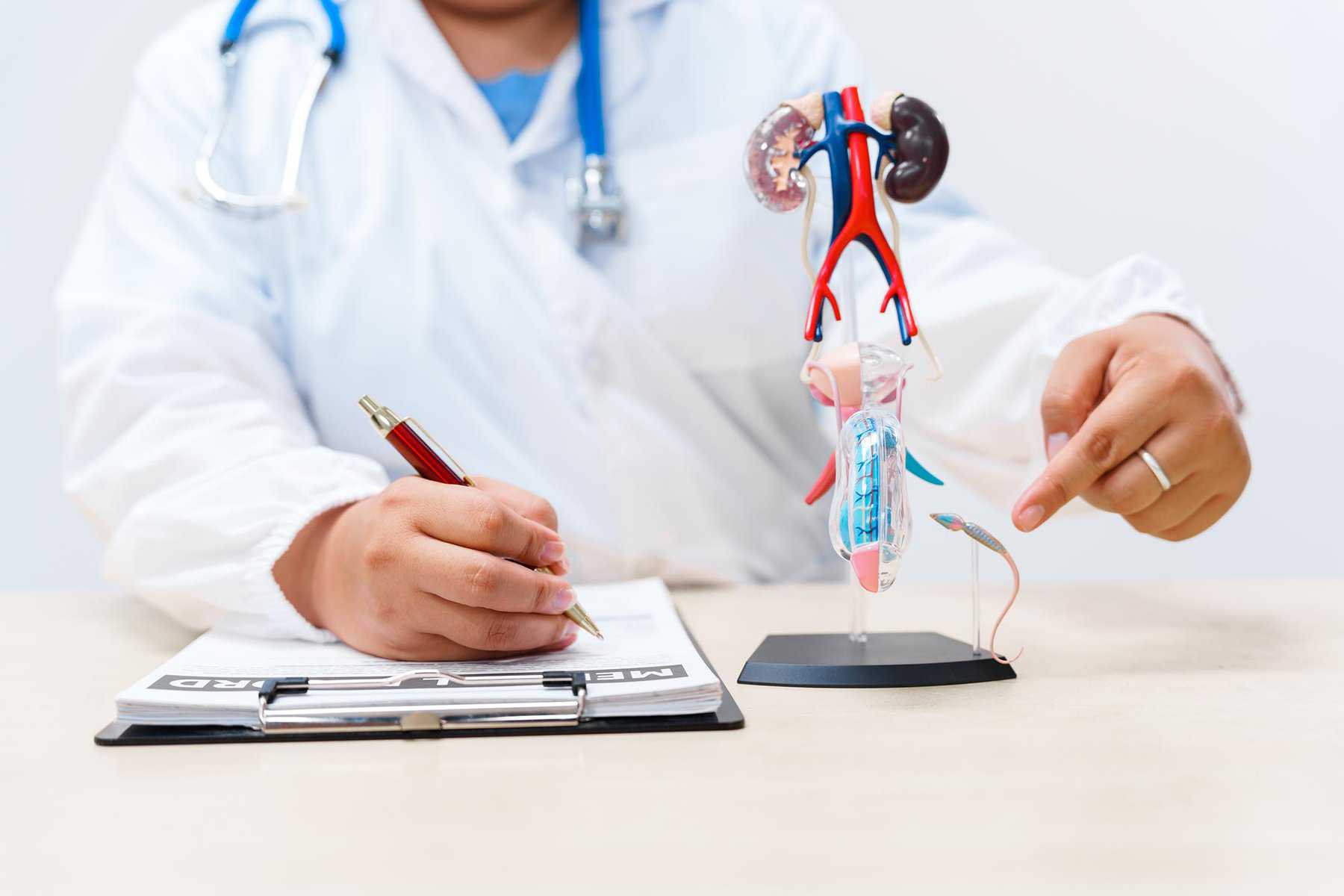
Radiation treatment from within the prostate
Brachytherapy is designed to deliver radiation close to the cancer within the prostate.
Radioactive sources placed in the prostate
Small radioactive sources are positioned in or near the prostate, allowing radiation to be delivered internally.
A focused treatment area
Because treatment is delivered within the prostate, the radiation dose can be concentrated around the gland.
For selected localised cancers
Brachytherapy is not suitable for every prostate cancer. A specialist assessment is needed to establish whether it may be an appropriate option.
Who brachytherapy may suit
Prostate brachytherapy may be considered for men who:
- Have localised prostate cancer
- Have prostate cancer features that are suitable for radiotherapy treatment
- Have urinary symptoms and prostate size that are appropriate for the procedure
- Are deciding between radiotherapy, surgery or active surveillance
- Want to understand all suitable treatment options before making a decision
What to expect
- Assessment
Your consultant will review your diagnosis, scan results, biopsy findings, urinary symptoms and general health to discuss whether prostate brachytherapy may be appropriate. - An informed discussion
You will have the opportunity to discuss the potential benefits, risks and alternatives. This includes how treatments may affect urinary, bowel and sexual function. - Coordinated treatment planning
If brachytherapy is the right option for you, your consultant will explain the treatment pathway and coordinate your care with the specialist radiotherapy team delivering treatment.
Why choose The Forbury Clinic for Brachytherapy in London?
Targeted internal radiotherapy
Brachytherapy delivers radiation from within or close to the prostate, focusing treatment on the area of cancer.
An alternative to surgery
For suitable men with localised prostate cancer, brachytherapy may offer a non-surgical treatment option.
Clear, honest discussion
Your consultant will explain the possible benefits, side effects and alternatives, helping you decide what feels right for you.
Part of a wider treatment plan
Brachytherapy is considered alongside active surveillance, surgery and other radiotherapy options, rather than in isolation.
Frequently asked questions
Is prostate brachytherapy suitable for everyone?
No. It is suitable for some men with localised prostate cancer. Your consultant will consider the grade and stage of the cancer, your prostate size, urinary symptoms, general health and treatment priorities.
What are the possible side effects?
As with other prostate cancer treatments, brachytherapy can affect urinary, bowel and sexual function. The nature and likelihood of side effects vary between individuals. Your consultant will explain the relevant risks and how brachytherapy compares with other options.
How does brachytherapy compare with surgery?
Both brachytherapy and surgery can be treatment options for localised prostate cancer. They involve different procedures, recovery periods and possible side effects. The right choice depends on your diagnosis and what matters most to you.
Where is treatment carried out?
Prostate brachytherapy is delivered by a specialist radiotherapy team. Your consultant will explain where treatment will take place and how your care will be coordinated.
Will I need treatment straight away?
Not always. Some men with slow-growing localised prostate cancer may be advised to have active surveillance instead of immediate treatment. Your consultant will explain whether monitoring or treatment is the most appropriate approach for you.

Understand whether prostate brachytherapy is right for you
If you are considering treatment for localised prostate cancer, our consultant urologists can explain whether brachytherapy may be suitable and discuss every appropriate option with you.
- AppointmentBook a consultation
- Reception0118 920 7055
- Location
The Forbury Clinic London, 45 Queen Anne St, London, W1G 9J