Raised PSA Investigation & Advice, London
A raised PSA result can be worrying, but it does not mean you have prostate cancer. PSA can rise for several reasons, including an enlarged prostate, inflammation, infection and recent sexual activity or exercise.
Our consultant urologists provide careful assessment and clear advice, helping you understand what your PSA result may mean and whether any further tests are appropriate.

What is a raised PSA?
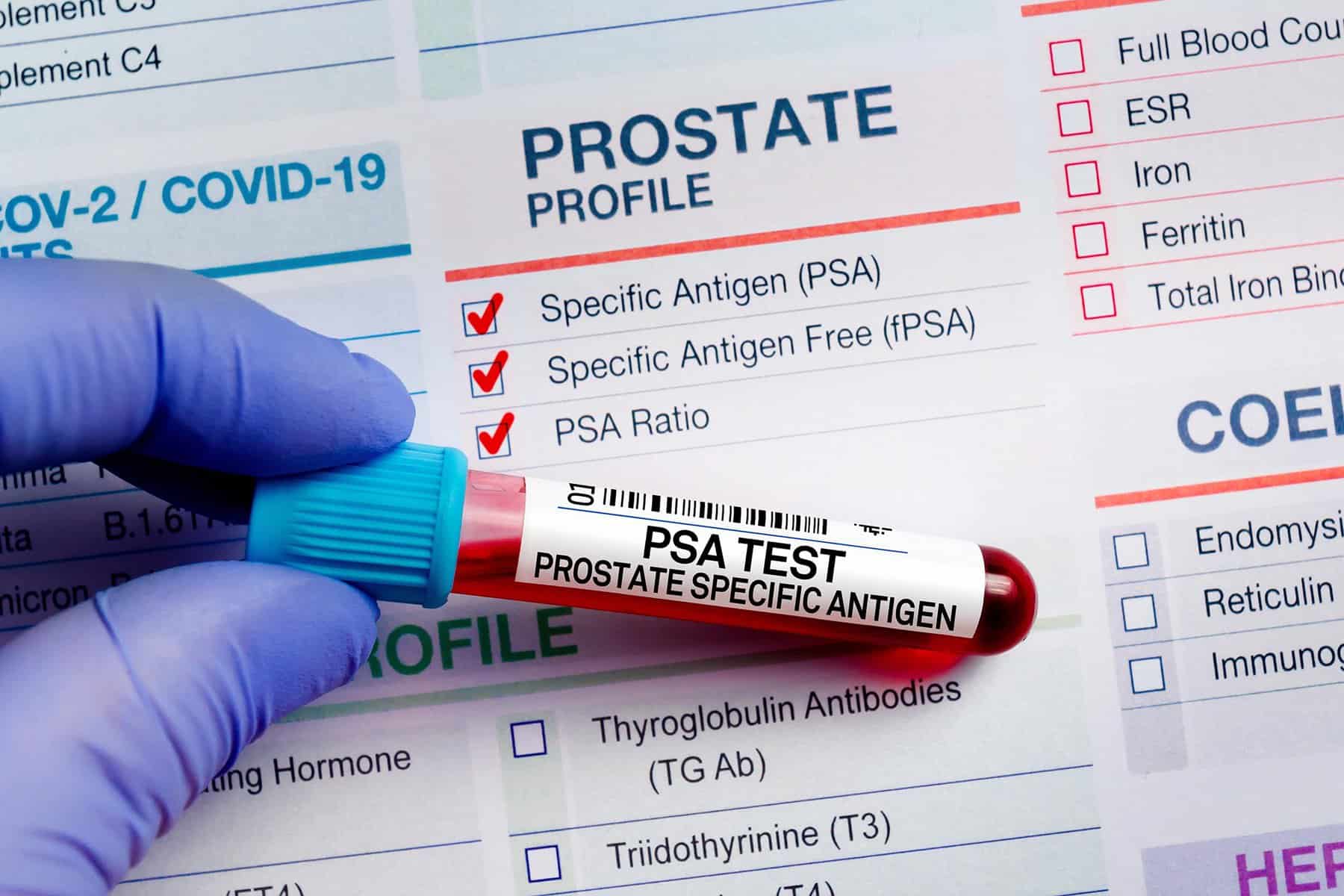
PSA stands for prostate-specific antigen, a protein made by the prostate gland. It is measured through a blood test and can provide useful information about prostate health.
A raised PSA result means the level is higher than expected. However, PSA is not a cancer test on its own. Levels can rise because of a benign enlarged prostate, inflammation of the prostate, a urinary infection or other temporary factors.
Some men with prostate cancer have a normal PSA result, while many men with a raised PSA do not have cancer. This is why your result should always be interpreted alongside your age, symptoms, medical history, family history and any previous PSA tests.
The aim of assessment is to understand why your PSA may be raised and decide whether monitoring, repeat testing, an MRI scan or a biopsy is appropriate.

What can cause a raised PSA?
A raised PSA can have several possible explanations.
An enlarged prostate
A non-cancerous enlarged prostate, known as benign prostatic hyperplasia or BPH, can increase PSA levels and cause urinary symptoms.
Inflammation or infection
Inflammation of the prostate, known as prostatitis, and urinary infections can raise PSA temporarily.
Recent activity
Ejaculation, vigorous exercise and cycling can affect PSA results for a short time.
Prostate cancer
A raised PSA can sometimes be linked to prostate cancer. Further assessment helps establish whether this is a concern.
Who it is for
It may be helpful to see a specialist about cystitis if you:
- Have frequent or recurrent episodes
- Find that usual treatment does not provide lasting relief
- Notice blood in your urine at any stage
- Have persistent bladder symptoms without a clear explanation
- Would like to understand the cause and reduce the risk of future episodes
What to expect
- Assessment
Your consultant will discuss your symptoms, medical history and previous episodes. Where appropriate, a urine sample can be tested, including with a rapid test that may provide results during your appointment. - Treatment
Treatment is based on your symptoms and test results where available, helping your consultant recommend the most appropriate approach. - Prevention
If cystitis is recurrent, your consultant will discuss practical steps and treatment options that may help reduce the likelihood of further episodes.
Tests and care for a raised PSA
Your consultant will recommend the investigations that are appropriate for your symptoms, PSA result and individual risk factors.
PSA Blood Test
A blood test measuring prostate-specific antigen, interpreted in the context of your wider prostate health.
Prostate Examination
A short physical examination that can provide information about the size, shape and texture of the prostate.
Prostate MRI Scan
Detailed imaging of the prostate, often used before deciding whether a biopsy is needed.
Prostate Biopsy
A biopsy takes small tissue samples from the prostate to confirm or rule out cancer where further investigation is needed.
A raised PSA is not a diagnosis
It is natural to worry when a PSA result is higher than expected. However, a raised level is a reason to investigate, not a diagnosis of cancer.
Your consultant will take time to explain your result and the possible reasons for it. In some cases, repeating the PSA test after a suitable interval may be recommended. In others, further investigation may provide a clearer answer.
The right next step depends on the full picture, rather than any single number.
Why choose The Forbury Clinic for a raised PSA in London?
Clear explanation of your PSA result
Your consultant will explain what your result may mean and what, if anything, needs to happen next.
Assessment tailored to you
Your age, symptoms, previous PSA readings, family history and examination findings are considered together.
MRI-led investigation where appropriate
A prostate MRI can provide more detailed information and help guide whether a biopsy is needed.
Consultant-led care in London
You will be assessed by a consultant urologist at The Forbury Clinic, 45 Queen Anne St, London W1G 9JF.
Frequently asked questions
Does a raised PSA mean I have prostate cancer?
No. PSA can be raised for many reasons other than cancer, including an enlarged prostate, inflammation and infection. A raised result is a prompt for further assessment, not a diagnosis.
Should I repeat my PSA test?
This depends on your result and individual circumstances. Your consultant may recommend repeating the test if temporary factors, infection or recent activity could have affected the result.
Will I need an MRI scan?
Not everyone needs an MRI scan. Your consultant will consider your PSA result, symptoms, examination findings and risk factors before advising whether it would be helpful.
Will I definitely need a biopsy?
No. A biopsy is only recommended when it is needed to provide a clearer answer. A reassuring MRI scan may mean that biopsy is not appropriate at that stage.
Can an enlarged prostate raise PSA?
Yes. A benign enlarged prostate can increase PSA levels and cause urinary symptoms. Your consultant will assess whether this may be contributing to your result.
Do I need a GP referral?
No. You are welcome to self-refer and arrange a consultation directly with our team.

Understand a raised PSA result clearly
If you have received a raised PSA result, have urinary symptoms or are concerned about prostate cancer risk, our consultant urologists can help you understand the appropriate next steps.
- AppointmentBook a consultation
- Reception0118 920 7055
- Location
The Forbury Clinic London, 45 Queen Anne St, London, W1G 9J