Vocal Cord Nodules Removal
Voice changes caused by vocal cord nodules can make speaking uncomfortable and tiring. When these small, benign growths affect your pitch, tone or clarity, treatment (including precise removal) can help restore normal, comfortable voice use.
Overview
Removal of vocal cord nodules may be recommended when symptoms such as persistent hoarseness, a rough or breathy voice, or vocal fatigue do not improve with rest or voice therapy. The procedure helps to restore smooth voice production and prevent long‑term strain on the vocal cords.
In most cases, surgery aims to remove only the affected tissue while protecting the delicate structure of the vocal cords. The goal is to restore clear speech and support long‑term vocal health.

What is Vocal Cord Nodules Removal?
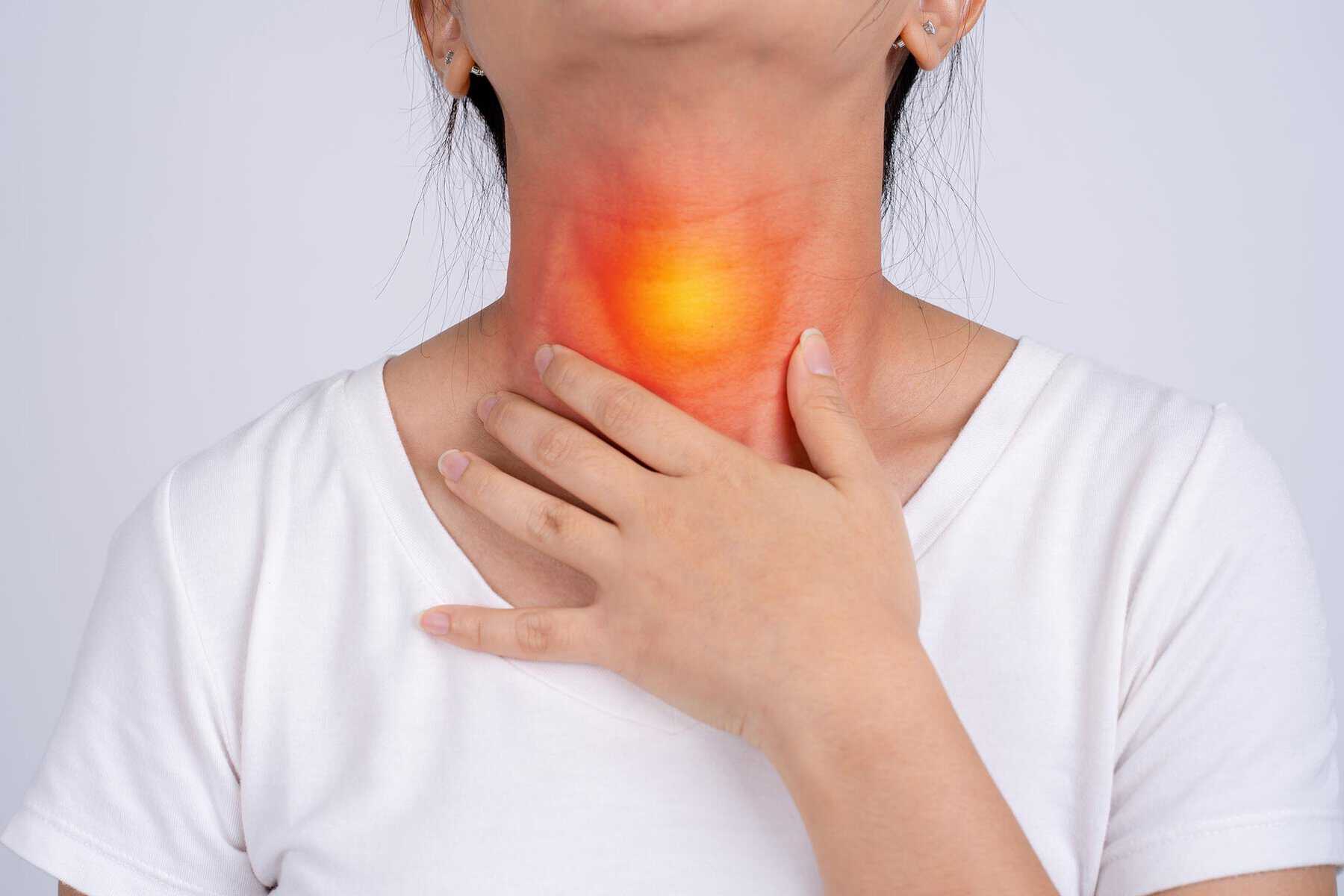
Vocal cord nodules removal is a precise procedure that eliminates small, callus‑like growths that can develop when the vocal cords are overused or strained. These nodules prevent the cords from closing properly, which causes hoarseness and loss of vocal power.
By carefully removing the affected tissue, surgeons help the vocal cords vibrate freely again, improving voice quality and comfort.
What types of procedures are used to remove Vocal Cord Nodules?
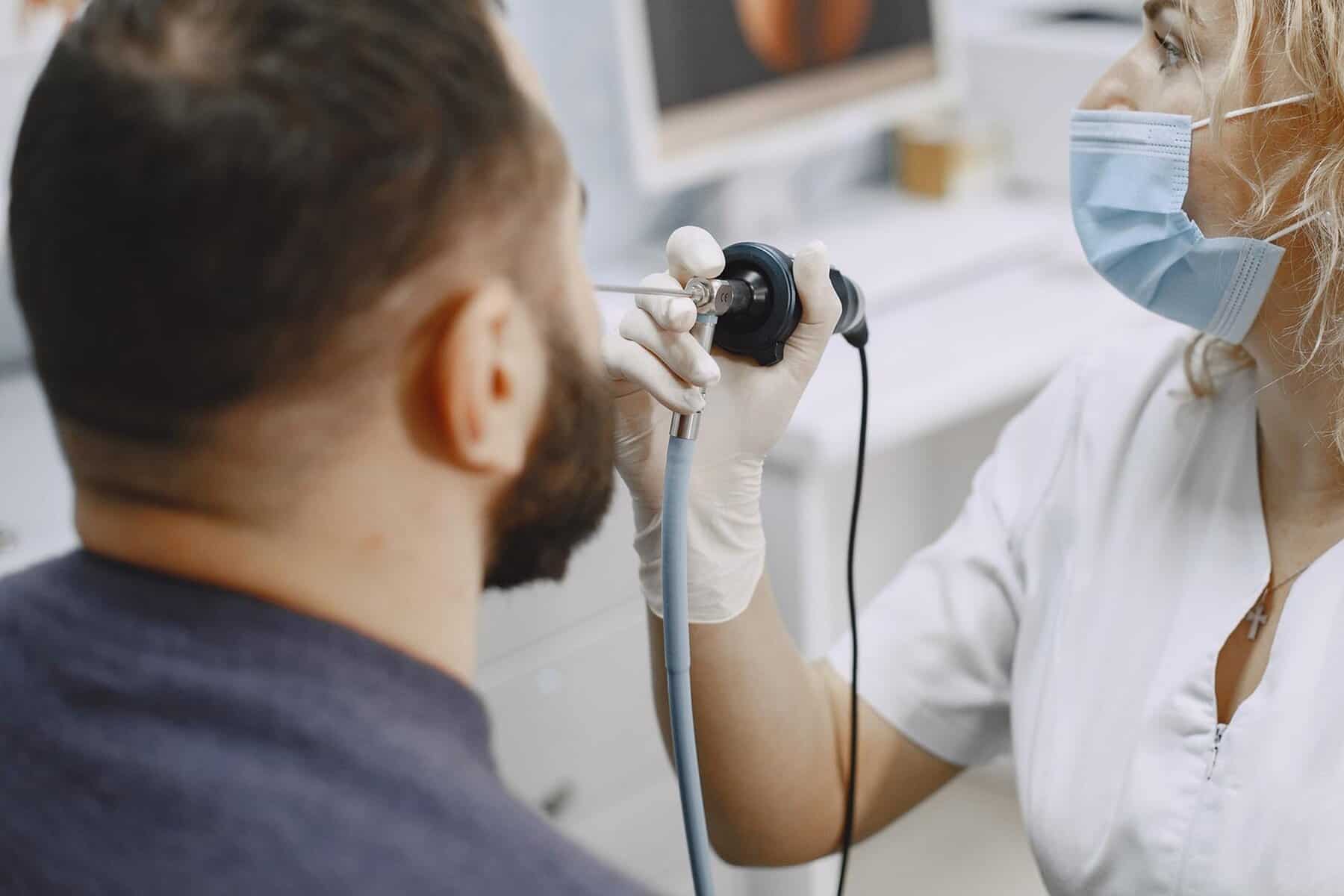
Where possible, conservative management such as voice therapy or rest is tried first. When surgery is needed, most nodules are removed using microlaryngoscopy, a minimally invasive technique performed through the mouth with delicate surgical instruments and a microscope for precision.
Microlaryngoscopy is usually carried out under general anaesthetic, meaning you’ll be asleep and won’t feel anything during the procedure. The surgeon works through the mouth without any external cuts In some cases, a laser may be used for extra precision and to reduce healing time.

Procedure duration and recovery time
Surgery for vocal cord nodules typically takes about 30 to 60 minutes. It’s often performed as a day‑case procedure, meaning you can go home the same day.
You’ll normally need to rest your voice completely for about one week after surgery, followed by gradual return to gentle speaking as advised by your specialist. Most people notice improvement in their voice within a few weeks, though full recovery may take several months, especially if voice therapy is part of your plan.


Why Choose The Forbury Clinic?
At The Forbury Clinic, we provide expert care for acid reflux using advanced diagnostic techniques and a patient-focused approach. Our specialists tailor treatment plans to suit each individual’s needs, ensuring effective symptom relief and long-term health improvements. With state-of-the-art facilities and a commitment to excellence, we offer comprehensive acid reflux support, from diagnosis to treatment.
Vocal Cord Nodules FAQs
- Will my voice return to normal after removal?
Many people find their voice becomes clearer, stronger, and less fatigued once healing is complete. Recovery varies depending on the size of the nodule, the health of the surrounding tissue, and how well post‑operative voice care is followed.
Improvements are usually gradual, and continuing good vocal habits helps maintain long-term results.
- Is voice therapy needed after Vocal Cord Nodules Removal?
Yes, voice therapy is an important part of recovery for most patients. A speech and language therapist can help you relearn healthy voice techniques, reduce strain, and correct any behaviours that might have contributed to the nodule formation.
Therapy supports healing and lowers the chance of new nodules developing in the future.
- What are the risks of vocal cord nodules surgery?
As with any surgical procedure, there are some small risks, including temporary sore throat, mild swelling, or voice changes during healing. Serious complications such as scarring or long‑term voice weakness are rare when surgery is carried out by experienced ENT surgeons.
Vocal cord nodules can occasionally return if the voice is overused or strained again, which is why following voice therapy advice and good vocal hygiene is important.