Hearing Test in Reading
A hearing test checks how well you hear different sounds and helps detect any signs of hearing loss early.
What is a Hearing Test?
A hearing test is a safe, simple way to understand how well you hear. Using headphones, your consultant plays sounds at different volumes and pitches. You respond by pressing a button or raising your hand, helping to map your hearing ability.
It’s especially useful if you:
- Struggle to follow conversations, particularly in noisy environments
- Often ask people to repeat themselves
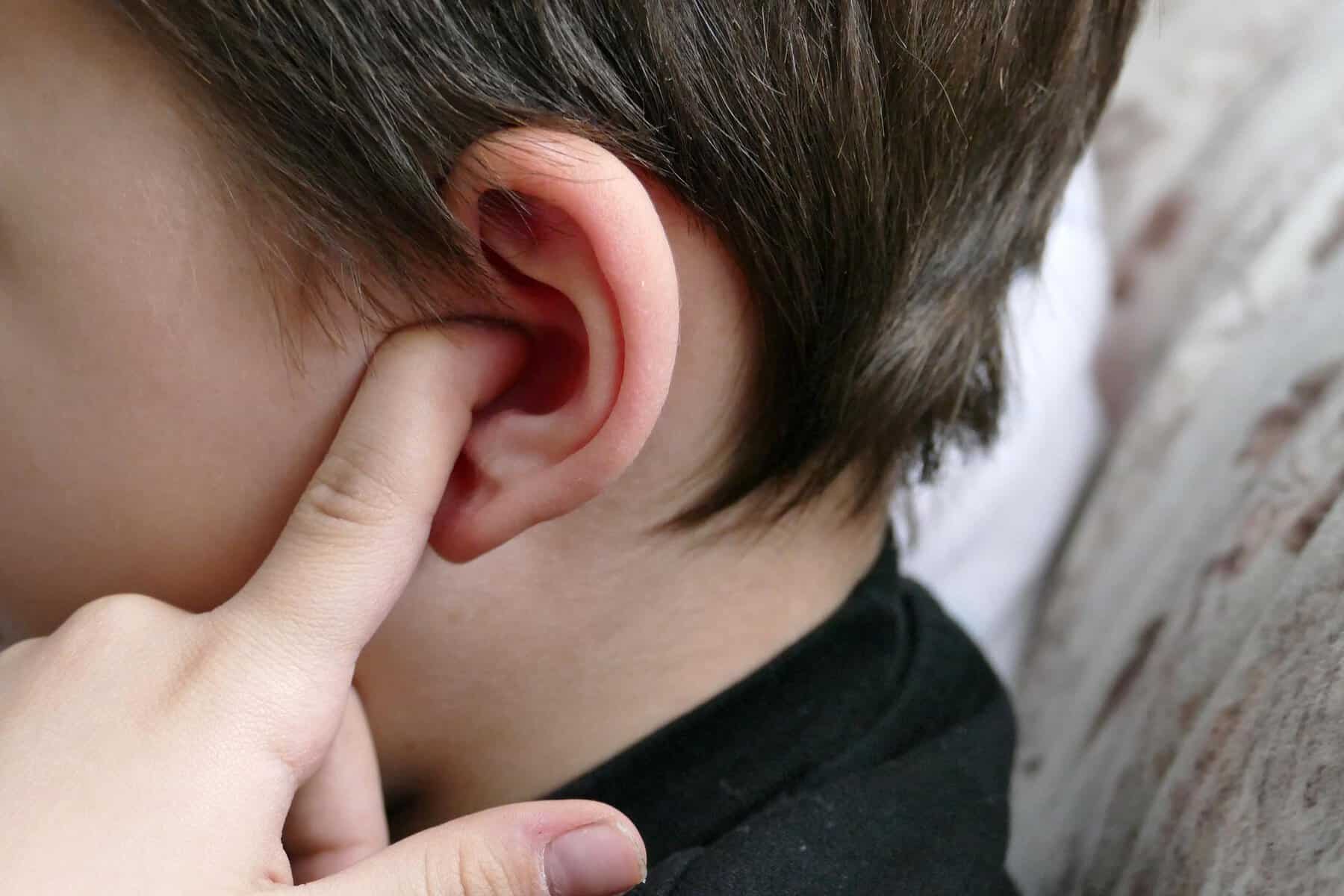
- Notice ringing, buzzing or muffled sounds
- Feel like your hearing isn’t what it used to be
Early testing helps identify any concerns before they affect your daily life — and supports timely, effective treatment.



Types of Hearing Tests
Our ENT specialists may recommend one or more of the following tests based on your symptoms and medical history:
- Pure Tone Audiometry – Measures the quietest sounds you can hear across a range of pitches.
- Tympanometry – Assesses the health and movement of your eardrum and middle ear.
- Speech Audiometry – Tests how clearly you understand spoken words at different volumes.
- Otoacoustic Emissions (OAE) – Often used in newborns and young children to assess inner ear function.
Why You Might Need a Hearing Test
Common Symptoms
Trouble understanding speech, especially in groups or noisy places
Frequently asking others to speak louder or repeat themselves
Ringing or buzzing sounds in your ears (tinnitus)
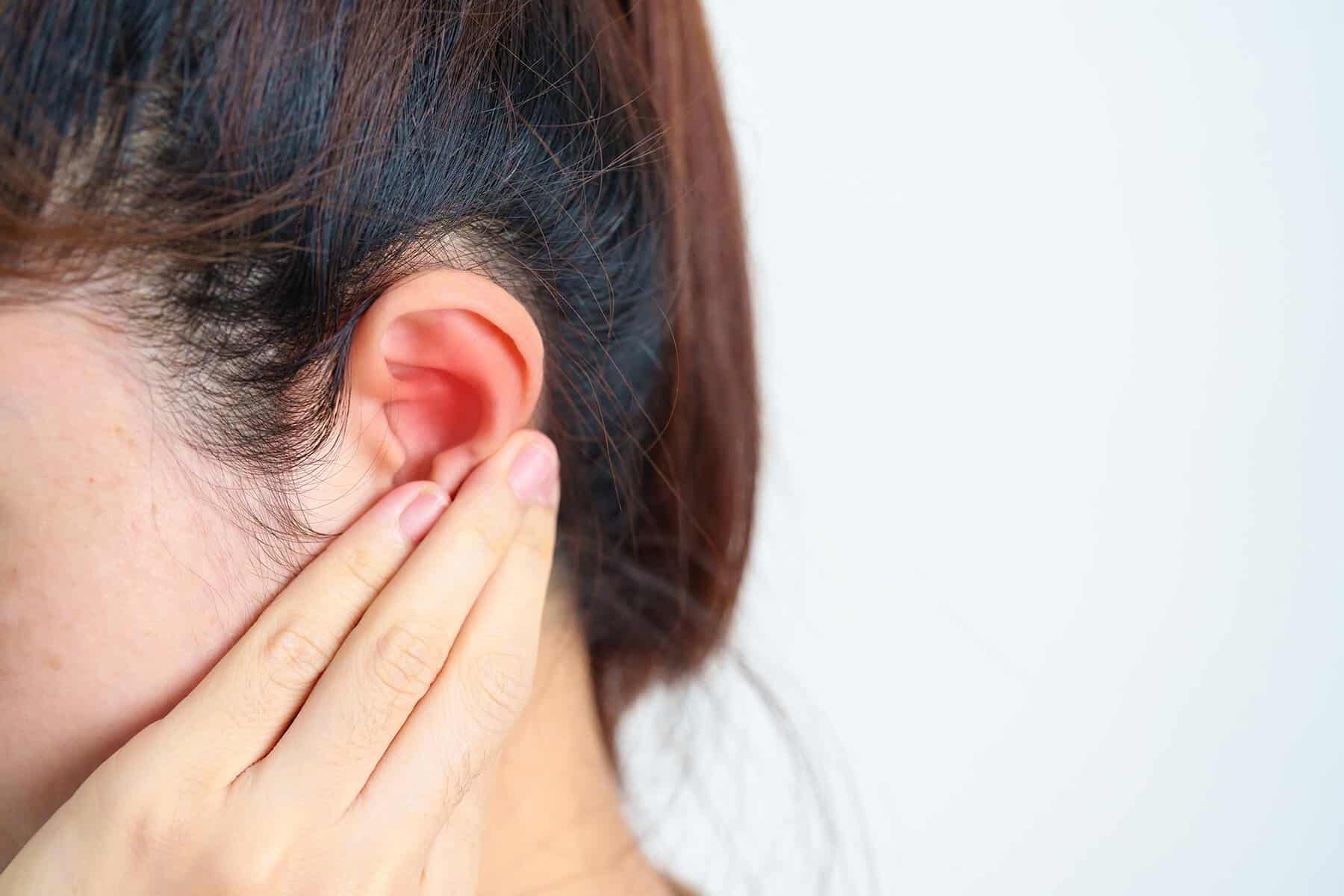
Feeling like your ears are blocked
Risk Factors
Ageing (especially after 50)
Repeated exposure to loud noise
Ear infections or chronic conditions
Family history of hearing issues
Diagnosing Hearing Loss
Your results are plotted on a graph called an audiogram. This chart shows:
- Which frequencies you can hear
- How loud a sound needs to be for you to detect it
- Whether your hearing falls within the normal range, or indicates mild, moderate, severe or profound hearing loss
Understanding the cause is key. Hearing loss may stem from:
- Blockages (like earwax buildup)
- Middle ear problems (e.g., fluid or infection)
- Inner ear or nerve-related issues
- Long-term exposure to noise or medication side effects
Our ENT consultants use your audiogram, symptoms and any additional tests to diagnose the cause accurately.
Treatment Options
Treatment depends on the type and cause of your hearing loss. Options may include:
- Treatment Options
Earwax removal
(Microsuction or irrigation)
Medication
For infections or inflammation
Surgical procedures
For chronic middle ear conditions
Hearing Aids
Modern, discreet and tailored to your needs
Myringotomy:
A procedure where a small incision is made in the eardrum to drain fluid and relieve pressure.
Tympanostomy Tubes:
Inserting small tubes into the eardrum to allow continuous drainage and prevent fluid buildup.
Minimally Invasive Techniques:
Utilising advanced, less invasive surgical methods to reduce recovery time and discomfort.
Comprehensive Care Plans:
Tailoring treatment plans to each patient’s specific needs and conditions.
You’ll receive clear, personalised guidance on the best next steps for your hearing and wellbeing.
What to Expect During Your Hearing Test
You’ll sit in a quiet room wearing headphones. The audiologist will play tones and speech through each ear and ask you to respond when you hear something. You may also be asked to repeat words back to assess speech clarity.
The test is painless and usually takes under an hour. Your consultant will explain the results on the same day and guide you through any follow-up.

Why Choose The Forbury Clinic?
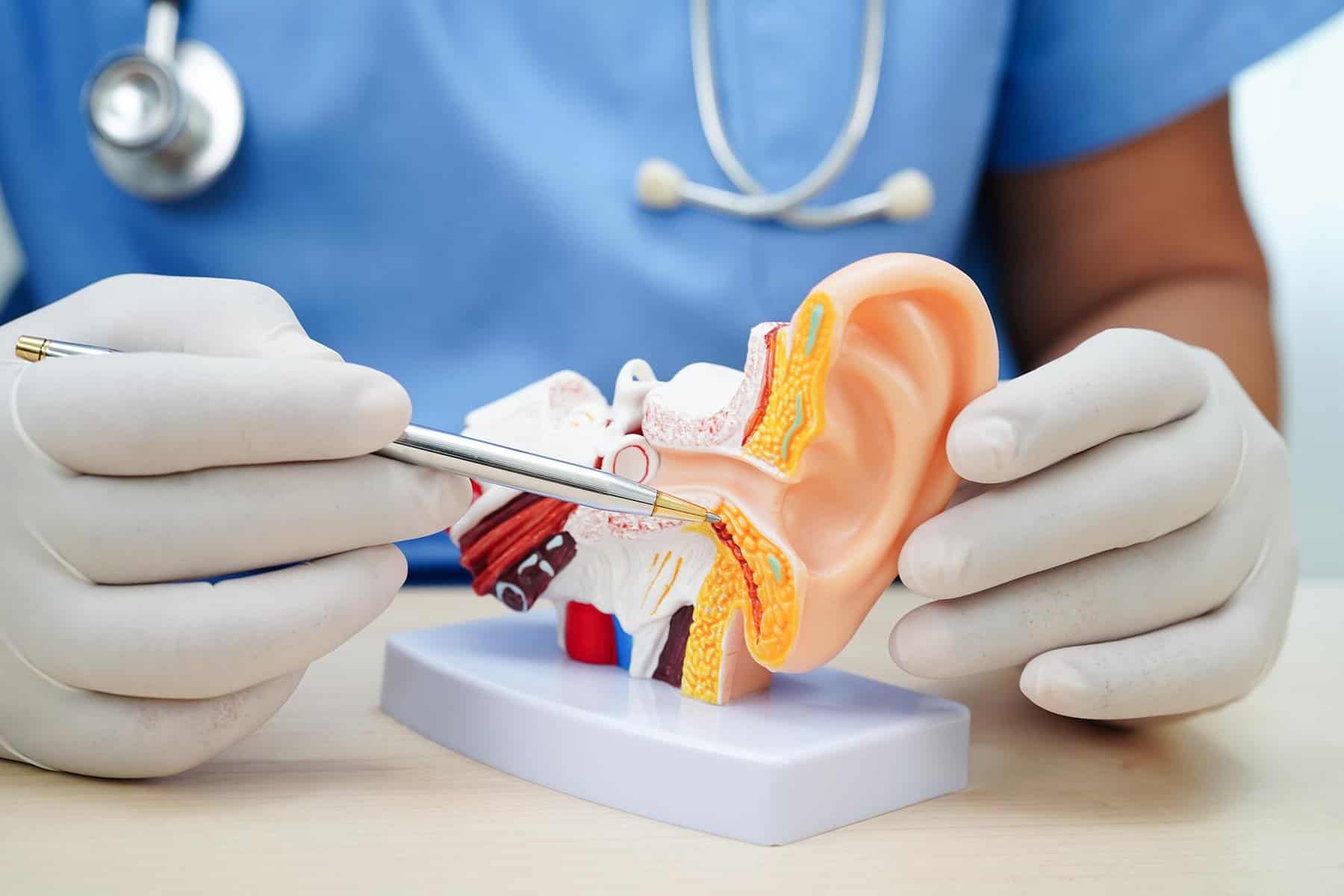
At The Forbury Clinic, your care is always consultant-led. You’ll be seen by senior ENT specialists such as Mr Julian Savage and Mr Rogan Corbridge, who bring decades of experience in diagnosing and managing hearing and balance disorders.
We use advanced diagnostic equipment to ensure a detailed and accurate assessment of your ear health. From initial consultation to treatment planning, every step is tailored to your individual needs — whether you require simple wax removal or support for more complex, long-term hearing loss.
Since opening in 2011, we’ve earned a reputation for trusted, compassionate healthcare — supporting thousands of patients across Berkshire and beyond with expertise and empathy at every stage.
Hearing Test FAQs
- What can I expect during my first consultation at The Forbury Clinic?
During your first consultation at The Forbury Clinic, you can expect a discussion of your symptoms and if necessary, a physical examination. Depending on your condition, additional tests may be recommended. Your specialist will then explain the diagnosis and propose a personalised treatment plan.
- Do I need a referral?
No, you can self-refer for a hearing test at The Forbury Clinic.
- How often should I have my hearing checked?
If you’re over 50 or exposed to loud environments, we recommend annual checks.
- Can hearing loss be reversed?
Some causes, like wax buildup or infections, are fully treatable. Others may benefit from hearing aids or medical intervention.
- Do you provide services for children with ear conditions?
Yes, The Forbury Clinic offers comprehensive ENT services for children. Our paediatric ENT specialists are experienced in diagnosing and treating a wide range of ear conditions in children, including ear infections, glue ear, and hearing issues. We provide care in a child-friendly environment to ensure comfort and ease during visits.