Breast Screening
The Forbury Clinic offers personalised breast cancer screening. This approach helps structure screening decisions based on individual risk.
Our consultant‑led breast screening programme combines advanced imaging with genetic risk assessment to identify those at higher risk early — enabling personalised prevention and peace of mind.
Understanding breast cancer risk
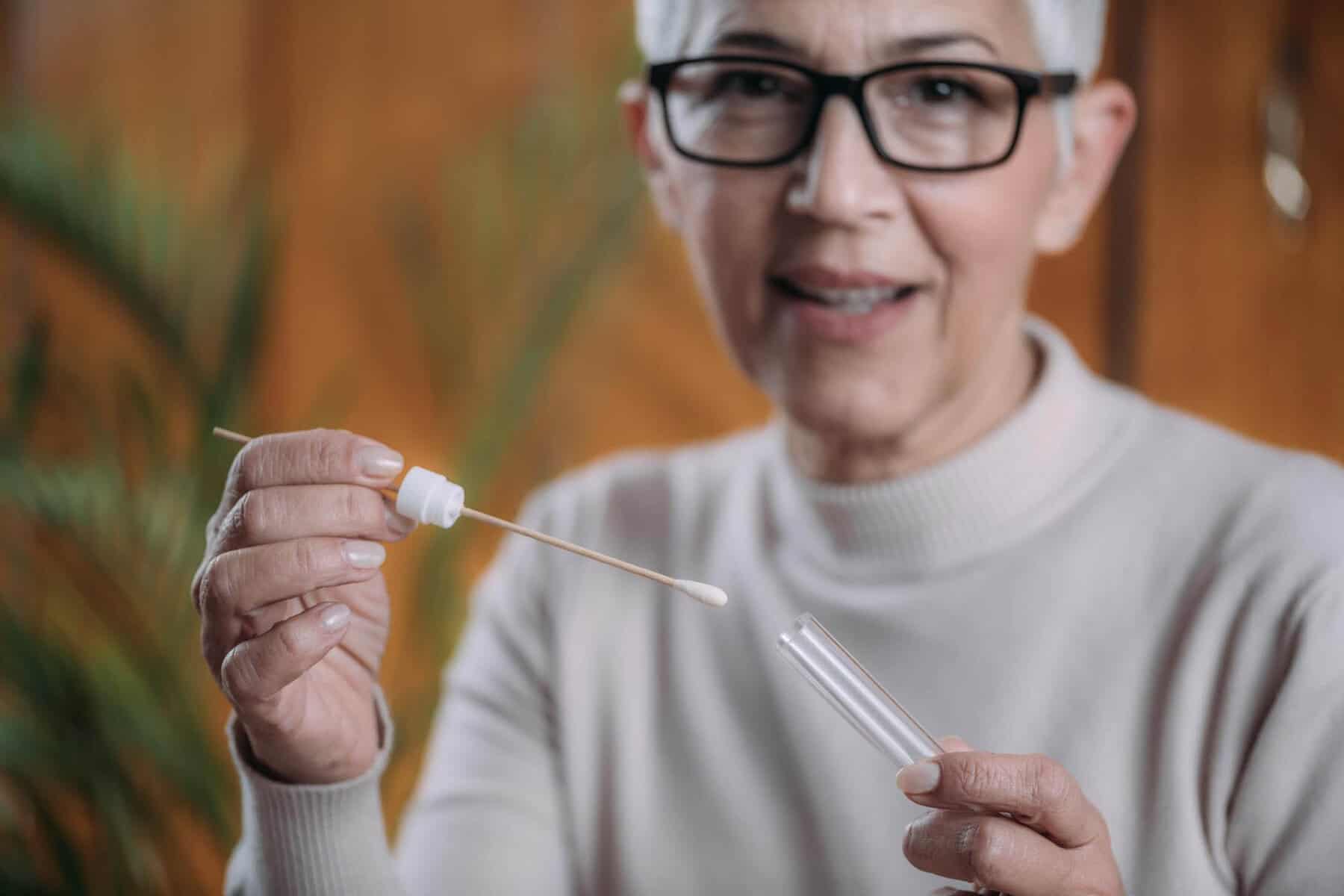
Breast cancer can affect women of any age, though risk increases with age, family history, and certain genetic factors such as BRCA mutations.
Most women who develop breast cancer have no family history, which is why understanding your genetic profile and lifestyle risk matters.
Screening is not a diagnosis; it’s an opportunity to understand your health early and make informed choices about monitoring and prevention.
Breast Cancer – UK Statistics
- Around 1 in 7 women in the UK will develop breast cancer during their lifetime.
- Approximately 56,000 women and 400 men are diagnosed with breast cancer in the UK each year.
- About 1 in 5 breast cancers occur in women under 50, even though NHS screening invitations start at 50.
- Earlier risk assessment helps identify women who could benefit from personalised screening and prevention before standard NHS screening begins.

What Is a Polygenic Cancer Risk Score?
At The Forbury Clinic, our breast screening services combine advanced imaging with a leading‑edge Polygenic Risk Score (PRS) assessment to deliver insight far beyond standard screening.
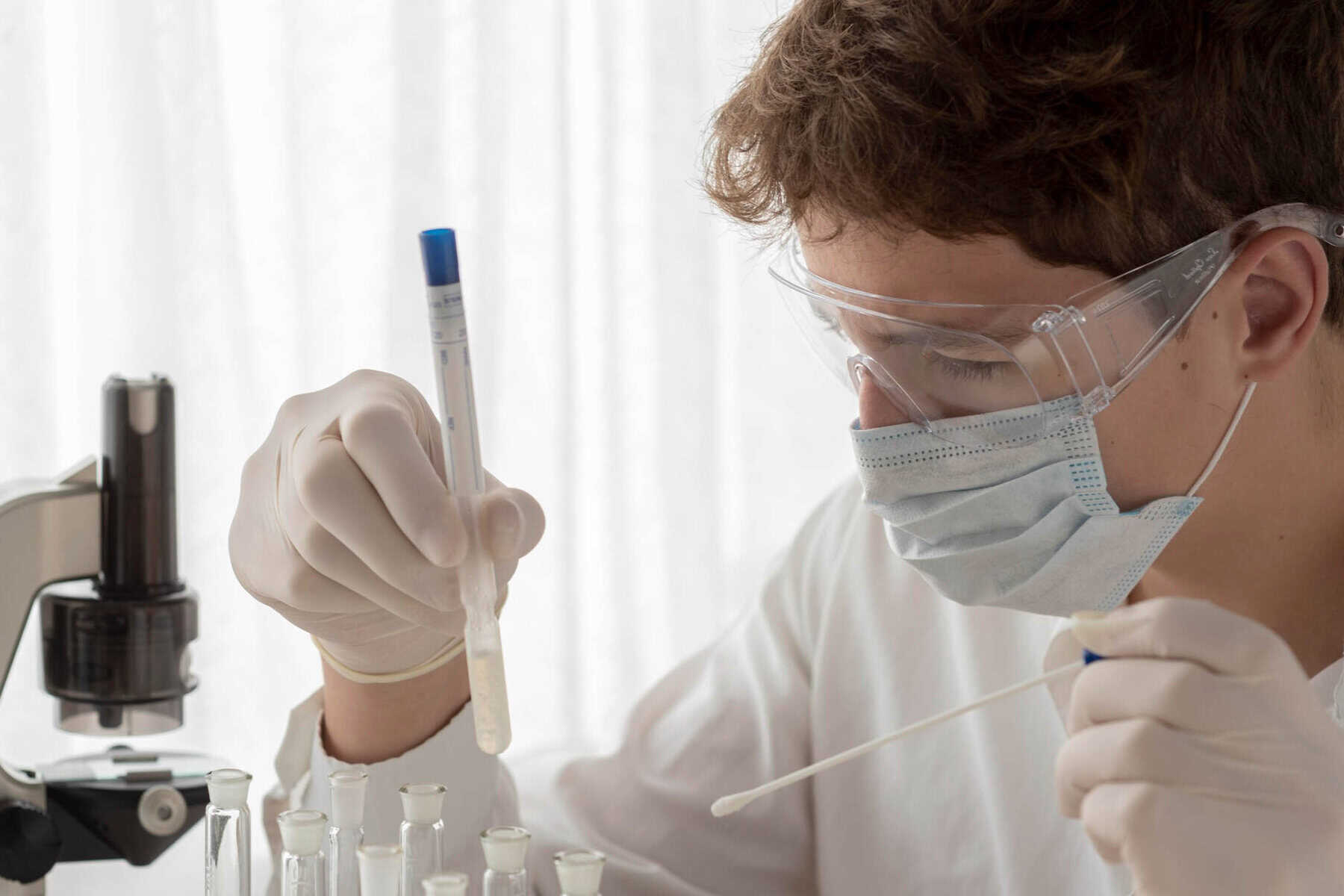
PRS testing is a modern, evidence‑based approach that estimates your lifetime risk of developing breast cancer by analysing tiny variations across your DNA. Unlike single‑gene tests that look only for rare inherited faults, PRS considers the effect of many common genetic differences — giving a more complete view of inherited risk.
Our programme measures the combined influence of over 2,800 genetic variants known to be linked with breast cancer. When this information is interpreted alongside key personal factors such as age, ancestry and family history, your consultant can calculate your overall risk profile and design a screening plan that fits you precisely.
What this means for you
- Enables earlier identification of higher‑risk women, years before routine NHS screening begins (at age 50).
- Supports a personalised prevention plan, including when to start screening, how often to test and which methods are most effective.
- Offers tailored guidance on practical steps that can reduce risk and promote early detection.
The test is simple, non‑invasive and carried out once in a lifetime. Results provide enduring value, helping guide breast health decisions over time.
How the Process Works
1. Arrange your test and collect your sample
Enquire directly through The Forbury Clinic. A home kit is sent to you (or collected from the clinic) to provide a saliva sample, which you then post securely in the prepaid envelope provided.
2. Laboratory analysis
Your sample is processed in a fully accredited UK laboratory, analysing more than 2800 genetic markers linked to breast cancer.
3. Results in 6-8 weeks
Comprehensive report is prepared and sent securely to you.
4. Follow up consultation arranged (if needed)
if results indicate a higher genetic risk, we’ll arrange an appointment to discuss the findings and agree the most appropriate next steps.
How this complements existing screening
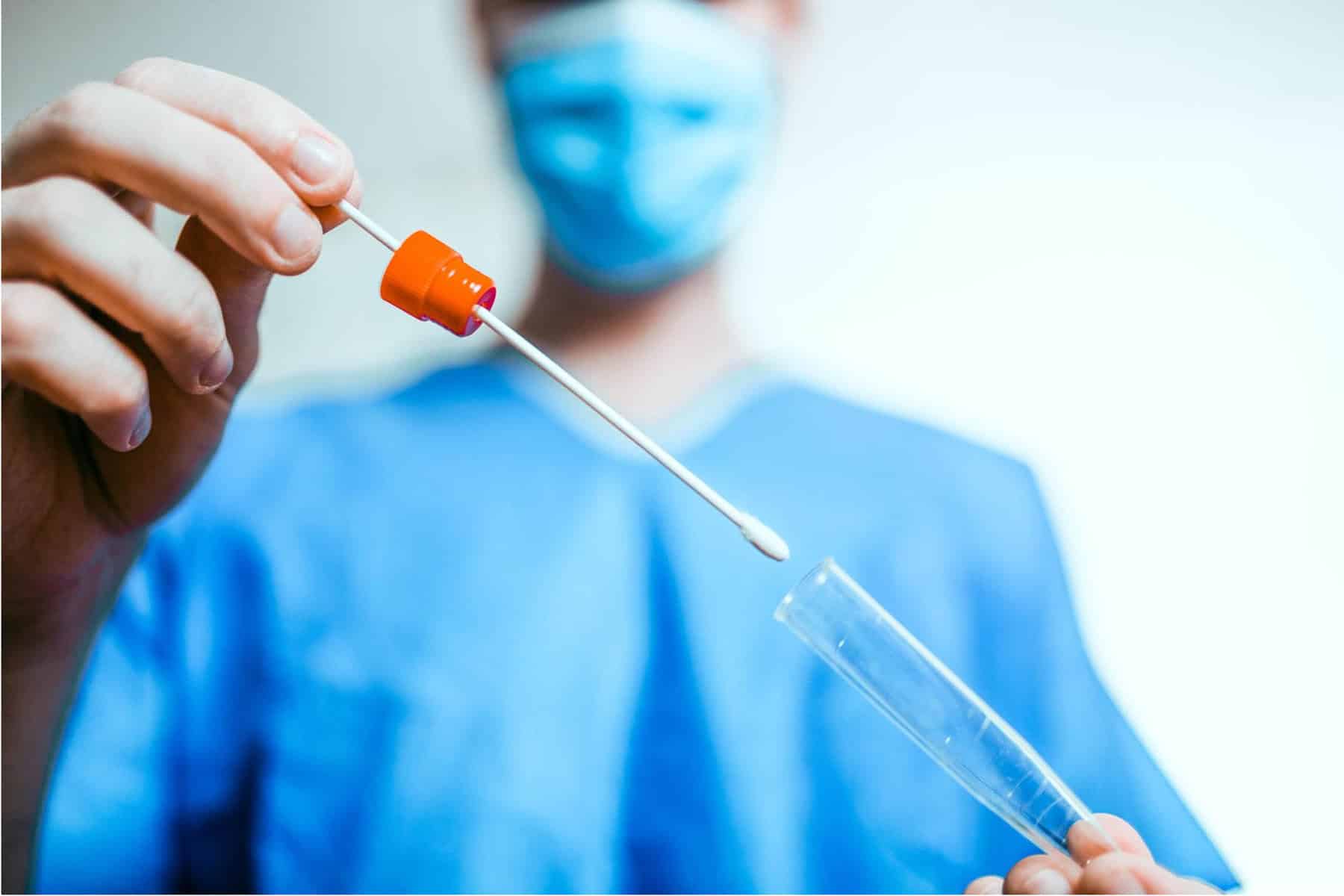
Genetic testing does not replace mammography or ultrasound — it enhances them.
Your personalised risk profile guides:
- When to begin breast imaging
- How often to repeat scans
- Whether additional MRI or ultrasound may be useful
This ensures screening is neither delayed nor excessive, but tailored precisely to your needs.
Breast Cancer Screening FAQs
- Do I need to visit the clinic for this test?
Not unless your results show something that needs discussion — most people complete the test entirely at home
- Is this the same as BRCA or other inherited genetic testing?
No. Personalised screening uses common genetic variations to support tailored screening decisions. Testing for rare inherited mutations such as BRCA1 or BRCA2 is separate and may be recommended for individuals with strong family histories or specific risk factors.
- Do I need a family history to have the test?
No. Most women with breast cancer have no close relative affected — genetic testing identifies risk that might otherwise be hidden.
- How long will it take to get results?
Results are typically available within 6-8 weeks. A detailed report will be sent to you directly.
- At what age should I get a breast screening?
In the UK, NHS breast screening invitations start from age 50. However, about 1 in 5 breast cancers are diagnosed in women under 50, so some women may benefit from earlier assessment.
At The Forbury Clinic, personalised breast cancer screening can be considered from age 30 onwards, particularly if you have a family history, known genetic risk, or simply want greater reassurance. Your consultant can help you decide when to begin screening and which tests are appropriate for your age and level of risk.
Why Choose The Forbury Clinic?
Choosing The Forbury Clinic means your breast health is managed by experienced consultant radiologists, surgeons and genetics specialists who combine medical precision with compassion. Our screening services are consultant‑led, evidence‑based and designed for comfort and clarity. With home genetic testing, rapid results, and personalised clinical advice, The Forbury Clinic offers early access to preventive care in an environment built on trust and discretion.