Inflammation Blood Test
We provide reliable private blood tests with clear clinical interpretation at The Forbury Clinic. Our doctors review your results in context, helping you understand what elevated markers may mean and whether further investigation is required.
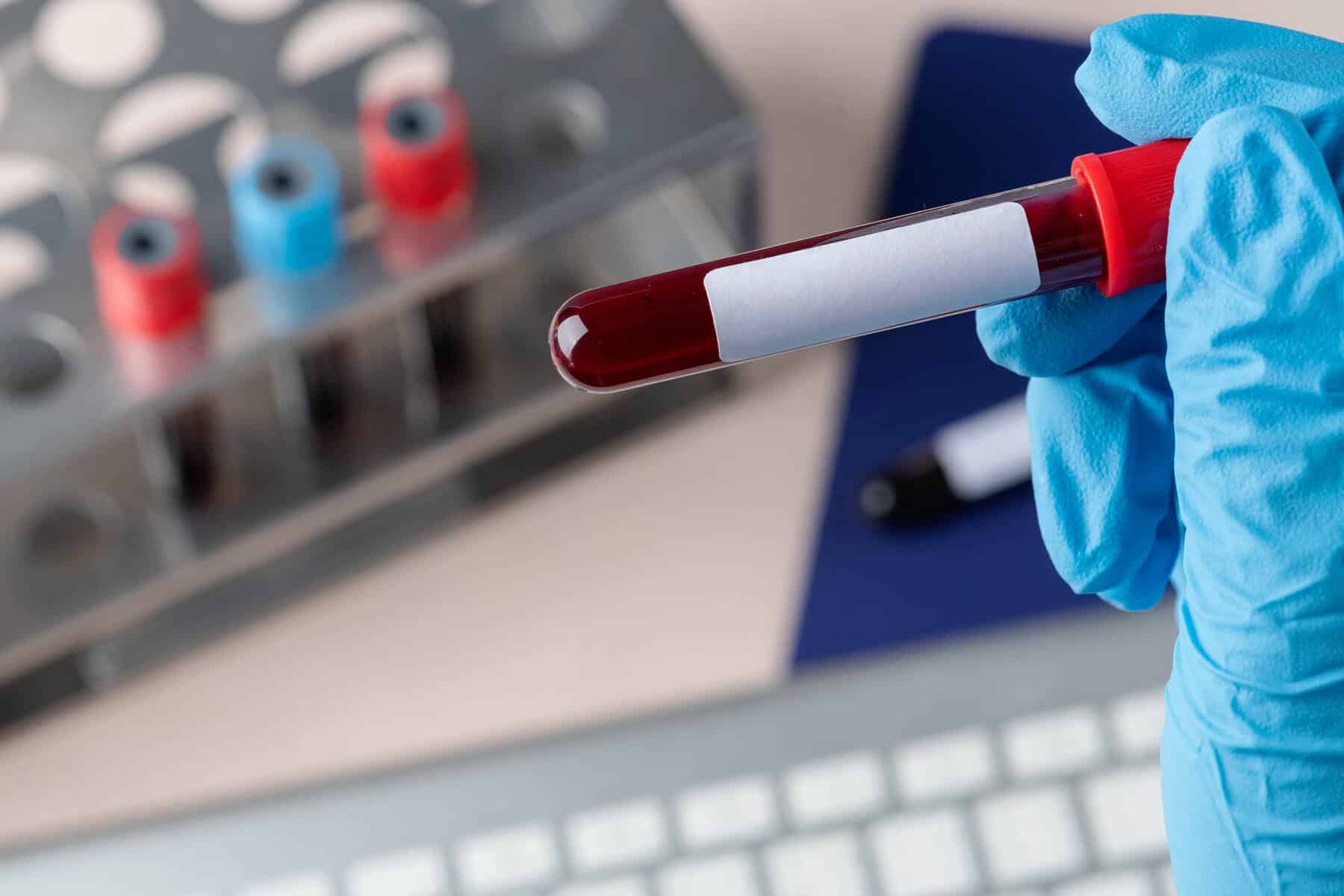
What Is an Inflammation Blood Test?
An inflammation blood test helps detect signs of inflammation within the body by measuring specific markers in your bloodstream. Inflammation is part of the body’s natural immune response to infection or injury, but ongoing or unexplained inflammation may indicate an underlying medical condition. Identifying raised inflammatory markers can support diagnosis, monitor chronic disease or assess how well treatment is working.
An inflammation blood test typically measures markers such as:
- C-reactive protein (CRP)
- Erythrocyte sedimentation rate (ESR)
CRP is a protein produced by the liver in response to inflammation. ESR measures how quickly red blood cells settle in a test tube, which increases when inflammatory proteins are present. These tests do not identify the exact cause but signal that inflammation may be present somewhere in the body.
They are often used when symptoms are non-specific; such as fatigue, joint pain, fever or unexplained discomfort.













What Does Inflammation Indicate?
Inflammation is a protective response triggered by infection, injury or immune system activity. Short-term inflammation supports healing. However, persistent or high levels of inflammation can be associated with conditions such as autoimmune diseases, chronic infections, inflammatory bowel disease or arthritis.
An inflammation blood assessment helps determine whether symptoms may have an inflammatory basis and whether additional testing is necessary to identify the source.
Understanding Inflammation Test Results
Normal CRP and ESR levels vary between laboratories, but low values generally indicate no significant inflammation.
- Elevated CRP may suggest acute infection, tissue injury or chronic inflammatory disease.
- Raised ESR can reflect ongoing inflammatory or autoimmune processes.
Because these markers are non-specific, your clinician will interpret them alongside your symptoms, medical history and other laboratory findings to guide next steps.
What Symptoms Might Lead to an Inflammation Blood Test?
An inflammation blood test may be recommended if you experience:
- Persistent fatigue or low-grade fever
- Joint stiffness or swelling
- Unexplained muscle aches
- Ongoing digestive symptoms
- Recurrent infections
Testing can also be used to monitor diagnosed conditions and evaluate how well treatments are controlling inflammation.
How Long Do Inflammation Blood Test Results Take?
Results are typically available within 24 to 48 hours, depending on laboratory turnaround times. Once available, a clinician will review the findings and explain whether further investigations or treatment adjustments are needed.

Inflammation Blood Test FAQs
- What conditions can cause raised inflammation markers?
Infections, autoimmune disorders, chronic inflammatory diseases and some cancers can increase CRP or ESR levels. Minor illnesses such as colds may also temporarily elevate results.
- Do I need to prepare for the test?
No special preparation is usually required. You can eat and drink normally unless advised otherwise.
- Can inflammation levels return to normal?
If your level is low, you may be advised to increase intake through dietary sources such as leafy greens, nuts and whole grains or to take supplements. High levels are managed by adjusting medication or treating underlying kidney issues.
- How often should inflammation markers be monitored?
Frequency depends on your clinical situation. For chronic inflammatory conditions, repeat testing may be used to track disease activity or response to treatment.

Why Choose The Forbury Clinic?
The Forbury Clinic provides consultant-led blood assessments in a professional and reassuring environment. We combine accurate laboratory analysis with thoughtful medical review, ensuring you receive meaningful results and clear guidance about your health.
If you would like to arrange an inflammation blood test in Reading, contact us to book your appointment.