Ferritin Blood Test
A ferritin blood test checks the level of stored iron in your body. It is commonly used to investigate symptoms such as fatigue, hair thinning or unexplained weakness, and to help diagnose iron deficiency or iron overload.
What is a Ferritin Blood Test?
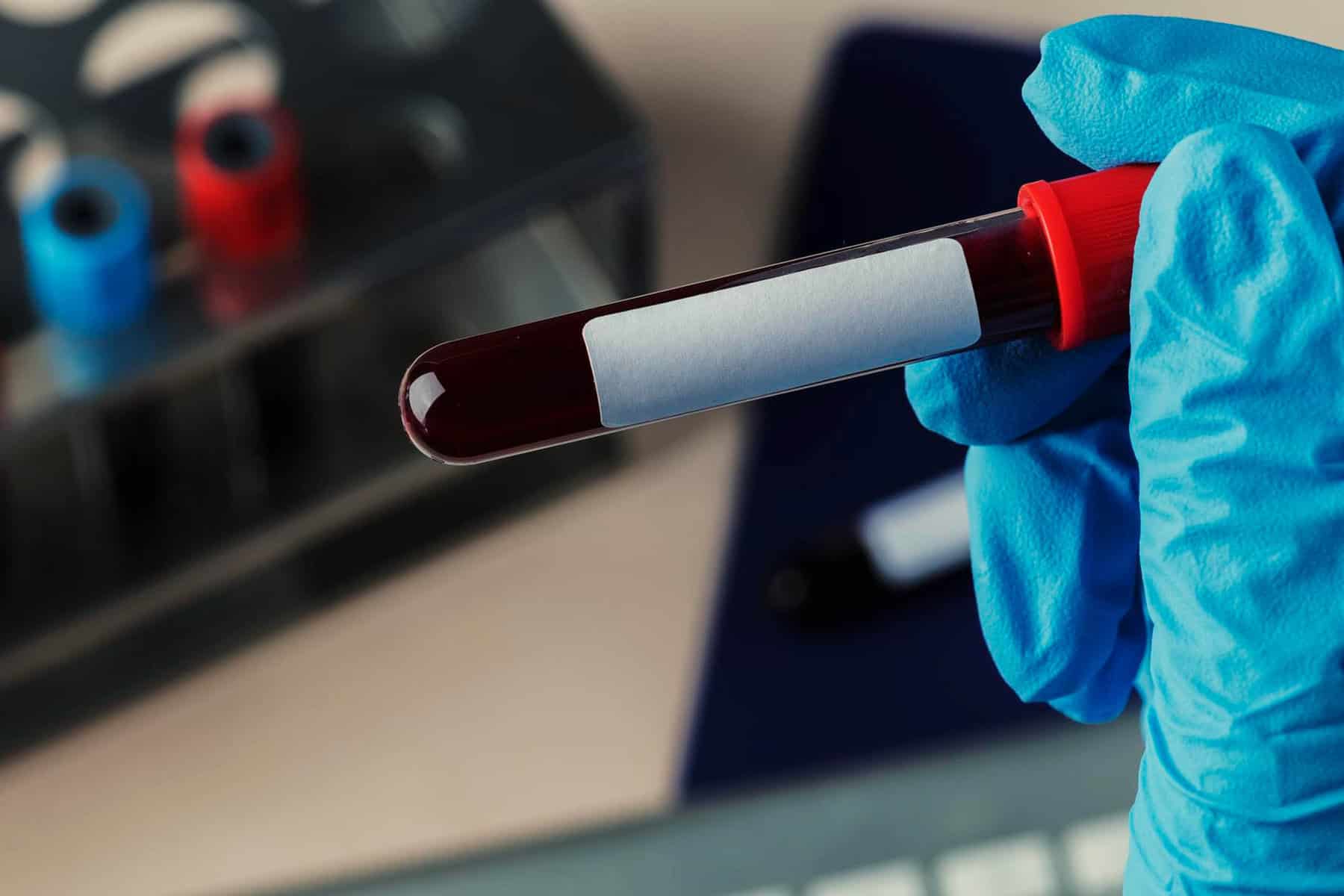
Ferritin is a protein that stores iron inside your cells. A ferritin blood test measures the amount of this stored iron in your bloodstream. Because ferritin reflects your body’s iron reserves, it is one of the most useful early indicators of iron deficiency. It is often requested if you have symptoms of anaemia or if routine blood tests show changes in haemoglobin, the protein that carries oxygen in red blood cells.








What does Ferritin measure?
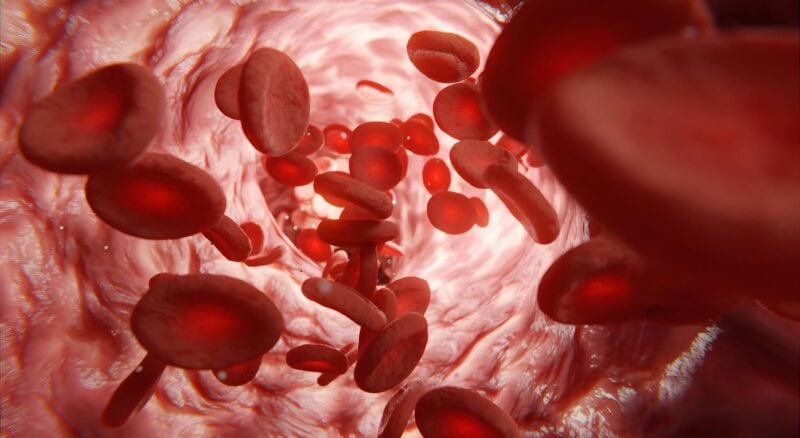
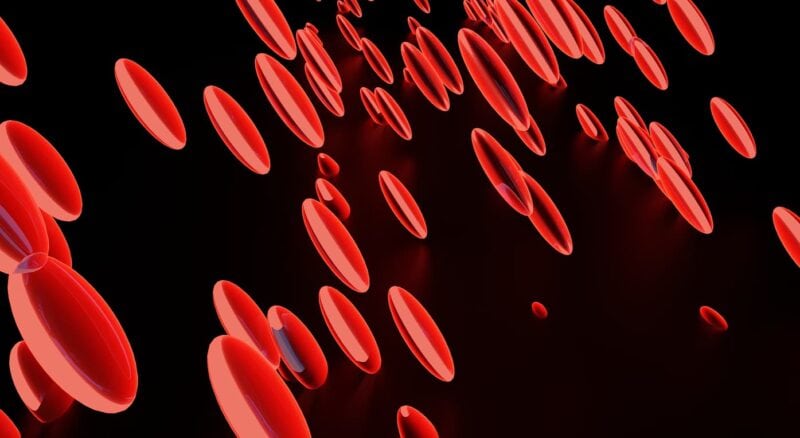
Ferritin measures how much iron your body has in reserve rather than how much iron is circulating at that moment. Iron is essential for producing haemoglobin, which allows red blood cells to carry oxygen around the body. Low ferritin levels may suggest iron deficiency, which can lead to iron deficiency anaemia if untreated. High ferritin levels can sometimes indicate inflammation, liver disease or iron overload conditions such as haemochromatosis.
Understanding Ferritin levels
Ferritin results are measured in micrograms per litre (µg/L). Normal reference ranges vary slightly between laboratories, age and sex. In adults, typical ranges are approximately 15 to 150 µg/L for women and 30 to 400 µg/L for men, although this may differ depending on the lab.
Low ferritin usually indicates depleted iron stores. This can be caused by blood loss, heavy menstrual periods, pregnancy, low dietary intake or problems absorbing iron. High ferritin levels do not always mean excess iron. Ferritin can rise during infection or inflammation because it acts as an acute phase protein, meaning it increases as part of the body’s inflammatory response. Results should always be interpreted alongside your symptoms and other blood tests rather than in isolation.
What symptoms are linked to low Ferritin?
Low ferritin is commonly associated with tiredness, weakness and reduced stamina. Some people experience shortness of breath on exertion, pale skin, headaches or difficulty concentrating. Hair thinning and brittle nails can also occur. If iron deficiency progresses, symptoms of iron deficiency anaemia may develop.
How long does it take to get Ferritin results?
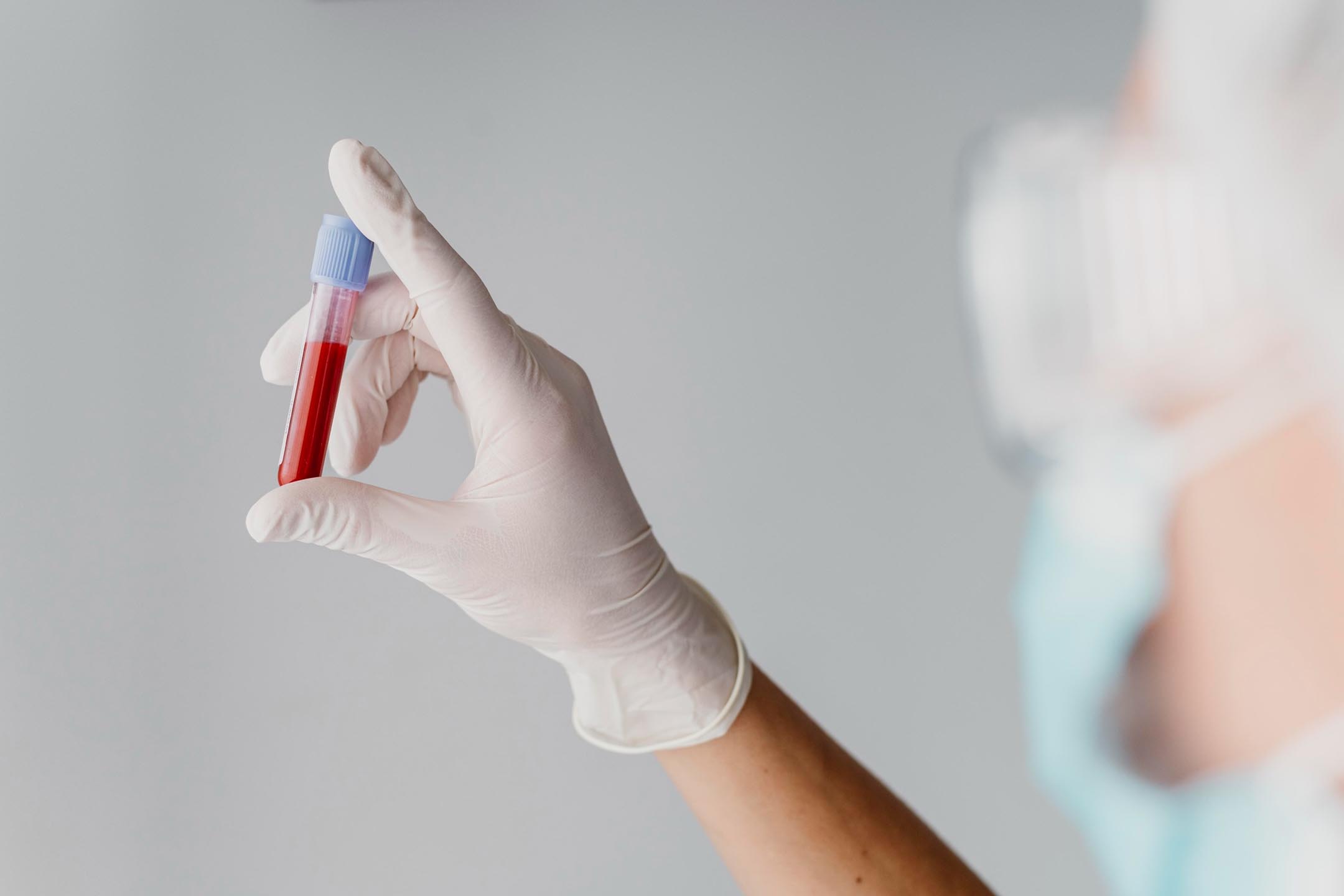
Ferritin blood test results are usually available within 24 to 48 hours, depending on laboratory processing times. Once available, a clinician will review your results and explain what they mean. If further investigation or treatment is required, we will guide you through the next steps clearly and promptly.

Why Choose The Forbury Clinic?
Your care is consultant-led from the outset at The Forbury Clinic. We combine accurate laboratory testing with thoughtful clinical interpretation and personalised follow-up. Our focus is on helping you understand the cause of your symptoms and planning the right next step with confidence.
Contact us today to book your Ferritin blood test appointment.