Cataract surgery is one of the most commonly performed procedures worldwide, often restoring vision and greatly improving quality of life. However, for some patients, vision can become cloudy again months or even years after the initial operation. This is usually caused by a condition called Posterior Capsule Opacification (PCO).
YAG laser surgery (also known as YAG capsulotomy) is a safe, effective procedure designed to restore clarity when PCO occurs. This guide offers clear, reassuring information about what it involves, why it might be needed and what patients can expect.
Understanding Posterior Capsule Opacification (PCO)
What Happens After Cataract Surgery
During cataract surgery, the cloudy natural lens of the eye is replaced with a clear artificial one. The procedure is highly successful, with most people enjoying significantly improved vision and a smooth recovery period.
Why Vision Can Become Cloudy Again
In some cases, the thin membrane (posterior capsule) that holds the new lens in place can become cloudy over time. This is known as Posterior Capsule Opacification (PCO), and it’s sometimes referred to as a “secondary cataract”, though it isn’t a true cataract. This clouding scatters light as it enters the eye, making vision less sharp or even glare-prone again.
How Common Is It?
Studies suggest that around 20–30% of people will develop PCO within a few years after cataract surgery. It’s not a complication of the surgery itself, but a known and treatable effect of the healing process for some patients.
What Is a YAG Capsulotomy?
How the Procedure Works
YAG Laser Capsulotomy uses a highly focused beam of light to create a small opening in the cloudy capsule behind the artificial lens. This allows light to pass through clearly again, restoring sharp vision without the need for another invasive operation.
What to Expect During the Appointment
The procedure is usually performed in a clinic setting and takes just a few minutes. It’s non-invasive, meaning there are no incisions or stitches involved. Patients typically receive dilating eye drops and may also be given a numbing drop to prevent discomfort. Most people describe the experience as painless and surprisingly straightforward.
Recovery and Aftercare
After YAG capsulotomy, vision often begins to improve within a few hours. Most people can return to daily activities the same day, although it’s sensible to arrange transport home, as the dilating drops can temporarily blur vision. Normally no follow up is required post laser as complications are so rare.

Signs You Might Need a YAG Capsulotomy
Changes in Your Vision
If your sight becomes blurry, hazy or more sensitive to glare after a period of clear vision following cataract surgery, it could indicate PCO. Reading may become harder, especially in low light, and bright lights might cause halos or discomfort.
Eye Test Indicators
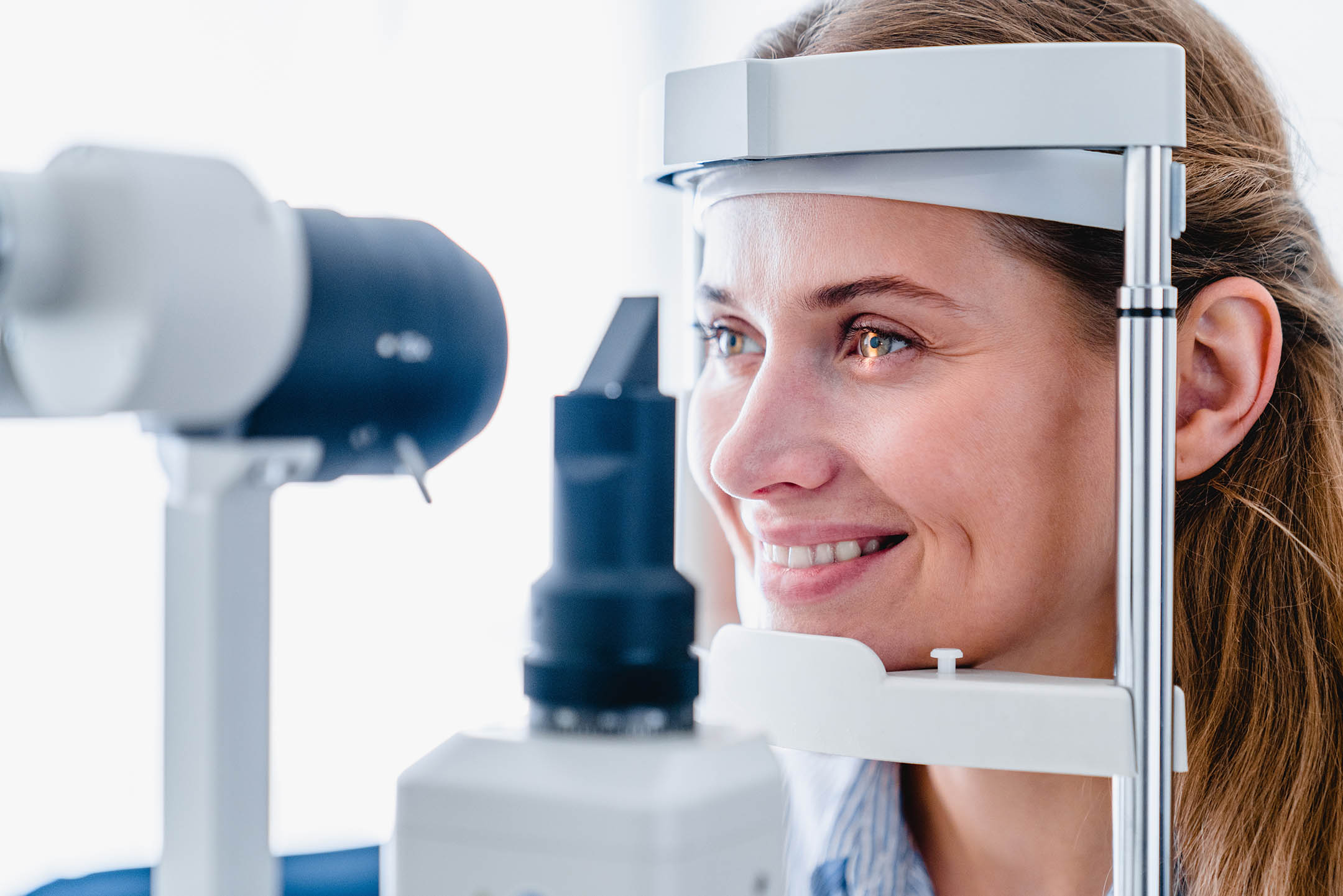
An optometrist or ophthalmologist can detect signs of PCO during a routine eye examination. Using a slit lamp, they assess whether the posterior capsule has thickened or clouded. In some cases, further tests such as visual acuity or glare sensitivity may help confirm the need for treatment.
When to Seek Advice
If your vision changes or deteriorates after initially successful cataract surgery, it’s important not to ignore it. Prompt evaluation can help rule out other causes and ensure that, if PCO is present, a YAG capsulotomy is offered at the right time to restore clarity.
Risks and Benefits of YAG Capsulotomy
Vision Improvement Outcomes
Most people experience a rapid and lasting improvement in their vision after YAG laser surgery. It’s a highly effective treatment for restoring clarity and reducing glare, enabling patients to read, drive and carry out daily activities with confidence once more.
Possible Side Effects or Complications
As with any medical procedure, there are risks to consider. Some people notice floaters (small specks or shapes drifting in their vision) after the procedure. These settle in almost all cases over a few days to weeks. In rare cases, YAG capsulotomy can increase eye pressure or slightly raise the risk of retinal detachment, particularly in highly short-sighted individuals. An experienced consultant will assess your personal risk before proceeding.
Comparison to Initial Cataract Surgery
Compared to the original cataract operation, YAG capsulotomy is faster, simpler and usually carried out in an outpatient setting. It does not involve any incisions or the need for anaesthesia beyond eye drops, and recovery is typically fast. The success rate is extremely high, making it a trusted solution when vision becomes clouded after lens replacement.
Is the Procedure Covered and Necessary?
NHS and Private Healthcare Coverage
In the UK, YAG capsulotomy is generally covered by the NHS when deemed clinically necessary. However, waiting times can be lengthy. Many patients opt for private treatment, especially if symptoms are affecting their quality of life. At The Forbury Clinic, we offer prompt access to private YAG laser surgery with consultant-led care in a comfortable, professional setting.
Medical Necessity vs Elective Choice
Not everyone with PCO needs immediate treatment. If symptoms are mild or not interfering with daily activities, your consultant may suggest monitoring rather than intervention. However, once your vision is significantly affected, YAG capsulotomy is considered medically necessary and offers a straightforward path to visual recovery.
Restoring Clarity After Cataract Surgery
YAG capsulotomy is a safe, effective way to treat cloudy vision caused by PCO – a common after-effect of cataract surgery. With its quick, non-invasive process and high success rate, it helps many patients regain the sharp, clear sight they enjoyed post-surgery. If you’re experiencing changes in your vision, trusted guidance and care are available.
Looking to explore whether YAG laser surgery is right for you? Contact The Forbury Clinic today to arrange a consultation.