Skin cancer is one of the most common cancers in the UK. Thankfully, it is also one of the most treatable when found early. Regular skin checks, mole monitoring and prompt professional assessment all make a vital difference. The Forbury Clinic’s Private Dermatology Clinic offers fast access to experienced dermatologists, ensuring accurate diagnosis and evidence‑based care for every patient who notices concerning changes in their skin.
Understanding Skin Cancer
Skin cancer occurs when skin cells begin to grow abnormally, often due to long‑term exposure to ultraviolet (UV) light from the sun or tanning devices. It usually develops on areas that receive frequent sun exposure, such as the face, scalp, arms or legs, but can appear anywhere on the body.
There are three main types of skin cancer: basal cell carcinoma, squamous cell carcinoma, and melanoma. Basal and squamous cell carcinomas are called non‑melanoma skin cancers and tend to grow slowly but can cause local damage if untreated. Melanoma is less common but more aggressive and can spread to other parts of the body.
Early Warning Signs to Watch For
Recognising early signs of skin cancer significantly improves treatment success. A dermatologist uses the “ABCDE” guide to help identify moles or lesions that may need review:
A – Asymmetry: One half of the mole looks different from the other.
B – Border: The edges are irregular, blurred or poorly defined.
C – Colour: Uneven colouring or multiple shades of brown, black, red or white within one spot.
D – Diameter: Any mole larger than 6 mm, or one that appears to be growing.
E – Evolving: Changes in size, shape, texture or colour – or new symptoms such as bleeding or itching.
Other concerning signs include rough, scaly patches, non‑healing wounds or shiny pink or pearly bumps that persist. Because not all suspicious spots are painful, regular self‑checks and a professional mole check in Reading can identify early abnormalities before they become serious.
Benefits of Visiting a Private Dermatology Clinic
A private clinic provides prompt, specialist care from consultant dermatologists who are highly experienced in assessing skin lesions and diagnosing early cancerous changes.
Rapid Access and Short Waiting Times
Private appointments are often available within days, avoiding long referral delays and reducing anxiety while you wait. Early evaluation by a dermatologist speeds up both reassurance and treatment planning.
Consultant‑Led Expertise
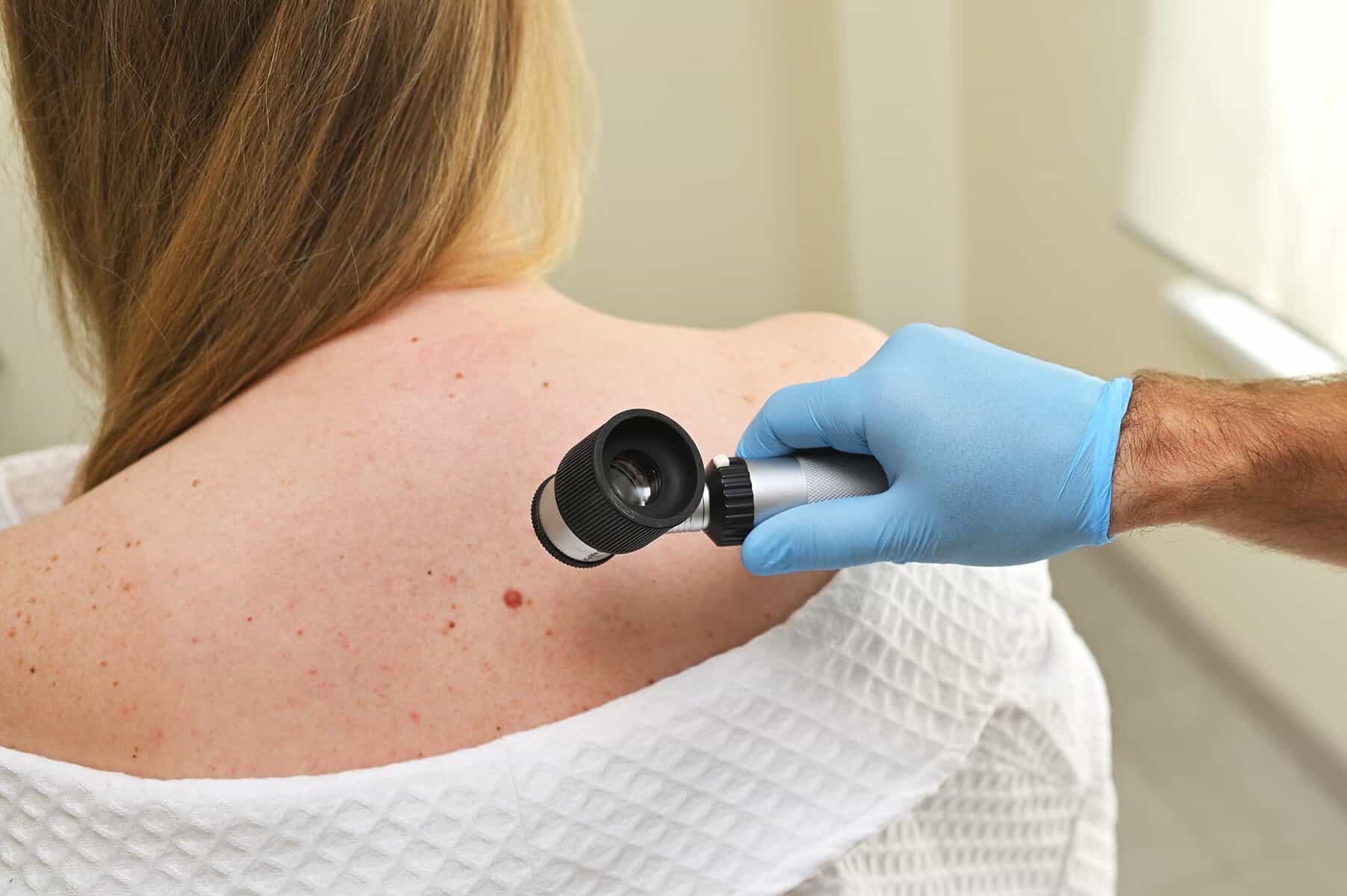
Consultations at The Forbury Clinic are entirely led by dermatology specialists trained in distinguishing benign growths from suspicious lesions. Using dermoscopy (a magnified light‑based technique) our clinicians can analyse the colour and structure of moles in detail to identify subtle signs of change.
On‑Site Diagnostics and Biopsy Services
When further analysis is needed, small skin biopsies or minor mole removal can often be carried out on site under local anaesthetic. Laboratory assessment provides a definitive diagnosis, and early removal helps ensure positive outcomes.

How Dermatologists Diagnose and Treat Skin Cancer
Comprehensive assessment at The Forbury Clinic combines clinical expertise with modern tools to deliver accurate results and effective treatment plans.
Skin Examination and Dermoscopy
A full skin review allows the dermatologist to examine all visible lesions, while dermoscopy magnifies the skin’s surface for clearer assessment of pigment networks and structural changes.
Skin Biopsy for Definitive Diagnosis
If a mole or lesion shows concerning features, a small biopsy is taken under local anaesthetic for histological analysis. This confirms whether cancer cells are present and what type of skin cancer is involved.
Treatment Options
Depending on the diagnosis and stage, treatment options include surgical excision (removal with a margin of healthy tissue), cryotherapy (freezing early lesions), topical or light‑based treatments for pre‑cancerous changes, or referral for specialist oncology input for rare cases. Your dermatologist will tailor the approach carefully for safety, comfort and long‑term cosmetic results.
Why Early Detection Matters
Catching skin changes early ensures simpler treatment and a much higher chance of complete cure. Early referral often allows removal through local excision without the need for complex reconstructive surgery. For melanoma, early diagnosis before spread is critical for long‑term survival.
Regular skin examinations detect pre‑cancerous conditions such as actinic keratoses, allowing proactive treatment before they become cancerous. Ongoing follow‑up within a private dermatology setting ensures consistent monitoring and reassurance.
Protecting Your Skin All Year Round
Sun Protection Habits
The best prevention is consistent sun protection. Use SPF 30 or higher daily, wear protective clothing and seek shade during peak sunlight hours (11 a.m. – 3 p.m.). Avoid tanning beds or excessive sunbathing, as UV exposure remains the biggest risk factor for all types of skin cancer.
Self‑Checking Between Appointments
Perform a monthly self‑check of your skin in good lighting, including less visible areas such as the back, scalp and soles of the feet. Photograph moles to track subtle changes and arrange a review if you notice new lesions or anything that looks different.
Private Dermatology Care in Reading
Professional assessment is the safest way to confirm whether a mole or patch of skin is harmless or needs treatment. The Forbury Clinic’s Private Dermatology Clinic in Reading offers access to consultant dermatologists, modern diagnostic tools and same‑day minor procedures when appropriate. By combining expertise and patient‑centred care, our team supports early detection, effective therapy and ongoing skin health for life.
Book a consultation at our Private Dermatology Clinic in Reading to arrange a professional mole check or skin assessment today.