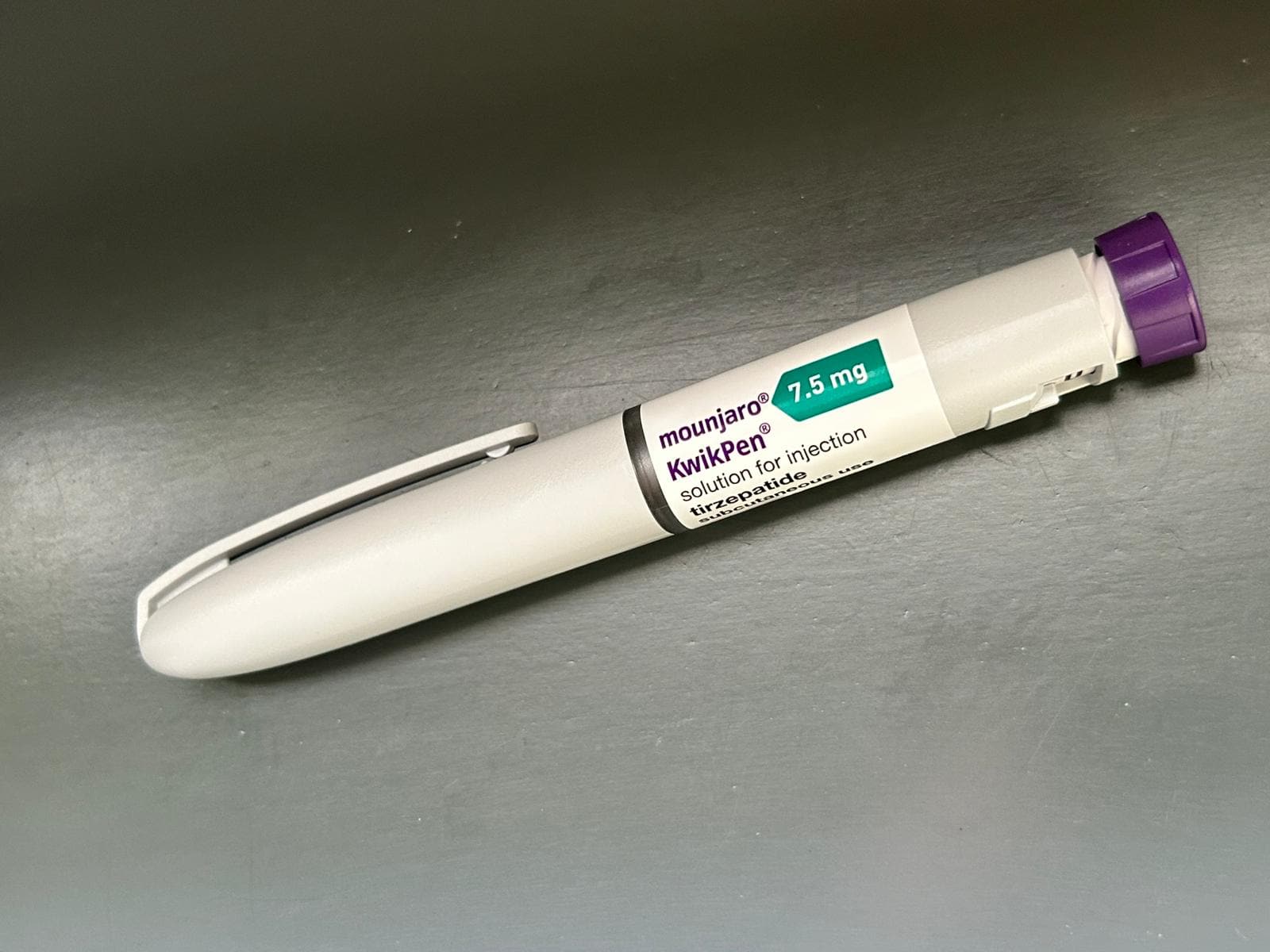
Mounjaro has emerged as one of the most talked-about treatments in recent years, gaining attention for its role in supporting weight management. Originally developed to help regulate blood sugar, it has quickly grown in popularity among people seeking effective and sustainable ways to lose weight. With interest in weight loss injections rising, Mounjaro stands out for the results seen in both clinical studies and everyday use. This article explores how Mounjaro works, how to access it through prescription and consultation, and the key considerations anyone should keep in mind before starting treatment.
What is Mounjaro?
Mounjaro is a prescription medication first developed to treat type 2 diabetes by helping control blood sugar levels. It works through a once-weekly injection, designed to regulate appetite and improve how the body uses insulin. This once-weekly Mounjaro injection is available through prescription and consultation with our clinic.
While its primary medical use remains diabetes management, Mounjaro has gained wider recognition for its impact on weight loss. Many patients and healthcare providers have noticed significant benefits beyond blood sugar control, leading to growing demand for the Mounjaro injection as a weight management option. This shift has made it one of the most discussed treatments in both medical settings and everyday conversations about health.
How Mounjaro Supports Weight Loss
Mounjaro (tirzepatide) helps with weight loss by elegantly hijacking your gut’s hormone system. It works via injection and targets two key receptors: GLP‑1 and GIP. Activating them boosts insulin release when glucose is high, reduces glucagon output from the liver, slows how quickly the stomach empties, and promotes feelings of fullness, so you naturally eat less while keeping your blood sugar in check. That’s the magic behind Mounjaro weight loss.
Results Seen in Clinical Studies
Clinical trials have delivered seriously eye‑popping outcomes. In a 72-week study of adults with obesity (but not diabetes), people using Mounjaro lost between 15% (on a 5 mg dose) and 20.9% (on 15 mg) of their body weight, vastly more than those on placebo, Source: Wikipedia. Another head-to-head trial against Wegovy (semaglutide) drove home the point: Mounjaro users lost about 20.2% of their body weight versus 13.7% for Wegovy users over 72 weeks – Source : The New England Journal of Medecine.
More evidence from Nature Medicine shows that around 800 participants lost an average of 25% of their body weight (about 60 pounds) when combining Mounjaro with diet and exercise, 88% of them lost at least 5% of their weight. Long-term data hint at durability too: weight loss sustained for at least three years.Source : AP News
How does Mounjaro work for weight loss and diabetes?
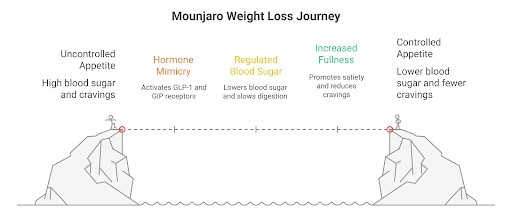
Mounjaro helps with weight loss by mimicking natural hormones in the body that regulate blood sugar and appetite. It works on both GLP-1 and GIP receptors, which not only lower blood sugar levels but also slow down digestion and increase feelings of fullness. As a result, people tend to eat less and experience fewer cravings. Clinical studies have shown that patients taking Mounjaro lose a significant amount of weight compared to those on other treatments, making it one of the most effective medical options currently available for managing obesity alongside type 2 diabetes.
Mounjaro Weight Loss Journey Explained
Mounjaro reduces appetite and cravings by mimicking gut hormones, regulating blood sugar, and increasing fullness.
Is Mounjaro Safe for Your Health?
Mounjaro (tirzepatide) is a new type of injectable medicine designed for people with type 2 diabetes, and it is now being used for weight management too. Clinical studies show that it can lower blood sugar and support significant weight loss, which in turn reduces long-term risks such as heart disease and complications from diabetes.
When used under medical supervision, Mounjaro is considered safe for most patients. However, like all prescription medicines, it comes with possible side effects. The most common ones include nausea, constipation, diarrhoea and reduced appetite, which usually improve over time. More serious risks, although rare, include inflammation of the pancreas, gallbladder problems, and potential concerns about thyroid tumours.
Doctors usually recommend avoiding Mounjaro if you or a close family member have a history of medullary thyroid cancer or multiple endocrine neoplasia syndrome type 2. Because of these risks, it should only be taken when prescribed by a qualified healthcare professional who can monitor your progress.
In summary, Mounjaro can be safe and effective for the right patients, but it is not suitable for everyone. The key is proper medical guidance, so always consult your doctor before starting treatment. Book a consultation with one of our specialists today !
How much weight can you lose on Mounjaro?
Weight loss with Mounjaro happens gradually, usually over several months of treatment. In clinical studies, many patients lost 5–7% of their body weight within the first 12 weeks. With continued use, weight loss typically increased to 15–22% of body weight after about 72 weeks (just over 16 months). This means a person starting at 100kg could lose around 5–7kg in the first three months and 15–22kg after a year and a half, especially when Mounjaro is combined with a balanced diet and regular physical activity.
To put the results into perspective, here’s how Mounjaro compares with other well-known weight loss injections like Wegovy and Ozempic.
| Medication | Average Weight Loss (%) | Study Duration |
|---|---|---|
| Mounjaro (tirzepatide) | 15% – 22% of body weight | 72 weeks |
| Wegovy (semaglutide) | ~13% – 14% of body weight | 68 weeks |
| Ozempic (semaglutide – lower dose) | ~7% – 9% of body weight | 68 weeks |
*Results may vary. Based on clinical trial data in adults with obesity or overweight.*
How to Access Mounjaro in the UK.
Mounjaro is currently available in the UK through private healthcare providers rather than the NHS. To access it, you need a prescription from a qualified doctor following a medical consultation. During this process, your GP will review your health, weight management goals, and suitability for treatment. If prescribed, Mounjaro is supplied as a once-weekly injection, with regular follow-ups recommended to monitor progress and adjust dosage if needed.
Book your Mounjaro consultation with our GP specialists today
Risks and Considerations
Like any prescription medication, Mounjaro comes with risks as well as benefits. The most common side effects reported are digestive issues such as nausea, diarrhoea, constipation, and reduced appetite. These are often mild and may ease as the body adjusts, but they can be uncomfortable at the start of treatment.
More serious side effects, though less common, include inflammation of the pancreas (pancreatitis), gallbladder problems, and changes in vision. Because Mounjaro works on hormones that affect insulin release, it is not suitable for people with a history of certain endocrine conditions, including thyroid cancer or multiple endocrine neoplasia syndrome type 2.
It may also interact with other medications, especially those that lower blood sugar, which increases the risk of hypoglycaemia. Pregnant or breastfeeding women should avoid using Mounjaro, and it is generally prescribed only after other factors such as diet and lifestyle have been carefully reviewed.
For these reasons, regular follow-ups with a doctor are important to monitor blood levels and check for any warning signs. Mounjaro can be a powerful tool for weight management, but it is not the right option for everyone, and safe use depends on close medical supervision.