
Menopause is a natural phase in a woman’s life that brings many changes, including those affecting bladder control. Menopause incontinence is a common issue that can significantly impact daily activities and self-confidence, Around 34% of UK women are living with urinary incontinence (any type/any frequency). Understanding how hormonal shifts affect bladder function and exploring effective treatments can help women regain control and improve their quality of life. Here you will find out the connection between menopause and incontinence and the options available for effectively managing symptoms.
How Menopause Affects Bladder Control
During menopause, the female body undergoes hormonal changes that influence various systems, including the urinary tract. These changes can weaken the support structures of the bladder and urethra, leading to bladder control issues. Recognising these effects is the first step towards effective management.
Hormonal Changes and the Pelvic Floor
Reduced oestrogen levels during menopause cause thinning and weakening of the pelvic floor muscles and tissues that support the bladder and urethra. This loss of strength affects bladder control, making it harder to prevent leakage during activities that increase abdominal pressure. The decline in oestrogen also reduces blood flow and elasticity in the vaginal and urethral tissues, further contributing to urinary symptoms.
Common Symptoms
Many women with menopause-related incontinence notice a cluster of symptoms that disrupt daily life and sleep. Common issues include:
- Urgency: a sudden, intense need to urinate
- Stress incontinence: leakage with coughing, sneezing, or exercise
- Frequent urination: needing to go more often than usual
- Nocturia: waking at night to urinate

Understanding the Different Types of Incontinence
Incontinence during menopause can take several forms, each with distinct causes and treatment approaches. Understanding these types helps in choosing the right management strategy.
Stress Incontinence
Stress incontinence occurs when weakened pelvic muscles cannot adequately support the bladder, causing urine leakage during physical activities such as coughing, laughing or exercising. It is one of the most common types seen in postmenopausal women.
Urge Incontinence
Urge incontinence is characterised by an overactive bladder muscle that causes a sudden and uncontrollable need to urinate. This can lead to involuntary leakage and frequent bathroom visits, disrupting daily life.
Mixed Incontinence
Mixed incontinence involves symptoms of both stress and urge incontinence. It is frequently observed in women after menopause and requires a comprehensive treatment plan addressing both muscle weakness and bladder overactivity.
Effective Treatments to Regain Control
Managing menopause incontinence often involves a combination of therapies tailored to individual needs. These treatments aim to strengthen the pelvic area and improve bladder function.
Pelvic Floor Physiotherapy
Pelvic floor therapy uses targeted exercises to strengthen the muscles supporting the bladder and urethra. Regular physiotherapy can improve muscle tone and control, reducing episodes of urinary leakage and enhancing bladder support.
Bladder Training and Lifestyle Changes
Bladder training involves learning to delay urination and increase bladder capacity through scheduled voiding. Coupled with lifestyle adjustments such as avoiding bladder irritants and maintaining hydration, this approach helps reduce urgency and frequency.
Hormone Replacement Therapy (HRT)
Topical Hormone Replacement Therapy (HRT) can restore oestrogen levels in the vaginal and urethral tissues, improving their strength and elasticity. HRT supports bladder health and can alleviate symptoms associated with menopause incontinence.
The Emsella Chair: A Non-Invasive Solution for Bladder Weakness
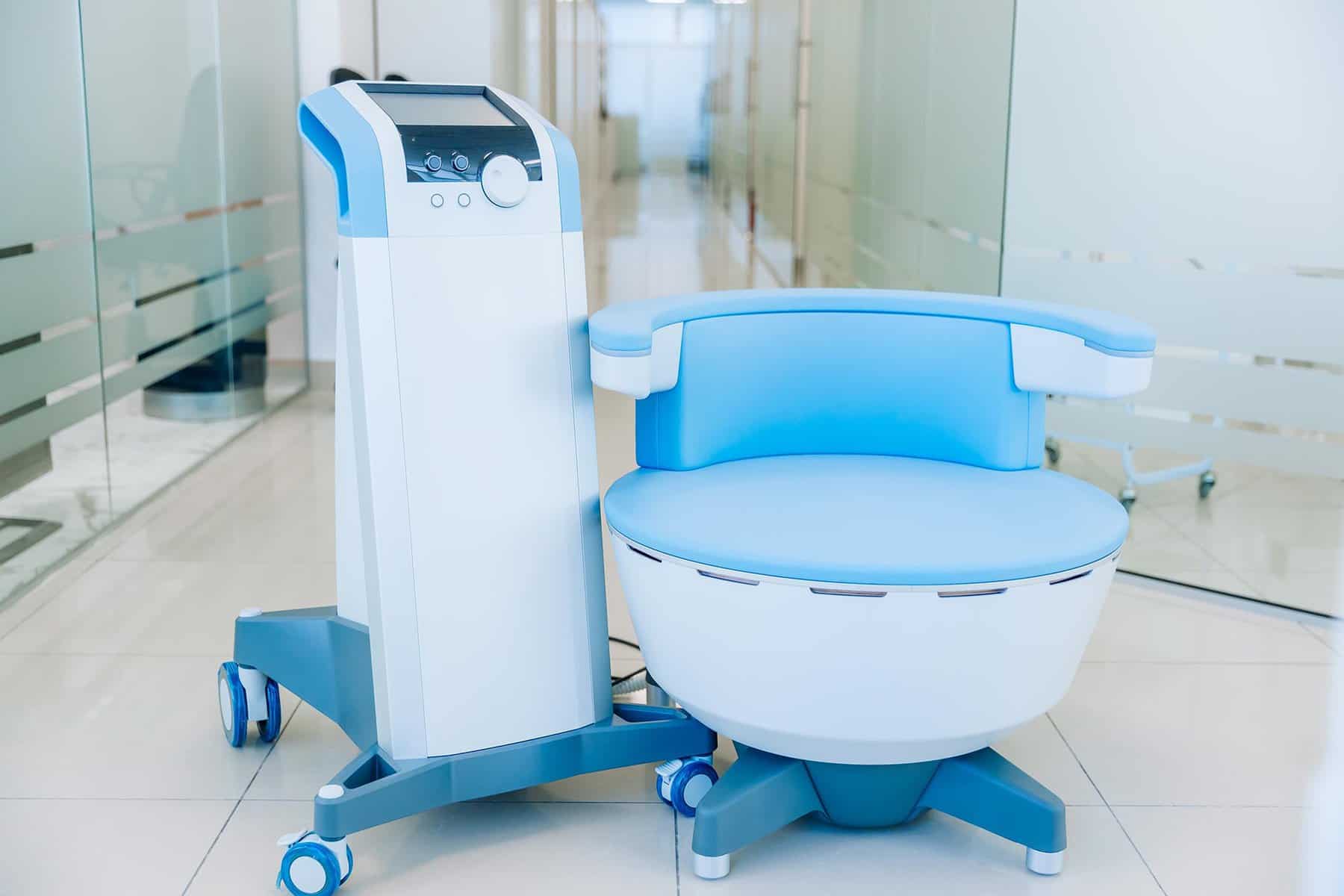
For women seeking a non-surgical option to strengthen pelvic floor muscles, the Emsella Chair offers an innovative solution.
How the Emsella Chair Works
The Emsella Chair uses high-intensity electromagnetic technology to induce thousands of pelvic floor muscle contractions in a single session. This non-invasive treatment strengthens muscles that support bladder control without discomfort or downtime.
Benefits of Emsella Treatment
Emsella treatment is comfortable, quick and suitable for women looking to improve bladder weakness without surgery. Many patients experience noticeable improvements in urinary control after just a few sessions.
What to Expect During Treatment
Sessions are short, typically around 30 minutes, with patients remaining fully clothed. Treatment plans usually involve multiple visits over several weeks, with no recovery time needed, allowing you to resume normal activities immediately.
Long-Term Results and Maintenance
Continued muscle strengthening through Emsella can lead to sustained reduction in urinary leakage and improved bladder function. Maintenance sessions may be recommended to preserve benefits over time.
When to Seek Professional Support
If bladder control issues interfere with your daily life or worsen over time, it is important to consult a specialist urology practitioner. Early assessment helps determine the most suitable treatment, whether physiotherapy, hormone replacement therapy or advanced options like Emsella sessions.
Reclaim Confidence and Control
Menopause incontinence can be both challenging and embarrassing, but effective treatments are available to help you regain comfort and control. Taking proactive steps to address bladder weakness supports your overall health and wellbeing during this important life stage.
Contact The Forbury Clinic today to explore personalised menopause incontinence treatments and start your journey to renewed confidence and quality of life.