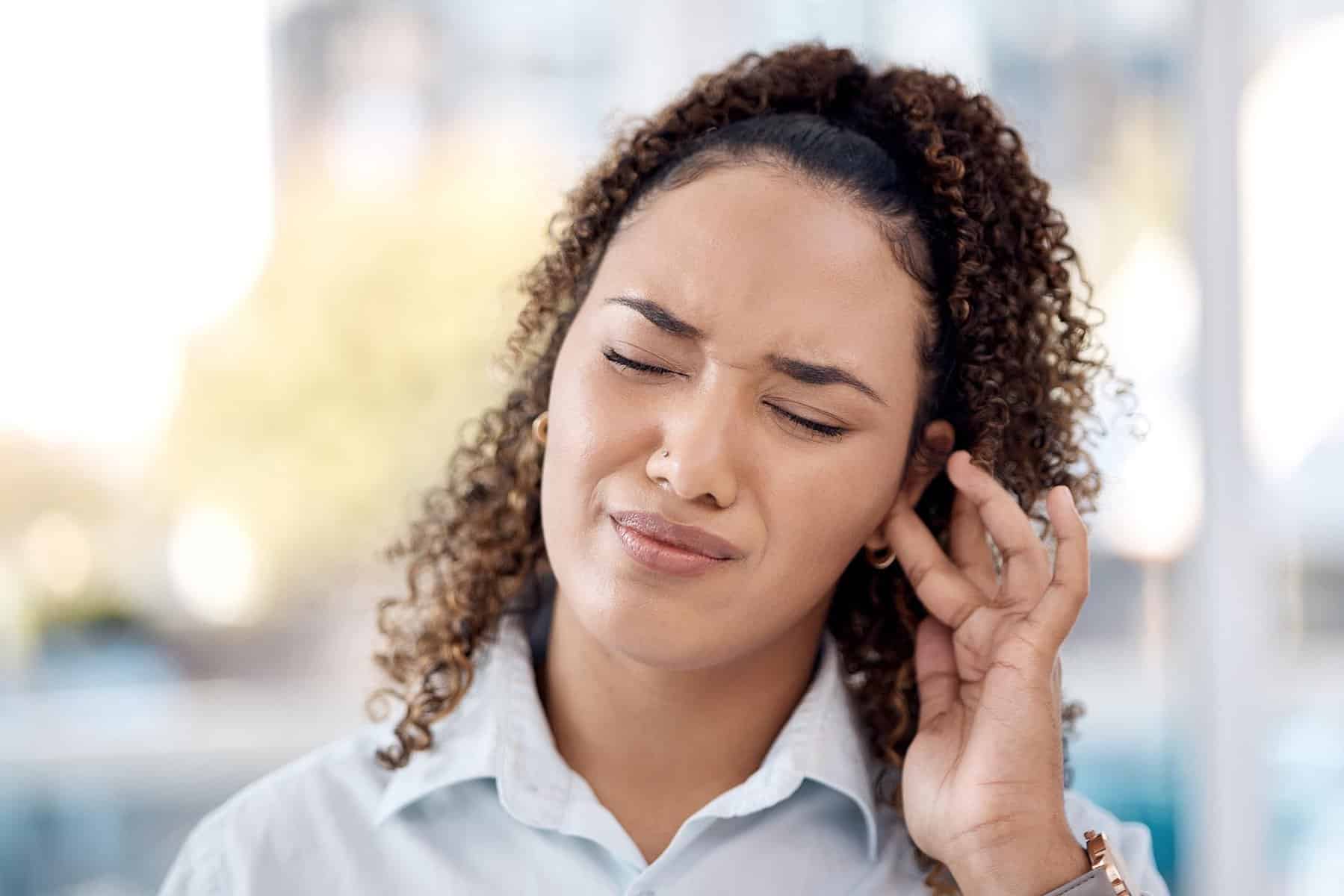
Ear wax, also known as cerumen, is a natural substance produced by your ears to protect and clean the ear canal. It traps dust, bacteria and other particles, preventing them from reaching the delicate inner ear. While ear wax plays an important protective role, sometimes it can build up excessively or become impacted, causing discomfort, pain or hearing difficulties. In such cases, professional ear wax removal is necessary to maintain ear health and comfort. Clear, patient-friendly advice on how often you should consider having your ear wax professionally removed can be found here.
Understanding Ear Wax and Its Role
What Is Ear Wax?
Ear wax is a sticky, waxy substance made up of secretions from glands in the ear canal, combined with dead skin cells and trapped debris. Its primary function is to protect the ear by trapping dust, dirt and microorganisms, helping to keep the ear canal clean and moisturised. Normally, ear wax naturally moves out of the ear canal on its own, aided by jaw movements such as talking, yawning and chewing.
When Does Ear Wax Become a Problem?
Problems arise when ear wax accumulates excessively or becomes impacted, blocking the ear canal. This can lead to symptoms such as hearing loss, a feeling of fullness or pressure in the ear, itching, pain or even infections. Impacted wax can interfere with hearing aids or earphones and may cause tinnitus (ringing in the ears). When these issues occur, professional ear wax removal is often the safest and most suitable solution.
Signs You May Need Professional Ear Wax Removal
Symptoms Indicating Excess Ear Wax
If you experience symptoms like muffled or reduced hearing, a sensation of fullness in the ear, itching, discomfort or pain, these may indicate a build-up of too much ear wax. Other signs include ringing in the ear, dizziness or discharge. These symptoms suggest that ear wax removal by a healthcare professional could improve your comfort and hearing.
Risks of Self-Cleaning
It can be tempting to use cotton buds, hairpins or other objects to clean your ears, but self-cleaning is not recommended. Such methods often push wax deeper into the ear canal, worsening impaction and potentially damaging the delicate surrounding skin or eardrum. Self-cleaning also increases the risk of infection. Professional ear wax removal is safe and effective, using specialised tools and techniques.
How Often Should You Get Ear Wax Removed Professionally?
Factors Influencing Frequency
The frequency of professional ear wax removal varies between individuals. Factors such as the natural shape of your ear canal, how much wax your ears produce and whether you use hearing aids or earplugs regularly can influence how quickly wax builds up. People with narrow or more hairy ear canals, or those prone to excessive wax production may need more frequent removal. A history of ear infections or previous wax impaction also increases the likelihood of needing regular removal.
General Recommendations
For most people, professional ear wax removal every six to twelve months is sufficient to maintain ear health and avoid discomfort. However, this can vary depending on individual needs and symptoms. Some may only require removal when symptoms develop, while others benefit from routine check-ups and cleaning to prevent problems before they start.
When More Frequent Removal Is Needed
Certain groups may require more frequent ear wax removal. Hearing aid users, for example, often experience faster wax build-up due to the device blocking natural wax migration. Similarly, those who use earplugs regularly or have a tendency toward wax impaction may need removal every few months. Your ENT specialist will advise on the best schedule based on your circumstances.
What to Expect During Professional Ear Wax Removal
Professional ear wax removal is performed using safe, effective methods such as microsuction or irrigation. Microsuction involves using a specialised suction device to gently remove wax under direct visual guidance, offering precise control and minimal discomfort. Irrigation uses a gentle stream of warm water to flush out wax, though it may not be suitable for everyone, especially those with certain ear conditions.
The procedure is generally quick, painless and carried out by trained specialists. You can expect a comfortable experience with minimal disruption to your day. Professionals take great care to ensure safety, avoiding damage to the ear canal or eardrum. After removal, your hearing often improves immediately, and any discomfort caused by wax impaction is quickly relieved.
Maintaining Healthy Ears Between Appointments
To help prevent excessive wax build-up, avoid inserting any objects into your ears and keep them dry and clean. Using earplugs or hearing aids as recommended and having regular check-ups also reduces the risk of impaction. If you notice symptoms such as hearing changes or discomfort, seek professional advice promptly rather than attempting self-removal.
Why Regular Professional Ear Wax Removal Matters
Regular professional ear wax removal is important for maintaining good ear health and optimal hearing. It prevents complications caused by wax impaction, such as infections, hearing loss and discomfort. By consulting specialists, you receive personalised advice combined with safe, effective treatment.
If you experience symptoms or have risk factors for wax build-up, The Forbury Clinic’s expert team is here to help you maintain healthy ears and clear hearing with professional ear wax removal.