What is a thyroid ultrasound
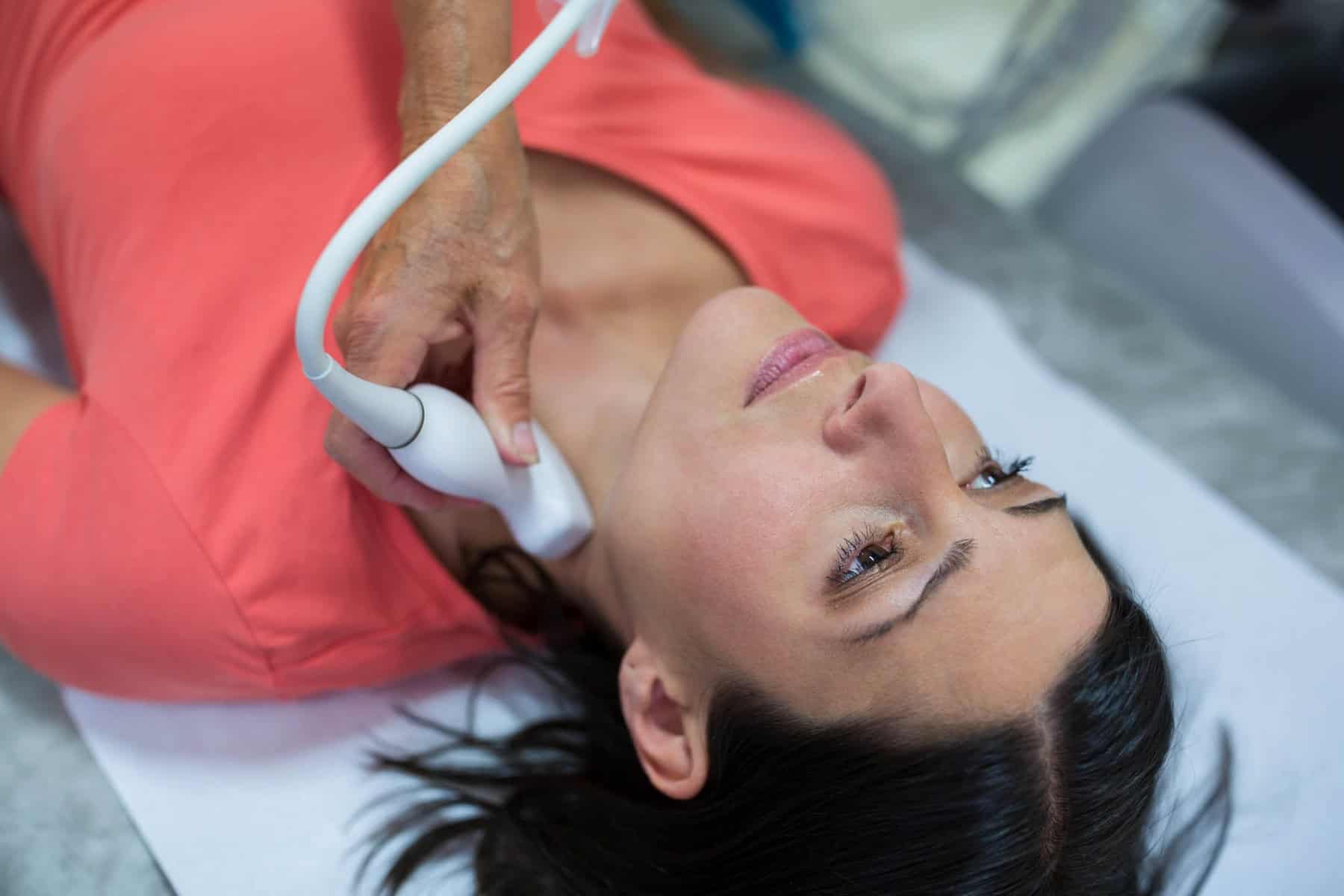
A thyroid ultrasound is a painless scan that uses high frequency sound waves to create detailed pictures of the thyroid gland at the front of the neck. It shows size, shape and internal structure, so clinicians can spot nodules, cysts or signs of inflammation without any radiation exposure. In the UK pathway it is the first imaging test when a thyroid lump or swelling is suspected.
Why a thyroid ultrasound may be recommended
Doctors request ultrasound to clarify a neck lump or swelling, confirm that a lump is thyroid rather than nearby tissue, and decide on next steps. Ultrasound is also used to guide needle sampling when needed, and to map lymph nodes if cancer is suspected or confirmed. NICE recommends using an established ultrasound grading system and offering fine needle aspiration when the grade reaches the set threshold.
Checking thyroid nodules
A nodule is a lump within the thyroid. Ultrasound tells whether it is solid or fluid filled, counts and measures nodules, and looks for features linked with higher cancer risk such as marked hypoechogenicity, irregular margins or tiny calcium specks. UK services commonly use the British Thyroid Association U classification from U1 normal to U5 highly suspicious to standardise reports and guide biopsy.
How often is a thyroid nodule cancer
Most thyroid lumps are benign. UK patient sources and services quote around one in twenty thyroid lumps as cancerous, and local UK pathways report only a small minority of sampled nodules prove to be malignant.
What the U grade means in practice
Studies of UK practice show cancer becomes more likely as the U grade rises. In one pragmatic UK series the proportion with cancer across U1 to U5 was zero percent, 13.6 percent, 30.4 percent, 40 percent and 100 percent respectively. Another UK study that combined U grading with tissue sampling reported overall sensitivity of 96.5 percent and specificity of 93.7 percent for picking up malignancy. These figures explain why ultrasound is used to triage who needs a needle biopsy now and who can be safely monitored.
Risk of malignancy by British Thyroid Association U grade
| U grade | Interpretation | Proportion malignant |
| U1 | Normal | 0% |
| U2 | Benign pattern | 13.6% |
| U3 | Indeterminate | 30.4% |
| U4 | Suspicious | 40% |
| U5 | Highly suspicious | 100% |
Diagnostic performance using U grading with needle sampling
| Measure | Value | What it means for patients |
| Sensitivity | 96.5% | Most cancers are correctly identified for biopsy |
| Specificity | 93.7% | Most benign nodules are correctly spared unnecessary biopsy |
Screening for thyroid cancer
Ultrasound is not used to screen the general public in the UK. The UK National Screening Committee does not recommend population screening for thyroid disease in people without symptoms.
Ultrasound is used when there is a clinical reason such as a palpable lump, visible swelling or an abnormal examination. Findings are graded with an accepted system and if the score meets the threshold the person should be offered fine needle aspiration cytology. This pathway is set out in NICE guidance on thyroid cancer and cross-refers to the thyroid disease guideline for grading and reporting.
You can book a scan in a private clinic, but that is a personal choice rather than a national screening policy. NICE does not advise routine ultrasound in people without an indication. The role of ultrasound in this setting is targeted investigation and image guidance for sampling, not general screening.
Monitoring thyroid cysts and goitre
For people with known cysts or an enlarged thyroid, ultrasound can track size and appearance over time and can guide needle aspiration of cysts when needed. The NHS notes that assessment of goitre usually includes blood tests and sometimes an ultrasound scan to find the cause and plan care.
Investigating unexplained symptoms
If you have neck swelling, a new lump, hoarseness or trouble swallowing, a neck ultrasound helps reveal whether the thyroid is involved and whether there are suspicious lymph nodes. When symptoms suggest a hormone problem, doctors will also arrange blood tests, and a nuclear medicine thyroid scan may be used to assess function rather than structure.
Preparing for a thyroid ultrasound
No fasting is needed. Wear a top that allows easy access to the neck. The scan takes around fifteen to thirty minutes and is painless. If a nodule meets the biopsy threshold, a fine needle sample may be taken during the same visit under ultrasound guidance, in line with NICE evidence on technique.
Understanding thyroid ultrasound results
Normal results
A healthy thyroid looks uniform in texture with smooth borders and no abnormal nodules or cysts.
Abnormal findings and what they could mean
Findings may include nodules, cysts, calcifications or irregular tissue patterns. The U grade summarises cancer risk and guides next steps. Many nodules are benign even when they look a little atypical. When a nodule meets the biopsy threshold, the sample is read by cytology using the Royal College of Pathologists system that aligns with the Bethesda categories.
Next steps after your scan
Depending on the ultrasound grade and your clinical picture your doctor may recommend fine needle aspiration, thyroid function blood tests, or periodic ultrasound follow up.
Benefits and limits of thyroid ultrasound
Ultrasound is safe for repeated use including during pregnancy, gives real time structural detail and guides precise needle sampling. It cannot measure hormone output and cannot diagnose every cancer with complete certainty, which is why results are combined with blood tests, needle cytology and sometimes further imaging.
Thyroid cancer in the UK at a glance
Thyroid cancer is relatively rare in the UK and outcomes are good for most people. Cancer Research UK reports more than eight in ten people in England are predicted to survive ten years or more after diagnosis, and UK mortality has fallen since the nineteen seventies. Incidence remains low in absolute terms, with lifetime risk estimates below one percent for both women and men, and projections show a moderate rise over time.
When to see a specialist
Early referral to an ENT specialist or endocrinologist is recommended if you notice persistent neck swelling, lumps, unexplained hoarseness or difficulty swallowing. Prompt thyroid ultrasound and specialist assessment can lead to early diagnosis and more effective treatment of thyroid disorders.
Explore expert thyroid ultrasound services at The Forbury Clinic. Contact us today to book your appointment and take control of your thyroid health.