
Erectile dysfunction (ED) affects men of all ages but becomes increasingly common with age. Occasional difficulties are normal, but persistent ED can signal underlying health problems. Because many medical conditions contribute to erectile difficulties, identifying the root cause is essential for both sexual health and overall wellbeing. This guide explains the most common health conditions linked to ED and highlights why seeking treatment is so important.
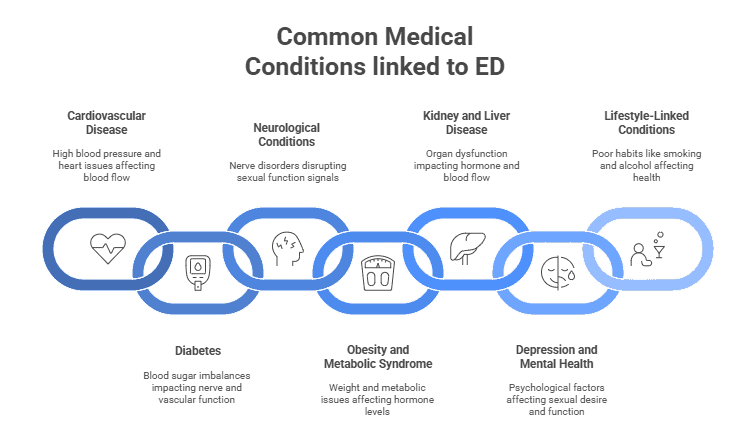
Alt tag: Infographic showing common medical conditions linked to erectile dysfunction including cardiovascular disease, diabetes, obesity, neurological disorders, kidney and liver disease, depression, and lifestyle factors
Cardiovascular Disease and High Blood Pressure
High blood pressure and cardiovascular disease are leading risk factors for ED. Elevated blood pressure strains the heart and damages arteries, reducing blood flow throughout the body. Because erections rely on healthy circulation, any restriction in blood supply can make it difficult to achieve or maintain an erection.
- Reduced Blood Flow: Cardiovascular disease narrows and stiffens arteries, limiting blood flow to the penis. ED may even appear before other heart symptoms, making it an early warning sign.
- Atherosclerosis: The buildup of fatty plaques in arteries reduces circulation and increases the risk of both ED and serious cardiac events.
- Blood Pressure Management: Controlling blood pressure through lifestyle changes and medication helps protect vascular health and can improve erectile function.
Diabetes
Diabetes significantly raises the risk of erectile dysfunction. High blood sugar damages blood vessels and nerves, both critical for normal erectile function.
- Blood Sugar Effects: Poorly controlled diabetes accelerates damage to circulation and nerve pathways.
- Neuropathy and Circulation: Diabetic nerve damage disrupts signals between the brain and penis, while poor blood flow further complicates erections.
- Higher Risk: Men with diabetes are two to three times more likely to experience ED than those without. Early management of blood sugar is key.
Hormonal Disorders
Hormonal imbalances can disrupt sexual health. Low testosterone (hypogonadism) is one of the most common causes, reducing both libido and erectile function.
- Low Testosterone: Leads to fatigue, low libido, reduced muscle mass, and ED. Hormone replacement therapy may be appropriate in some cases.
- Thyroid Disorders: Both overactive and underactive thyroid conditions affect mood, energy, and hormone balance, contributing to ED.
- Other Endocrine Issues: High prolactin and adrenal disorders can interfere with sexual function and hormone regulation.
Neurological Conditions
The brain, spinal cord, and nerves all play a role in sexual function. Conditions that disrupt these pathways can cause ED.
- Multiple Sclerosis: Damages nerve signals required for erections.
- Parkinson’s Disease: Affects both the nervous system and psychological wellbeing, commonly leading to ED.
- Spinal Cord Injuries: Interrupt communication between the brain and genital nerves, often resulting in erectile difficulties.
Obesity and Metabolic Syndrome
Excess weight and metabolic syndrome are strongly linked to erectile dysfunction.
- Obesity: Increases the risk of poor circulation and hormonal imbalance, including reduced testosterone.
- Metabolic Syndrome: A cluster of high blood pressure, elevated blood sugar, and abnormal cholesterol that raises the risk of cardiovascular disease and ED. Managing weight and lifestyle factors improves both health and erectile function.
Kidney and Liver Disease
Chronic kidney or liver disease can interfere with hormone production, circulation, and energy balance.
- Hormonal and Circulation Effects: These conditions often lead to fatigue and sexual dysfunction, including ED.
- Medication Side Effects: Treatments for kidney and liver disease can sometimes worsen ED, requiring careful management by healthcare providers.
Depression and Mental Health Conditions
Mental health has a direct impact on sexual health.
- Depression and Anxiety: Lower libido and affect performance. Psychological stress often worsens physical causes of ED.
- Medication Effects: Some antidepressants and psychiatric medications contribute to erectile difficulties. Adjustments under medical supervision can help.
Lifestyle-Linked Conditions
Daily habits significantly affect erectile function.
- Alcohol, Smoking and Recreational Drugs: Damage blood vessels and nerves, increasing the likelihood of ED.
- Sleep Apnoea: Linked to reduced testosterone and cardiovascular strain, both of which contribute to erectile dysfunction. Treating sleep apnoea can improve sexual health.
Addressing the Underlying Causes
Erectile dysfunction is often a symptom of broader health concerns. Treating the root medical condition can improve both general wellbeing and sexual performance. Advanced therapies, such as ED shockwave treatment, may further enhance results by improving blood flow and repairing tissue.
If you are experiencing erectile difficulties, contact our specialists at The Forbury Clinic for a personalised diagnosis and tailored treatment plan.