Tympanometry Test
A tympanometry test is a quick and painless assessment of how well your middle ear and eardrum are working. It is often carried out alongside a hearing test to help diagnose causes of hearing loss or ear discomfort.
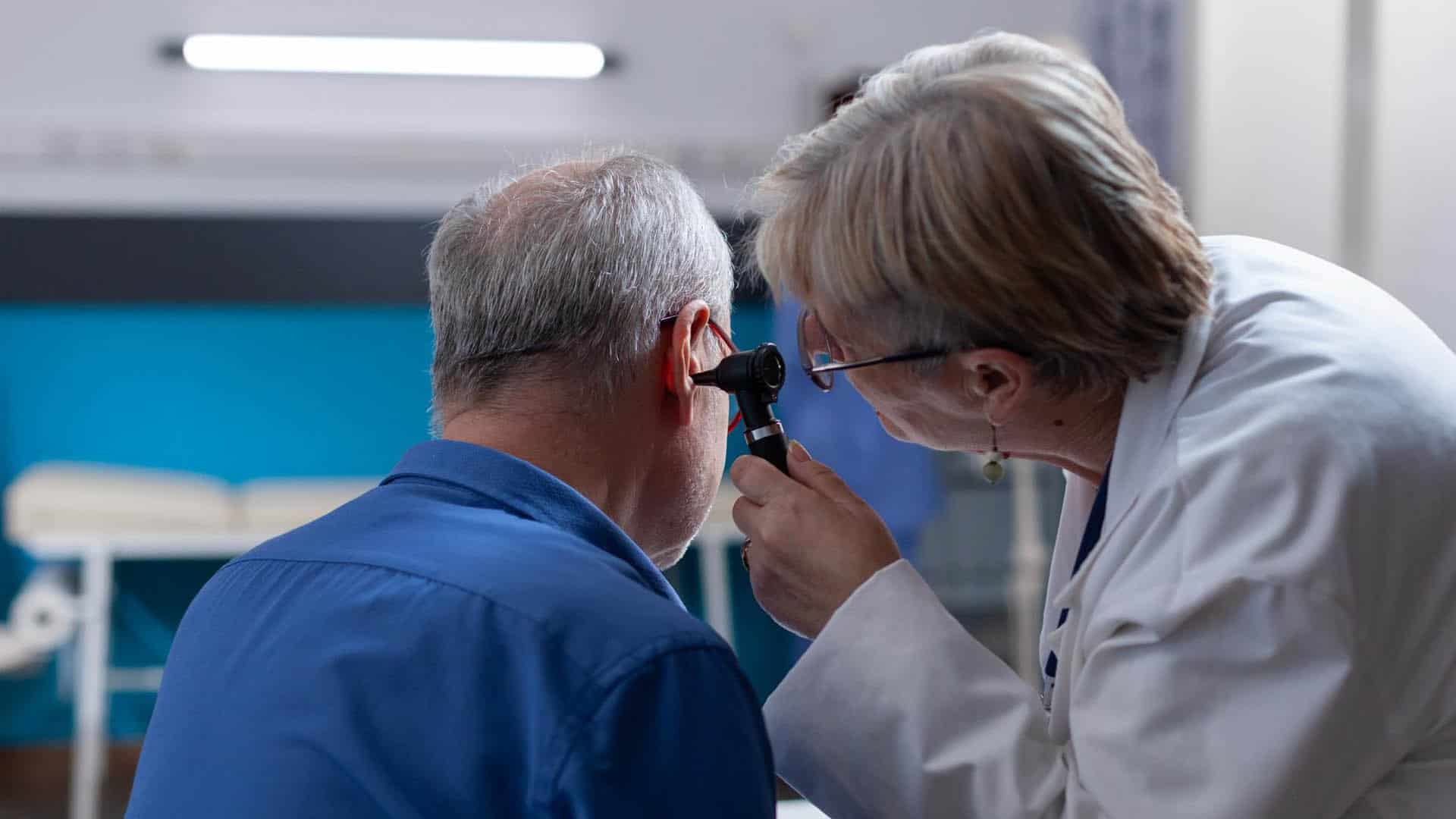
What is a tympanometry test?
Tympanometry is a simple diagnostic test that measures how your eardrum responds to slight changes in air pressure. During the test, a small probe is placed in your ear canal to gently alter the air pressure and play a series of tones. A graph, called a tympanogram, is produced to show how well the eardrum moves in response. This helps identify problems affecting the middle ear, such as fluid, infection or issues with the eustachian tube.
What does a tympanometry test diagnose?
This test is often used to detect conditions that affect how the eardrum and middle ear structures move. It can help diagnose middle ear infections (otitis media), fluid behind the eardrum (a common cause of hearing problems in children), eardrum perforations or dysfunction of the eustachian tube that links the middle ear to the back of the nose. It can also be useful for monitoring recovery after ear surgery or chronic ear conditions.
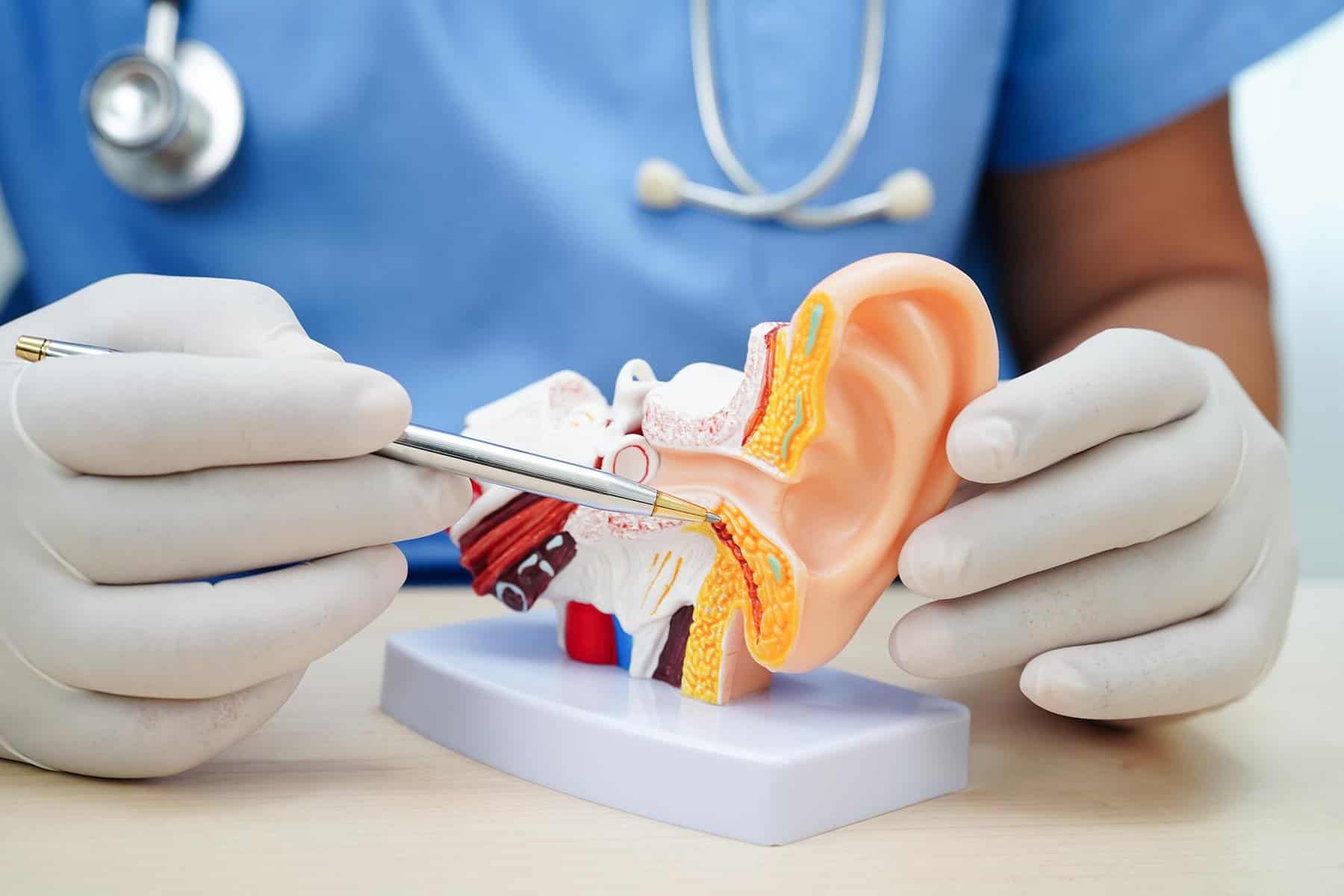

How should I prepare for a tympanometry test?
No special preparation is required. It is important that your ears are clear of wax, as a blockage can affect the accuracy of results. If you have recently experienced an ear infection, heavy congestion or pain, you should let your audiologist know before your appointment. Apart from keeping still and quiet during the brief test, there is nothing else you need to do in advance.
What do the results of a tympanometry test mean?
The tympanogram produced from the test shows how the eardrum moves in response to pressure. Normal middle ear function produces a peak on the graph. A flat or unusual pattern may suggest fluid in the middle ear, negative pressure from eustachian tube problems, or a perforated eardrum. Your audiologist will explain the results clearly, discuss any findings in plain language and, if needed, arrange further hearing assessments or an ENT referral.
Does a tympanometry test hurt?
No. Tympanometry is a completely safe and painless test. You may notice a feeling of gentle pressure or fullness in the ear for a few seconds, similar to changes in altitude during a flight. This passes once the test ends.

Tympanometry test FAQs
- How long does a tympanometry test take?
The test itself usually takes only a few minutes. Including preparation and review of results, the appointment is typically less than 15 minutes.
- Can tympanometry be done on children?
Yes. Tympanometry is commonly used in children, particularly for identifying middle ear fluid or glue ear. The test is quick, safe and does not require the child to respond to sounds, making it suitable for young patients.
- Do hearing aids need to be removed before the test?
Yes. Hearing aids, earmoulds or anything that seals the ear canal should be removed before the test. Your audiologist will check that your ear is clear before placing the probe.

Why Choose The Forbury Clinic?
Every tympanometry test at The Forbury Clinic is carried out by an experienced audiologist that focuses on accuracy, comfort and clear communication. Our clinicians combine advanced diagnostic technology with compassionate care to ensure you understand your results and any next steps. Whether you have symptoms such as ear fullness, hearing changes or ongoing infections, our audiology team provides clear guidance and continuity of care in one calm, professional setting.